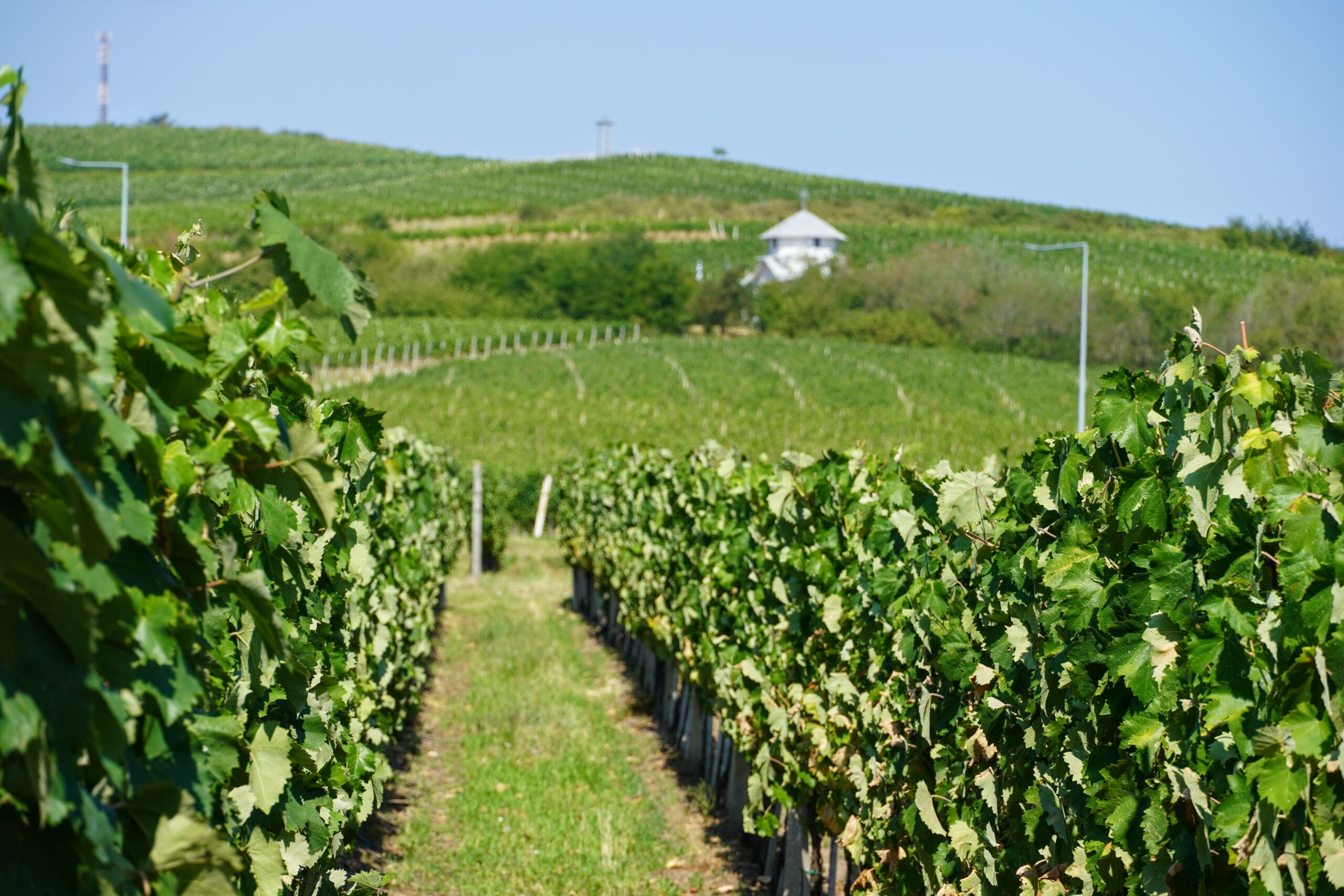
The tradition of winemaking is closely tied to the Drăgășani region, where the first mentions of vine cultivation date back to the Dacians who inhabited this area, then known as Rusidava.
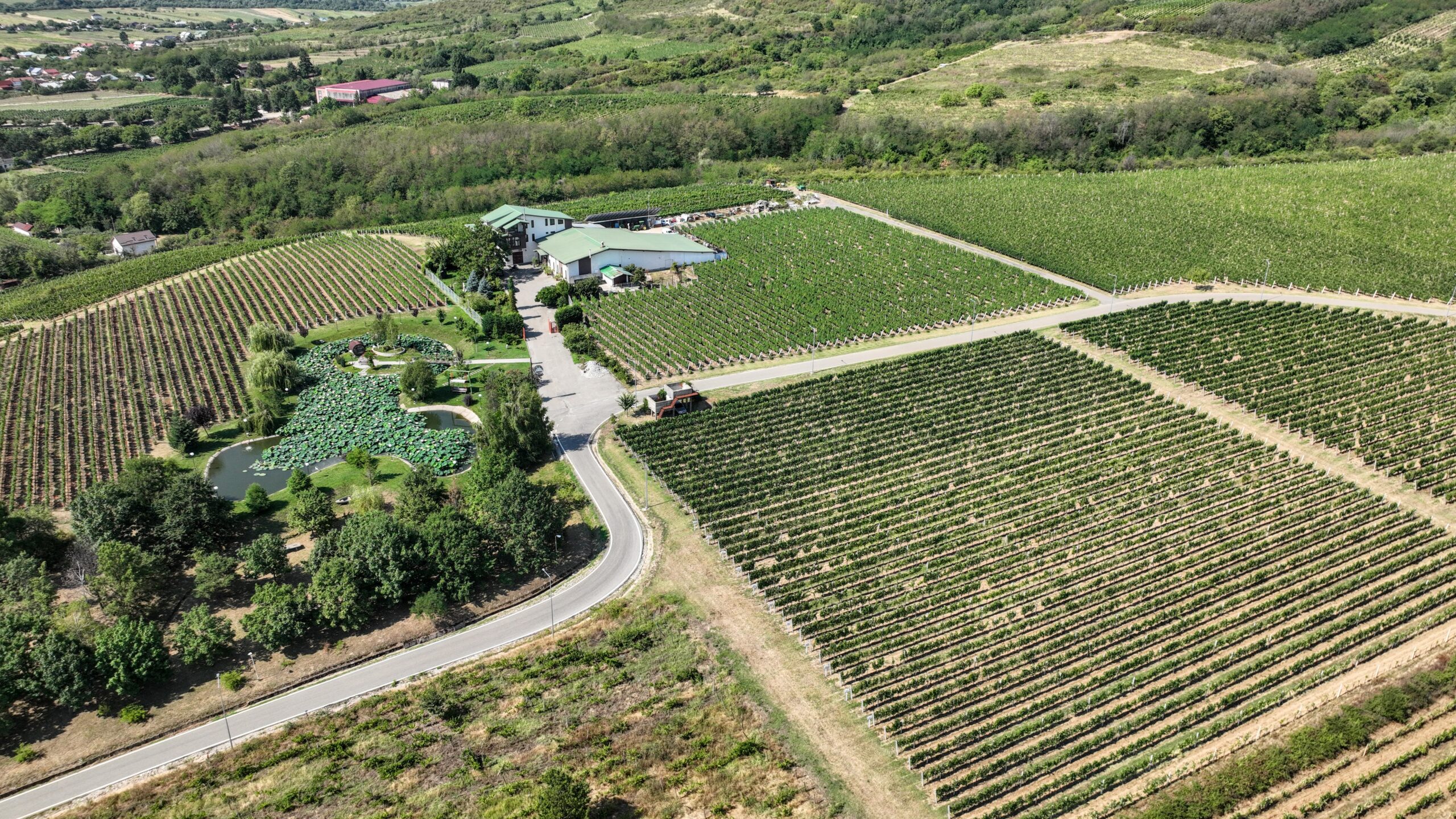
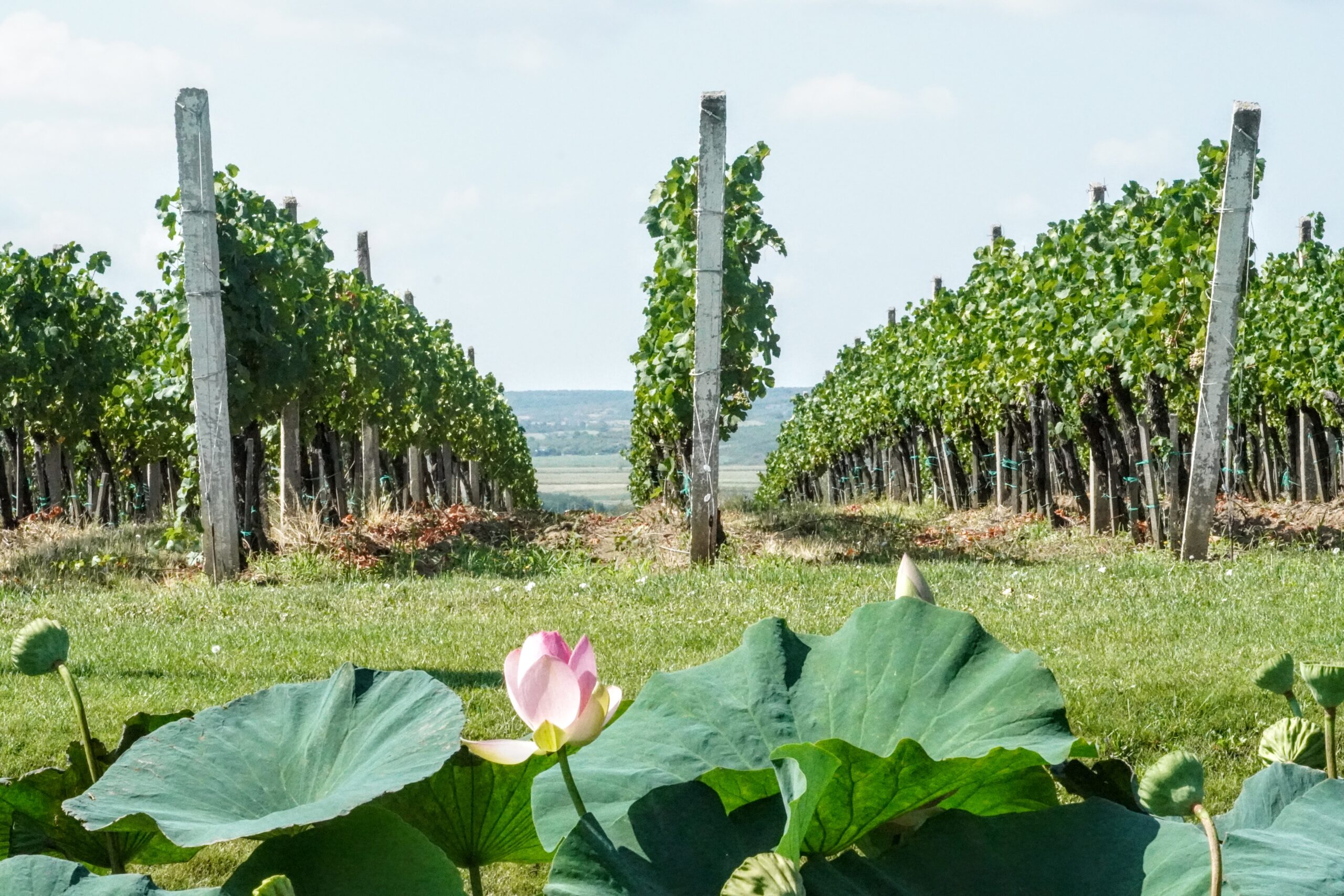
Located on the banks of the Olt River, the Drăgășani Vineyard is the heart of viticulture in Vâlcea County, one of the oldest and most renowned in Romania. It has a rich tradition of producing red, white, and rosé wines, recognized both nationally and internationally for their quality. Among these are Crâmpoșia, appreciated for its freshness and fruity notes, and Negru de Drăgășani, a deep red wine with violet hues and a strong aroma.
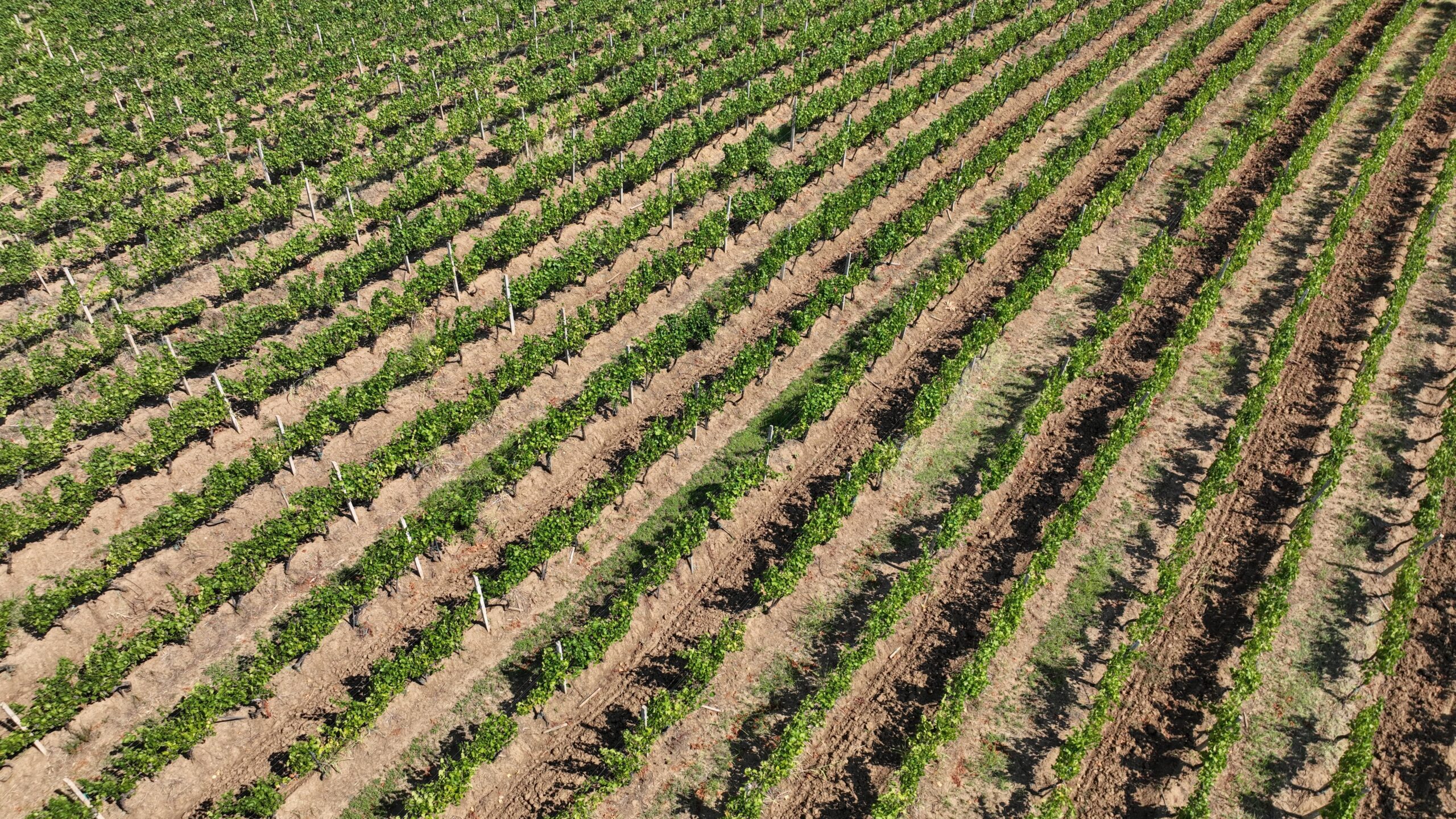
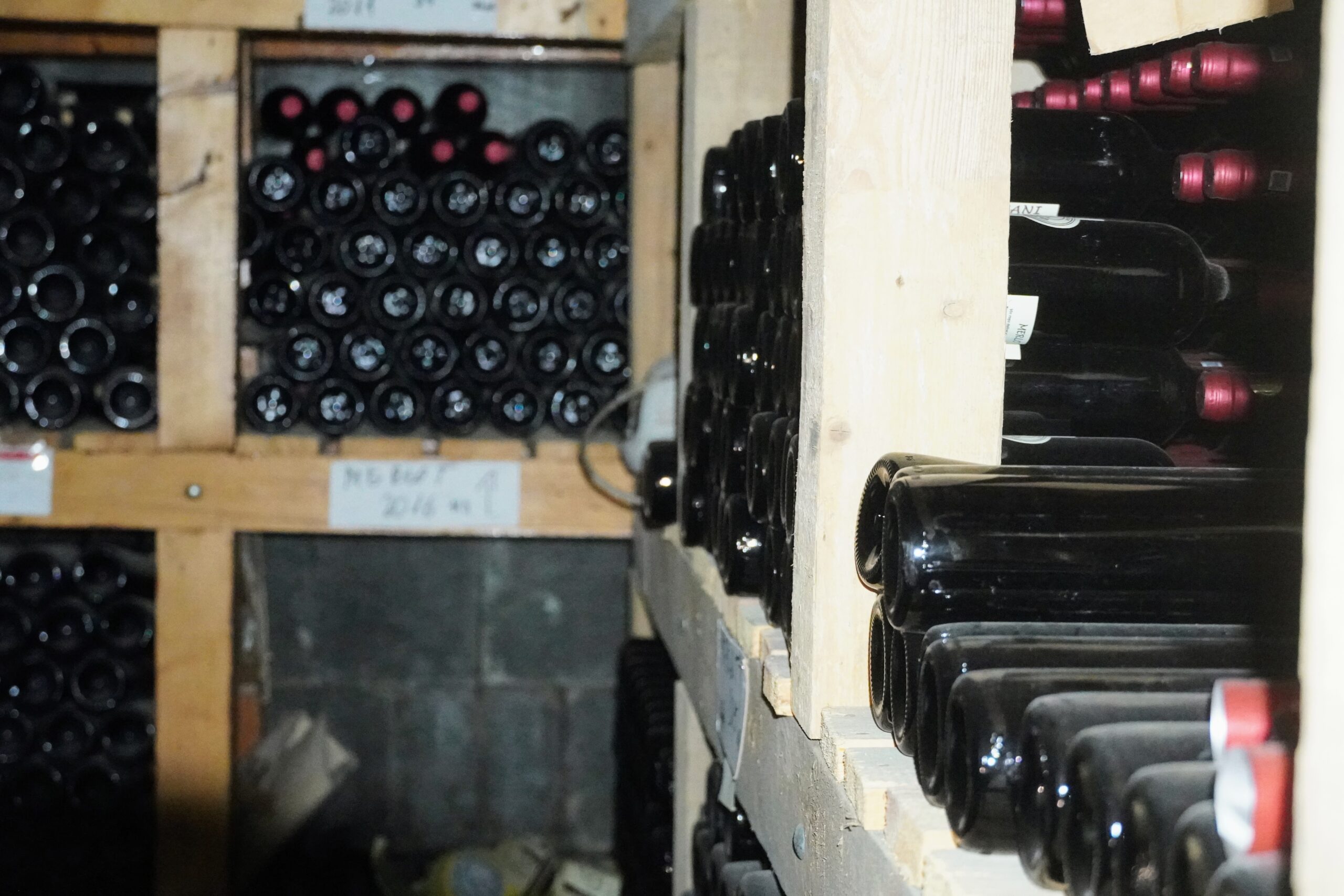
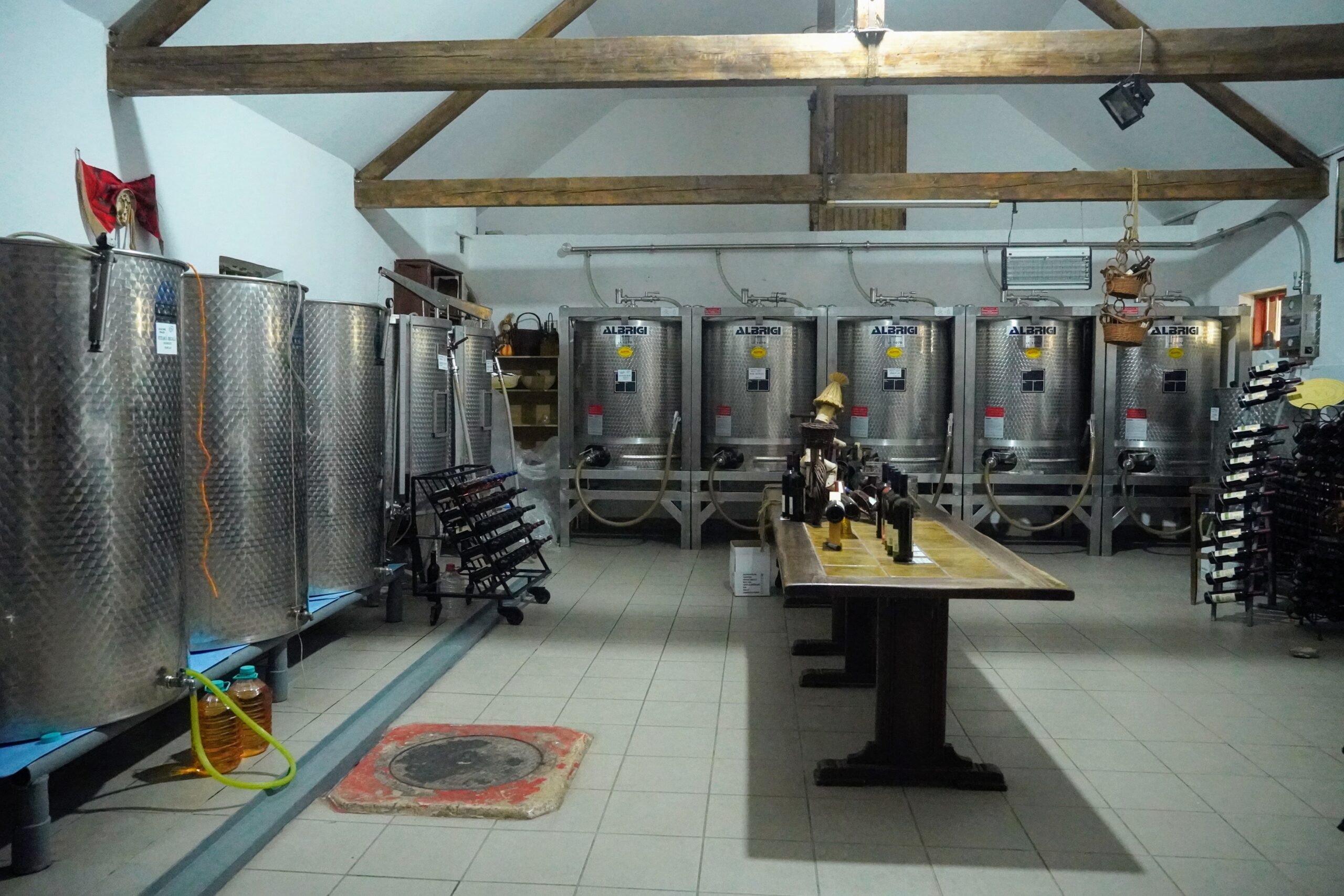
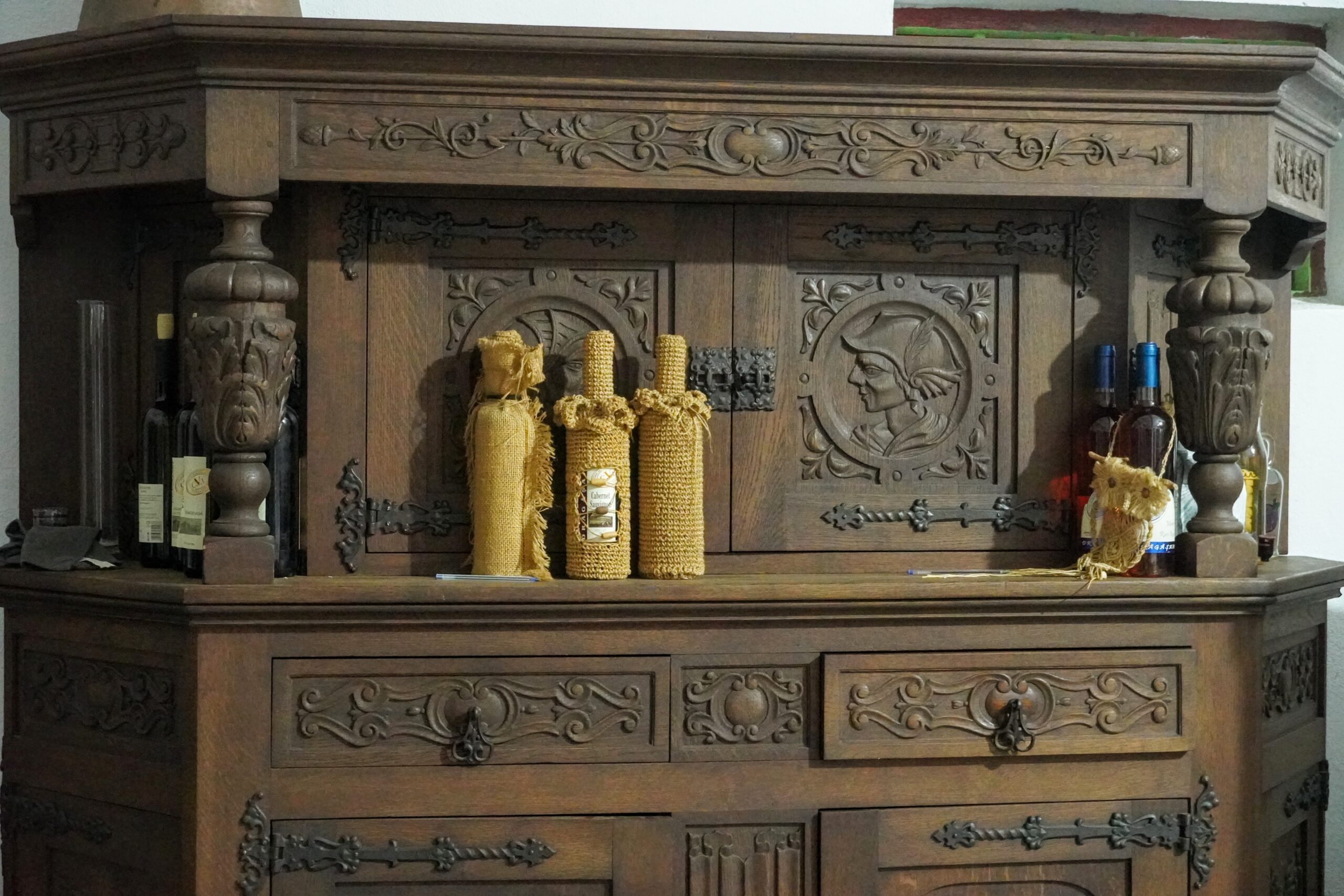
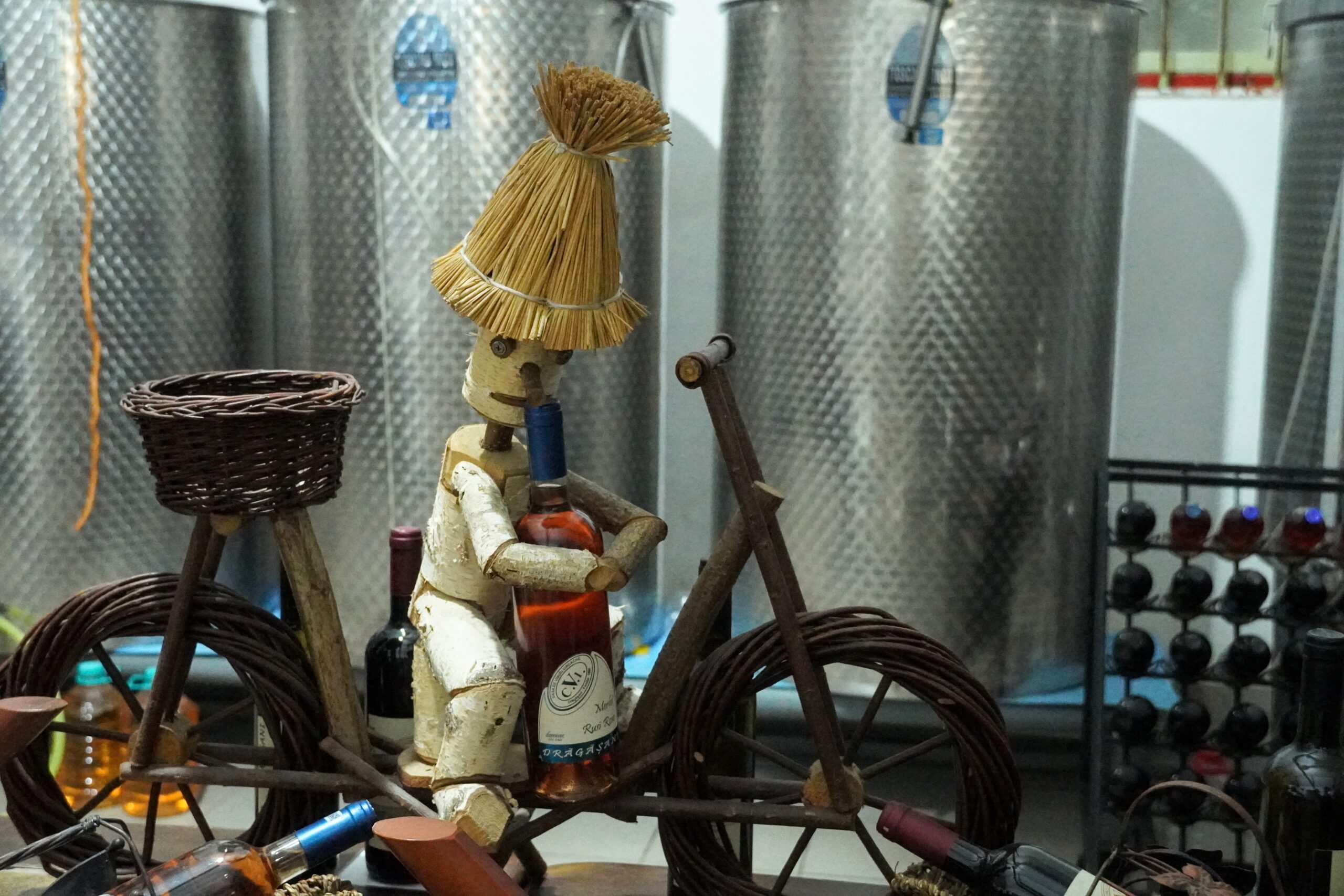
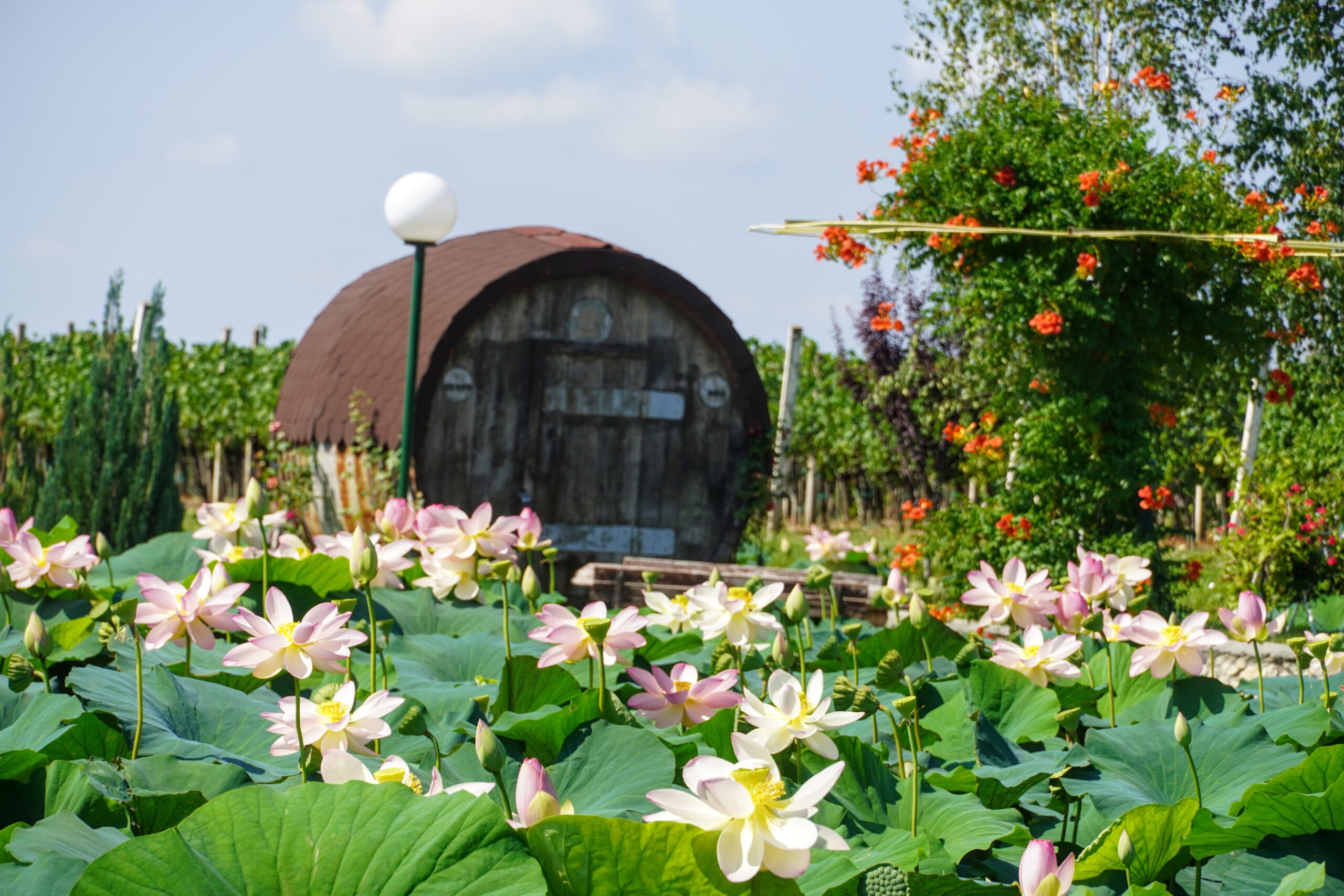
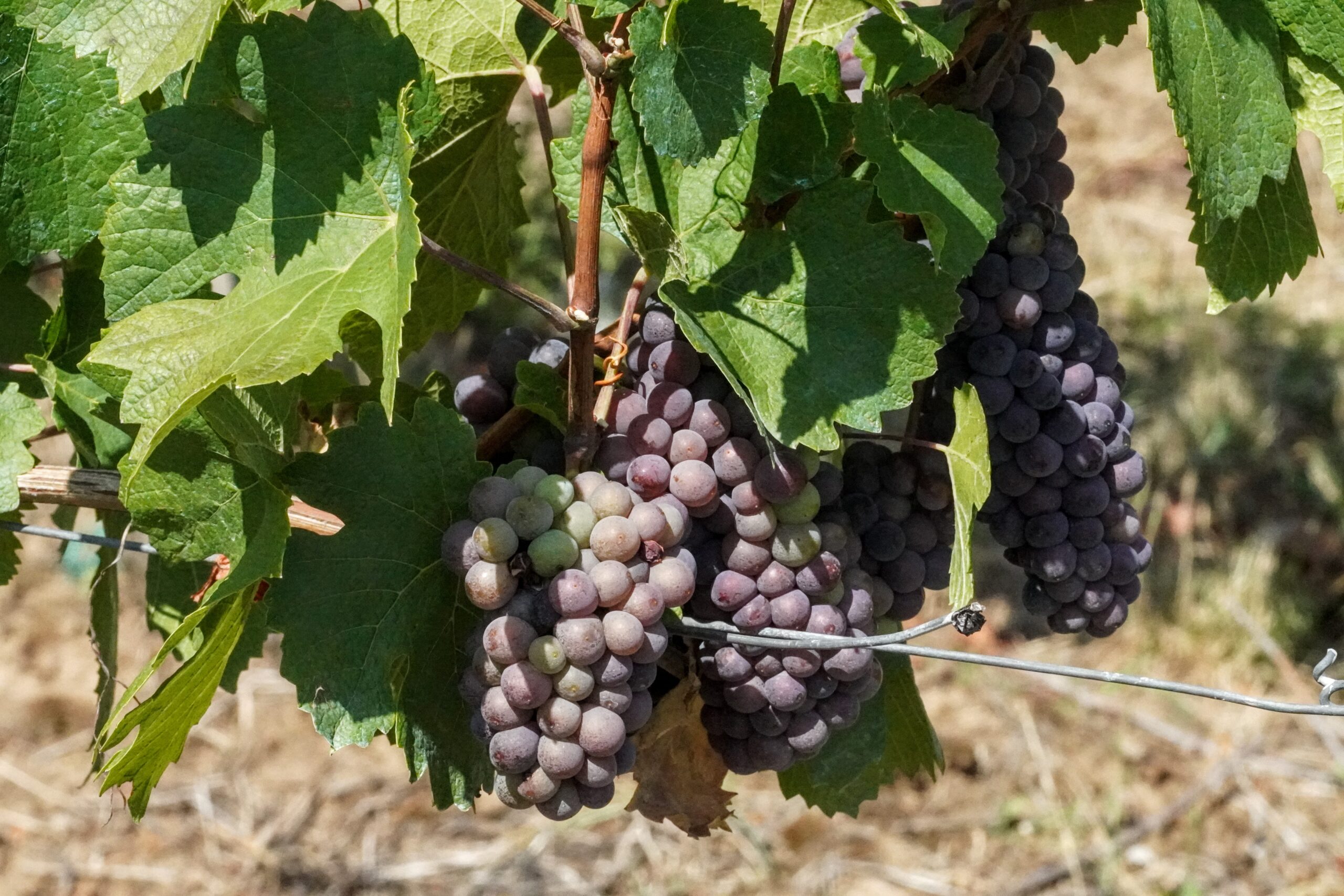
These and many other varieties can be sampled at the wineries around the town, where visitors can also learn more about the stages involved in winemaking. This includes pruning the vines, tying them to wires, and analyzing the grape berries (sugar, acidity, pH) before harvesting. The process continues with harvesting, pressing to extract the must, followed by several steps like fermentation, tartaric stabilization, sterile filtration, and finally, bottling.
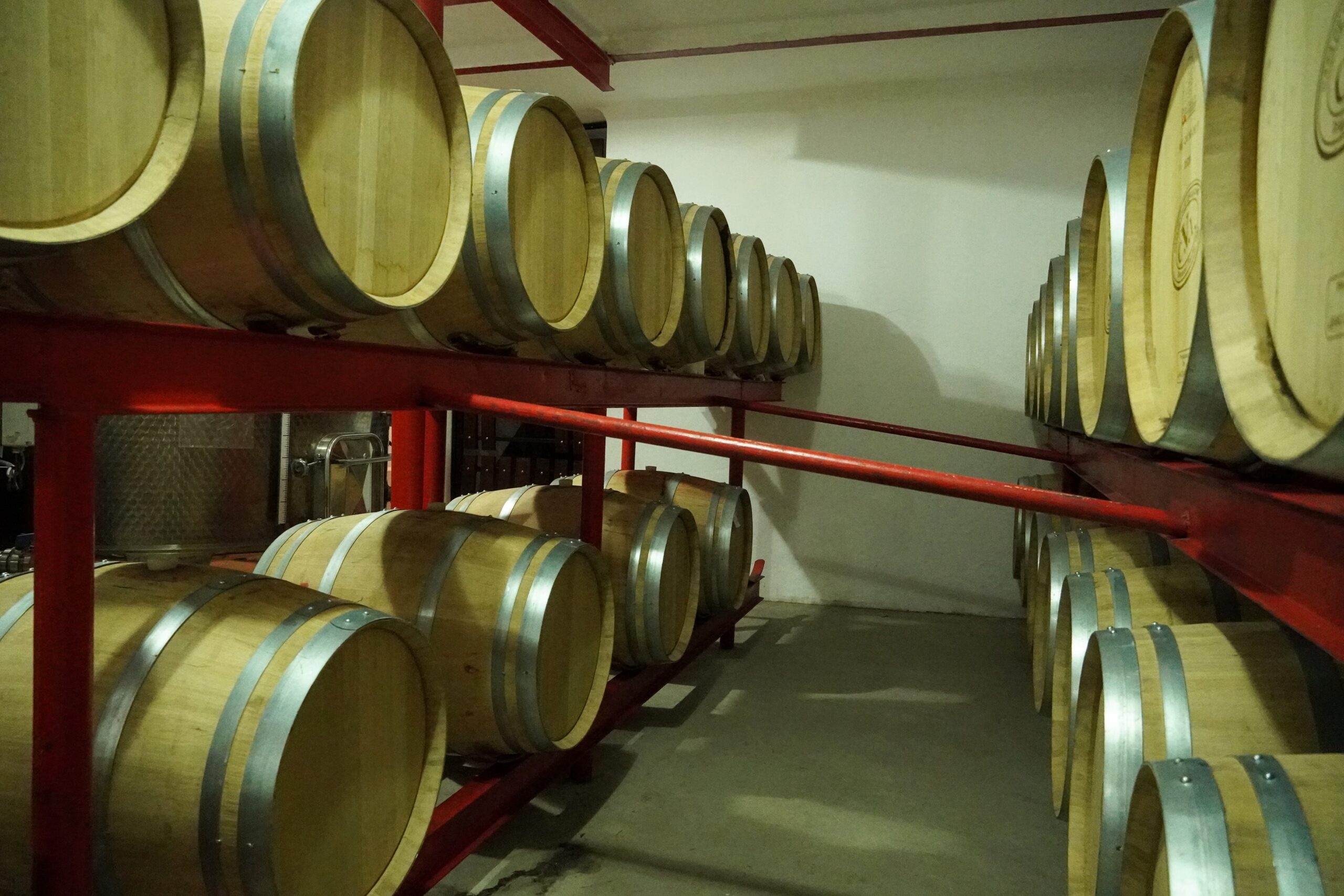
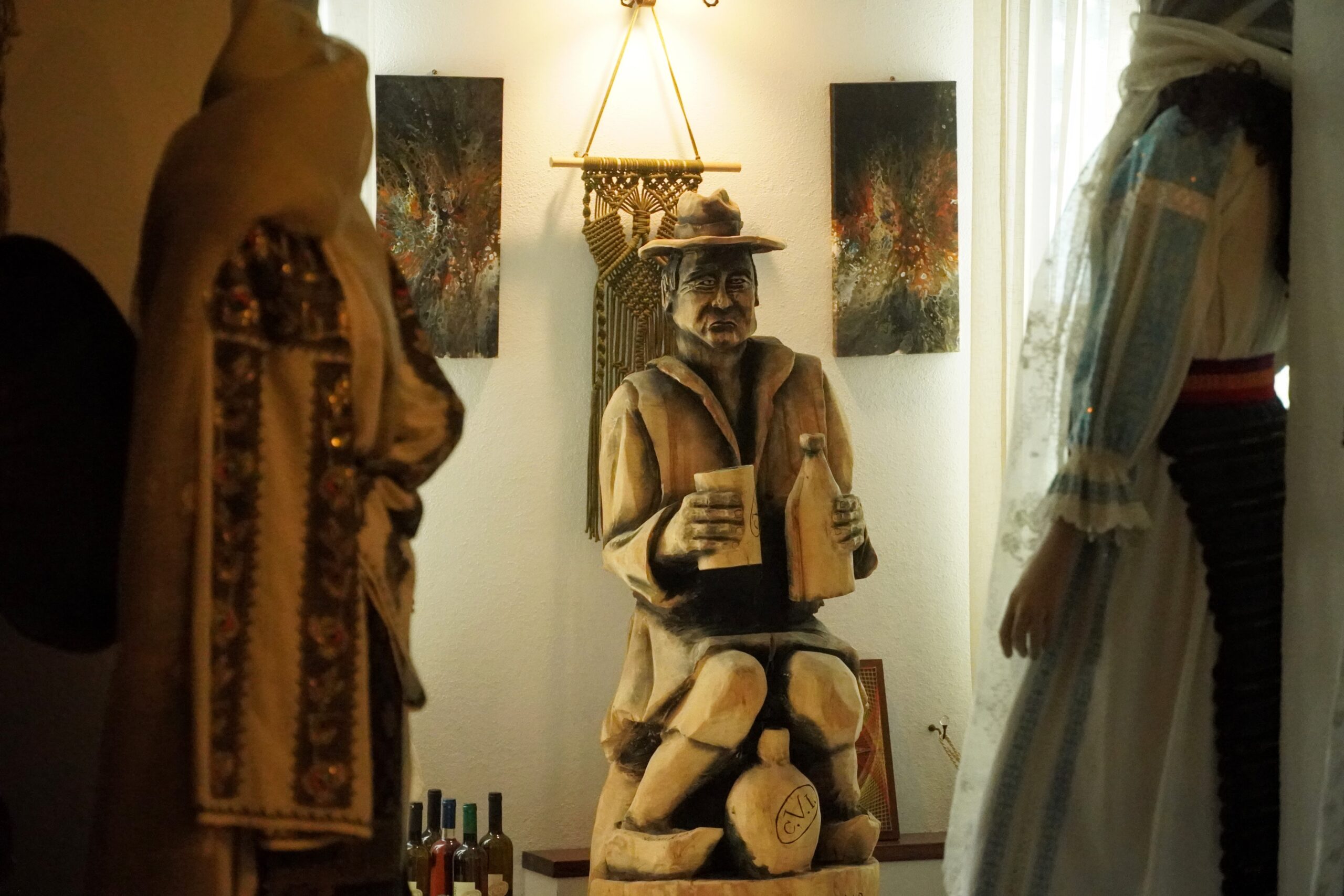
In addition to modern winemaking techniques seen at the wineries, tourists can explore traditional tools once used in winemaking at the local Museum of Vine and Wine. These include presses, crushers, and wooden-hooped barrels. Moreover, the winemaking tradition is celebrated annually in Drăgășani during the "Culesul Viilor" festival (The Grape Harvest), which not only marks the harvest season but also highlights local customs and passes on the deep connection with the land and viticulture.
A project financed with the support of the General Secretariat of the Government through SDC.


 English
  Romanian