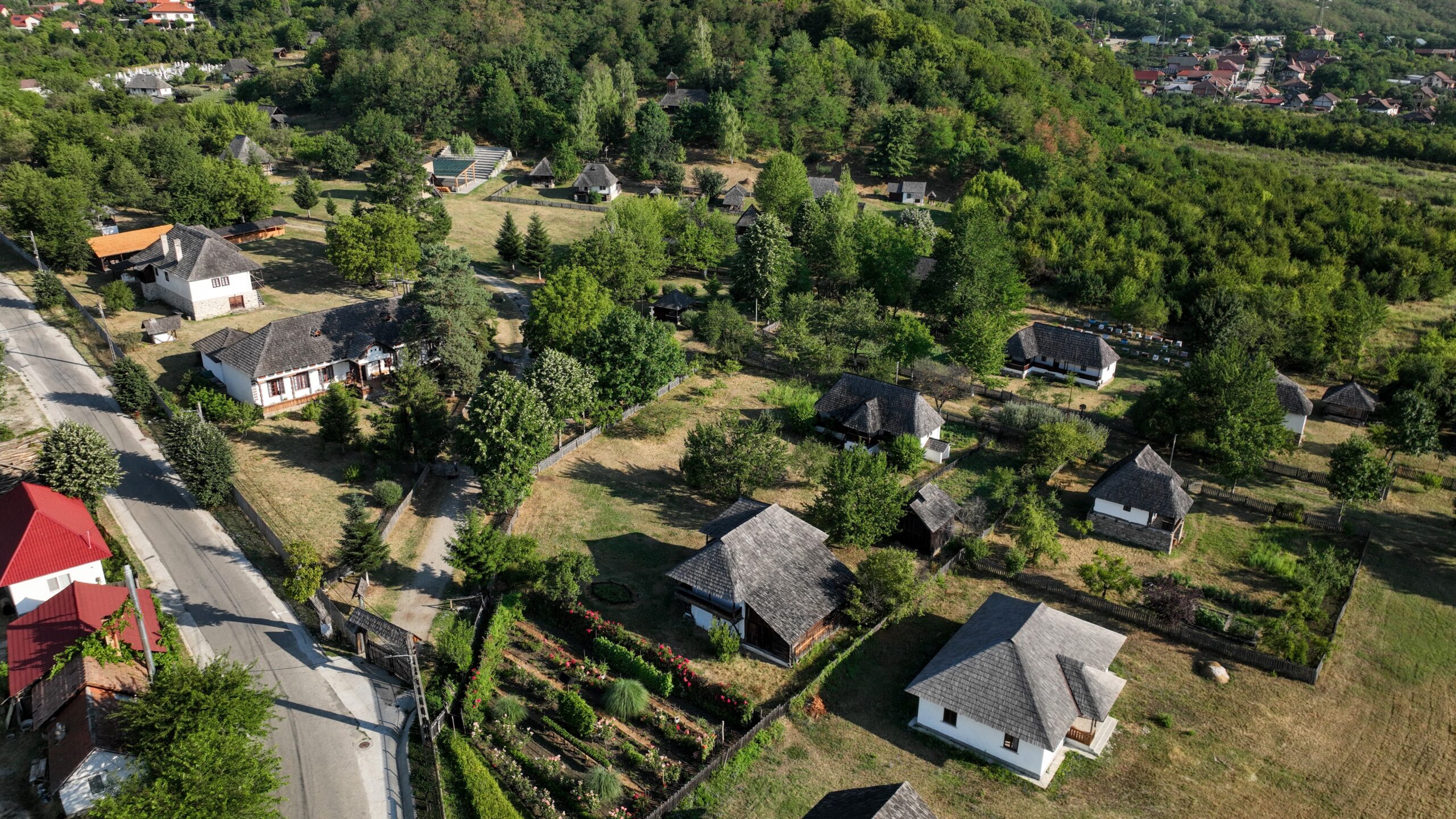
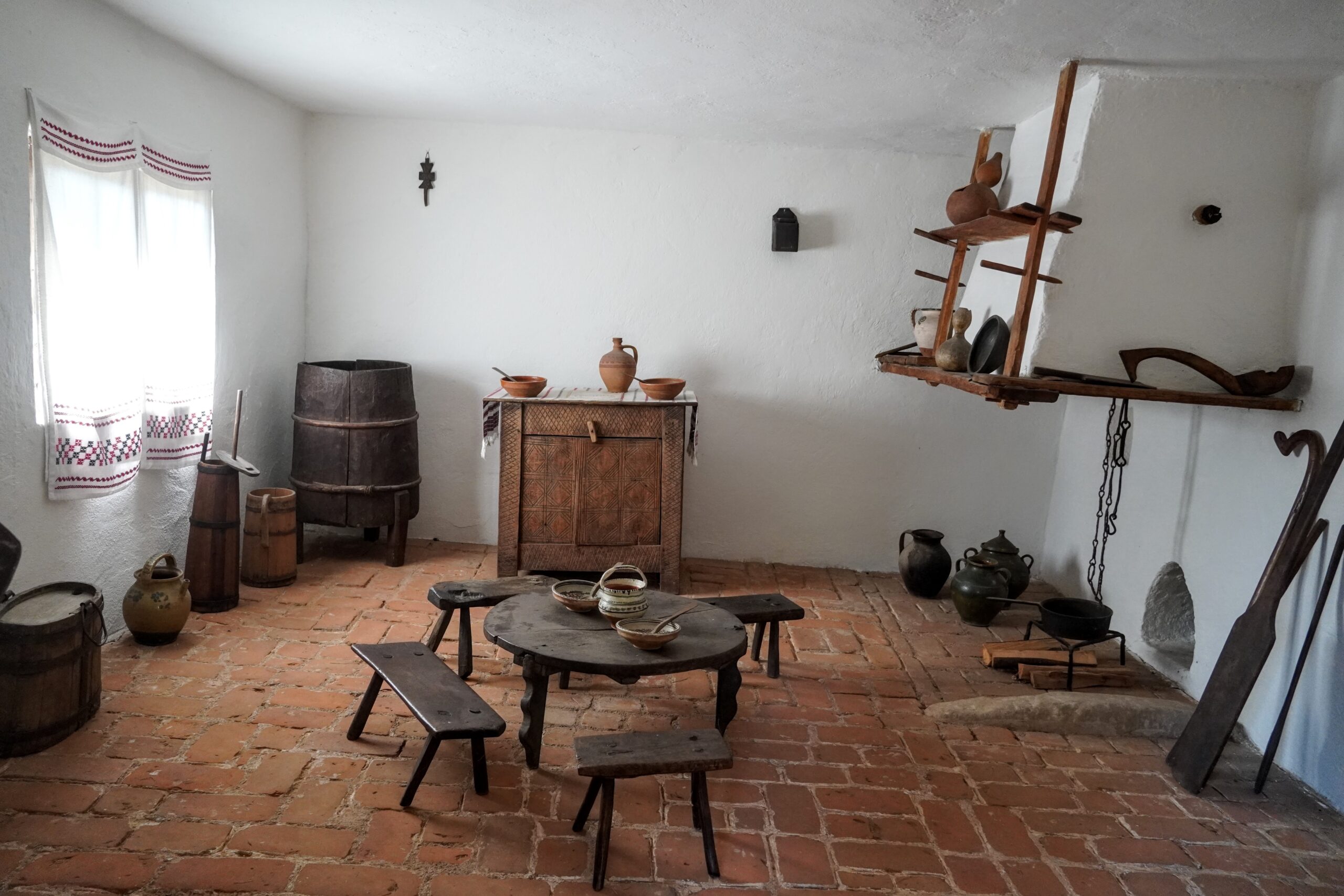
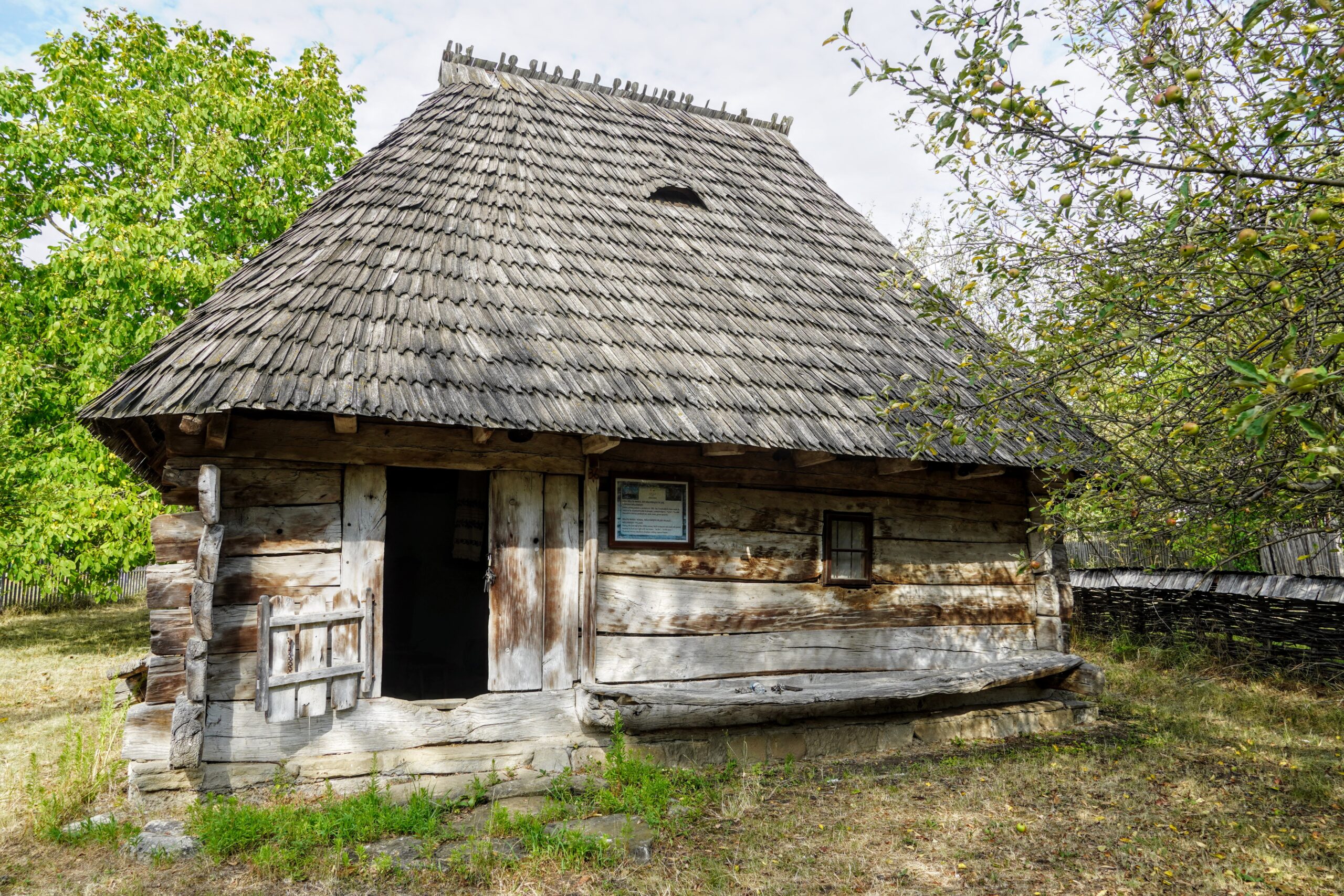
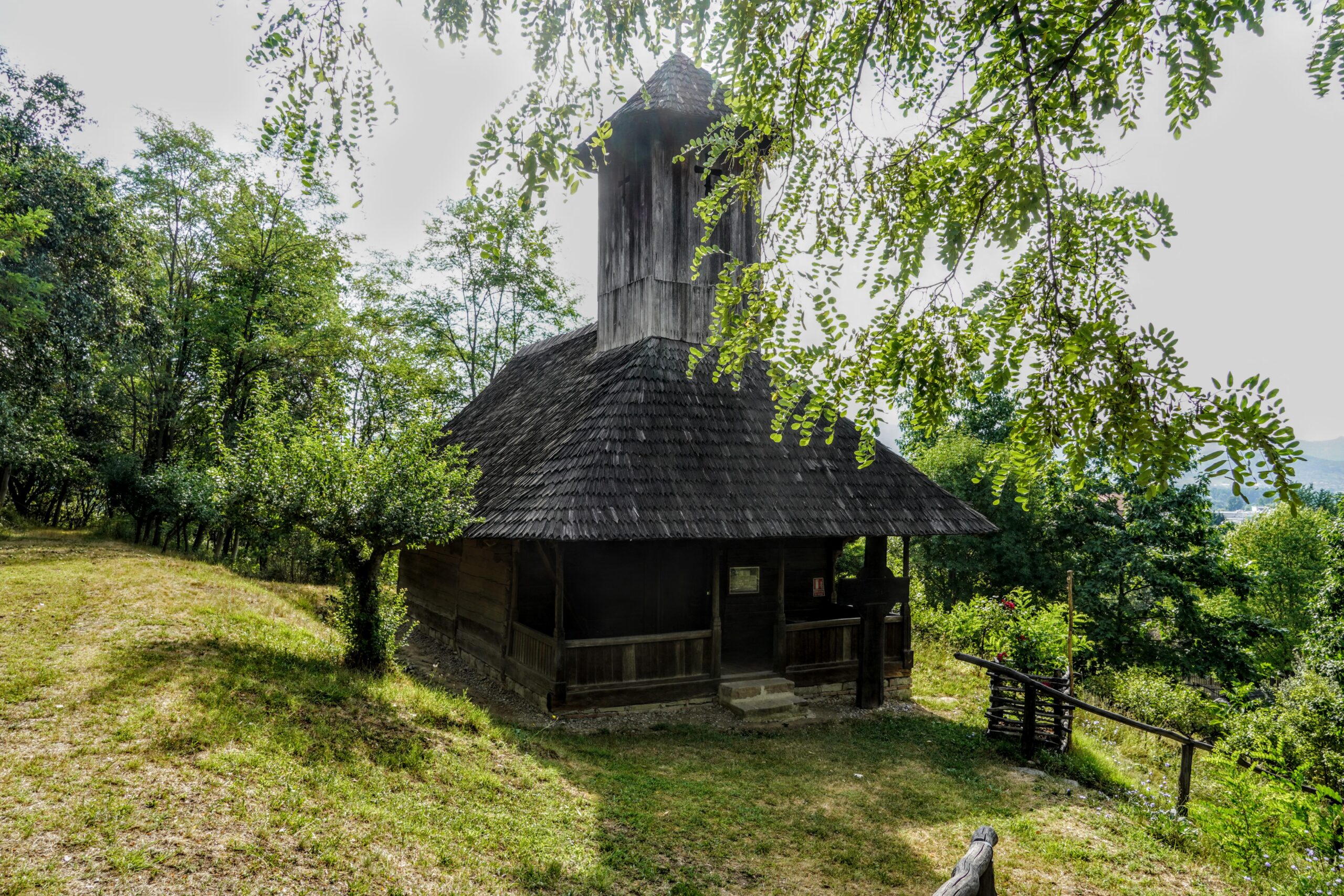
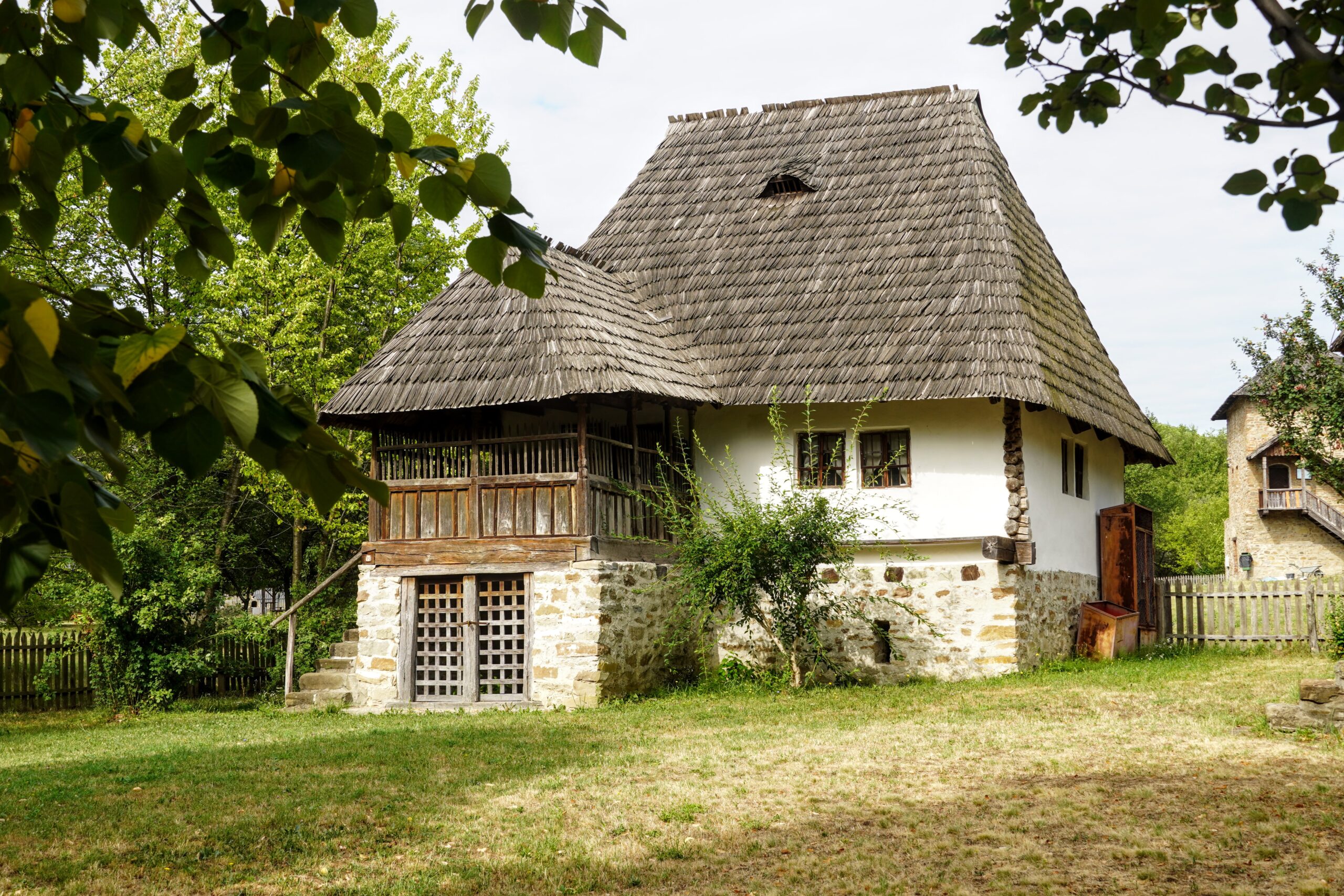
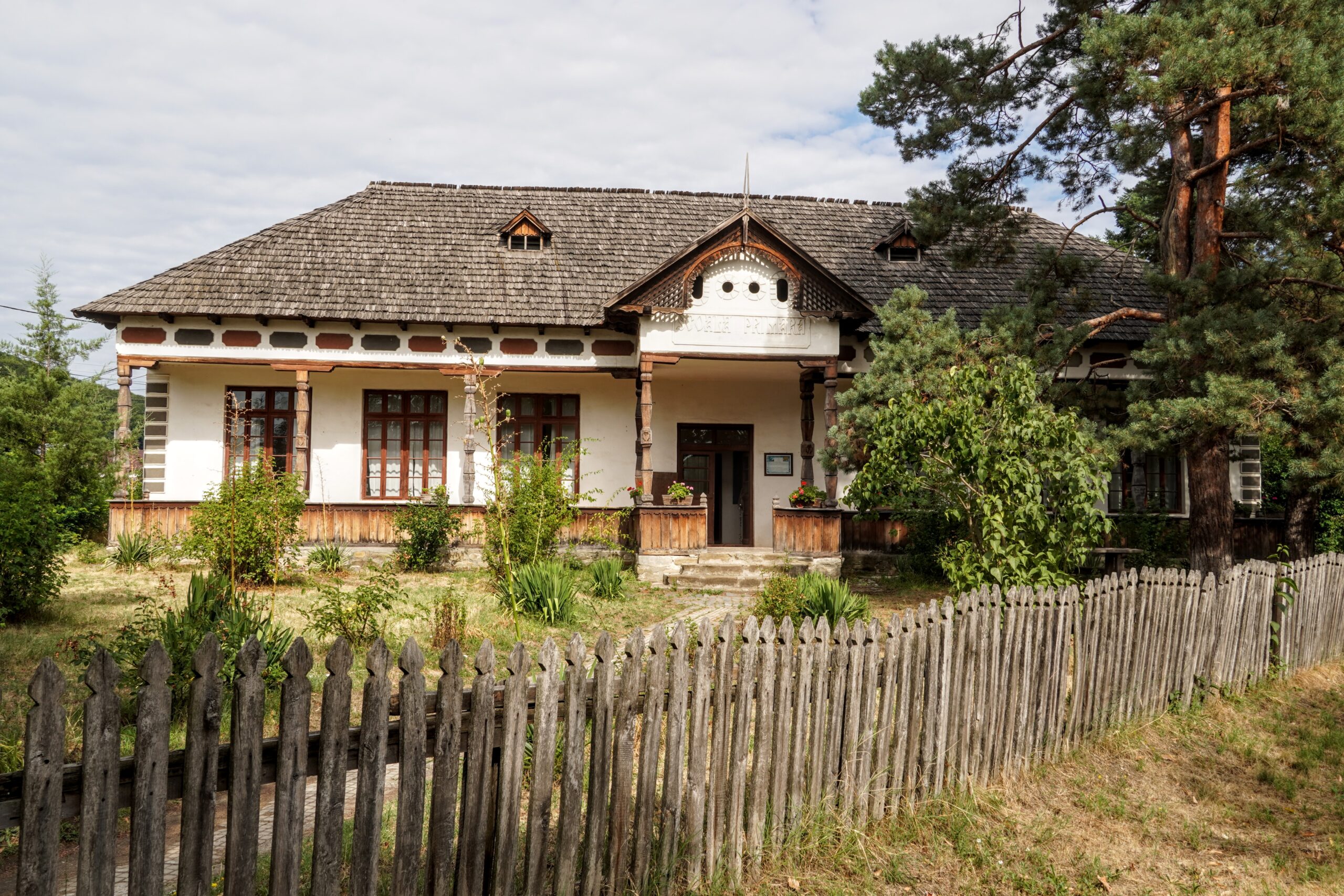
The Vâlcea Village Museum, located in Bujoreni, on the outskirts of Râmnicu Vâlcea, preserves and showcases traditional houses, household annexes, and various heritage items that reflect the culture, customs, and occupations of the people from Vâlcea County and the Oltenia region.
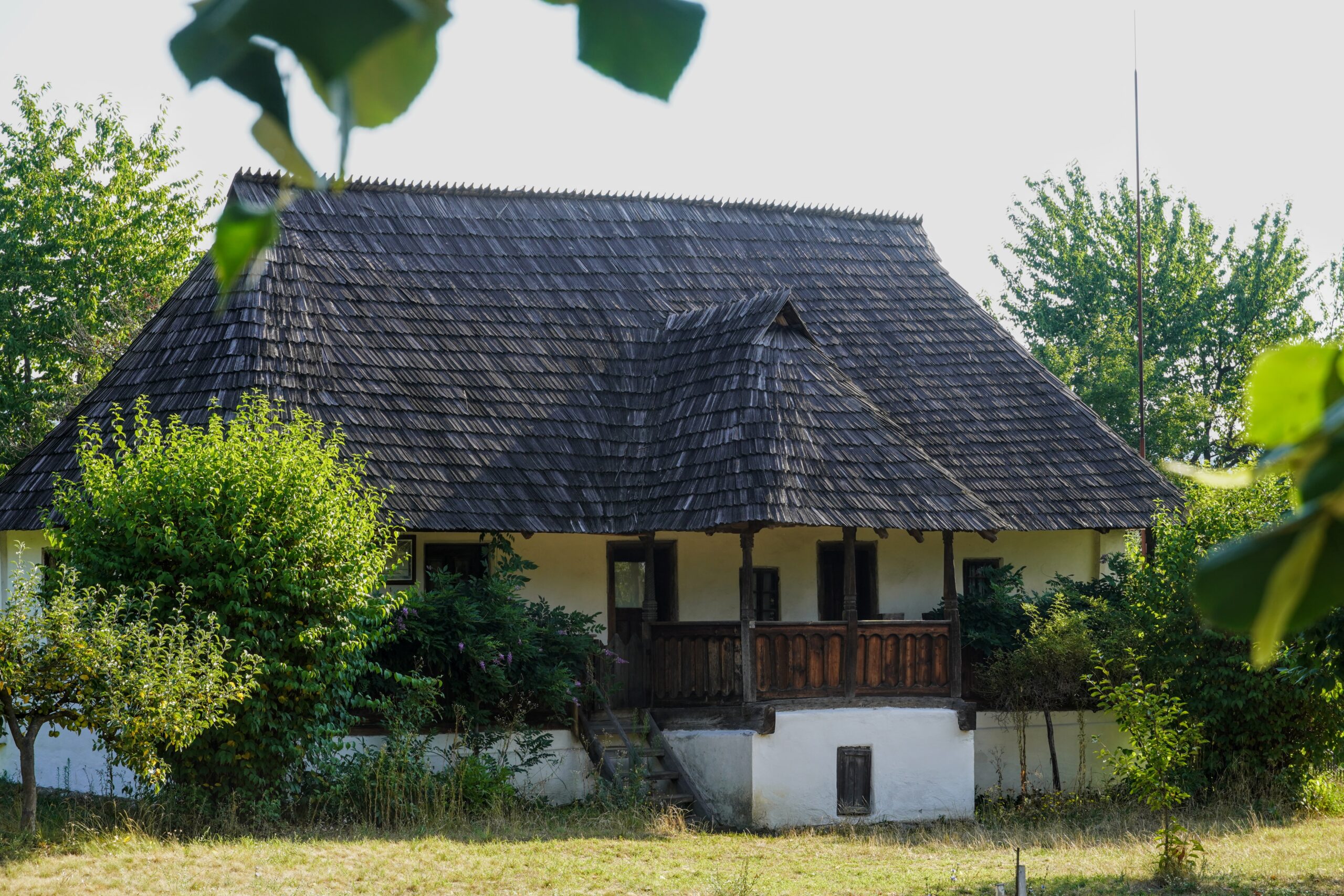
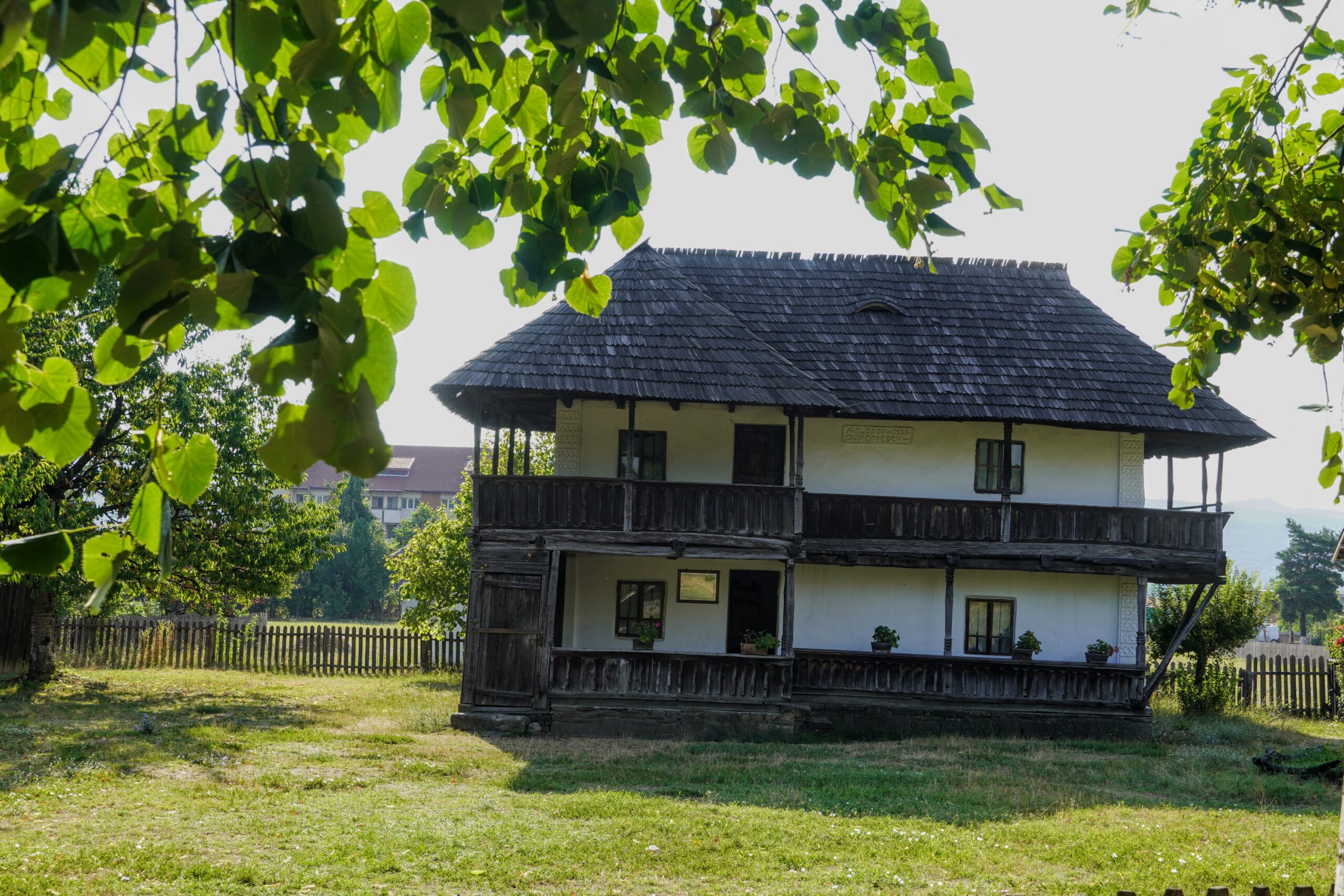
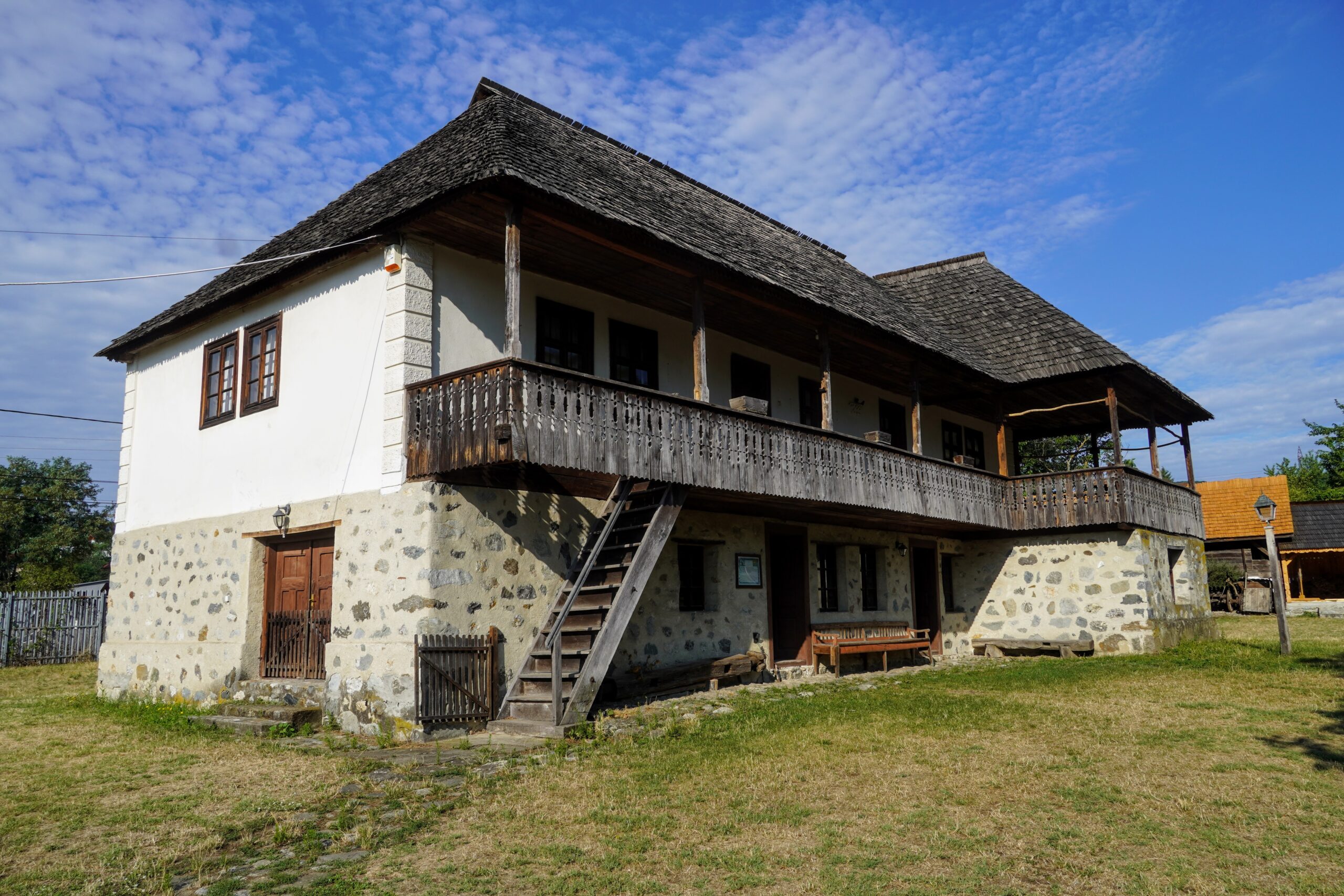
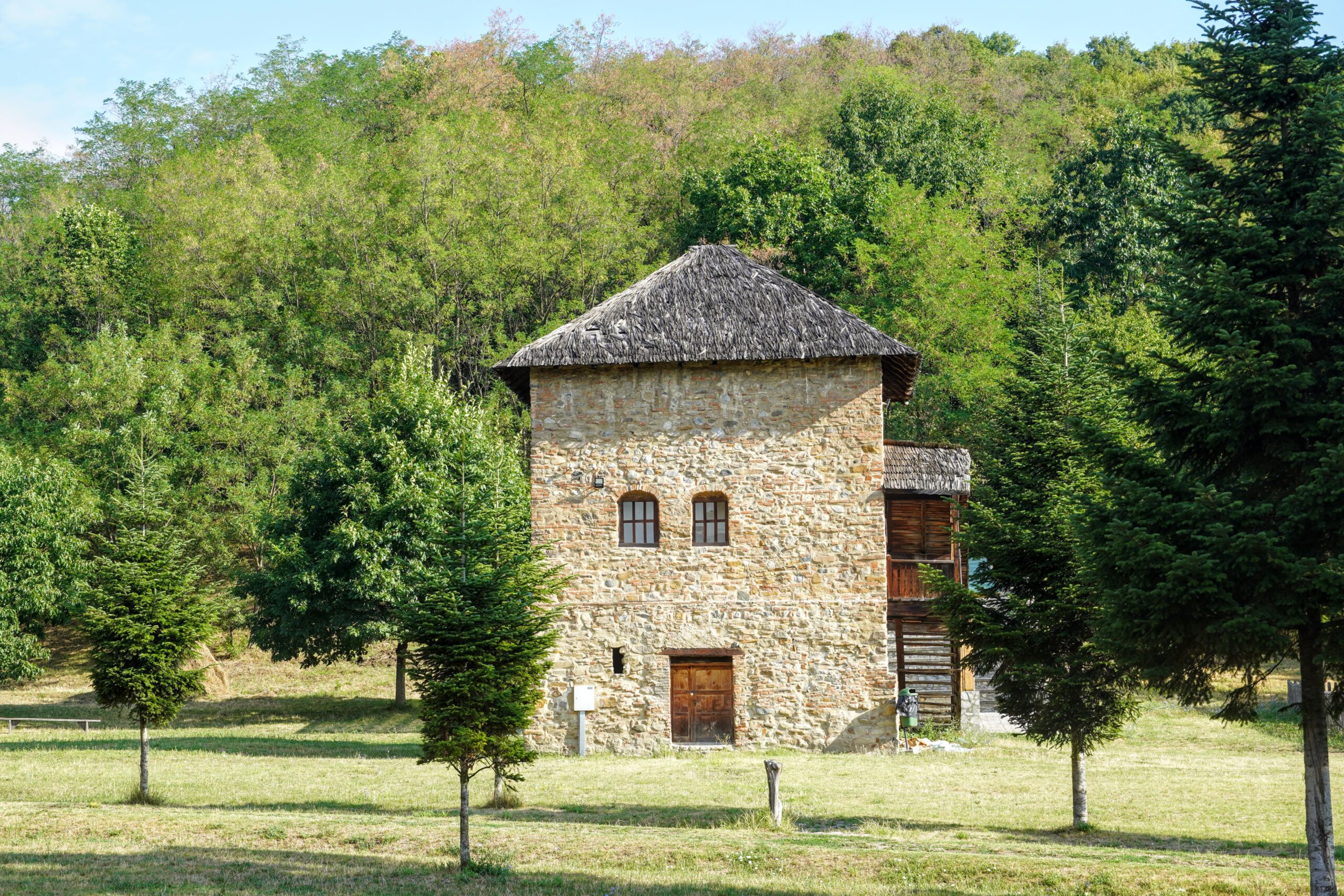
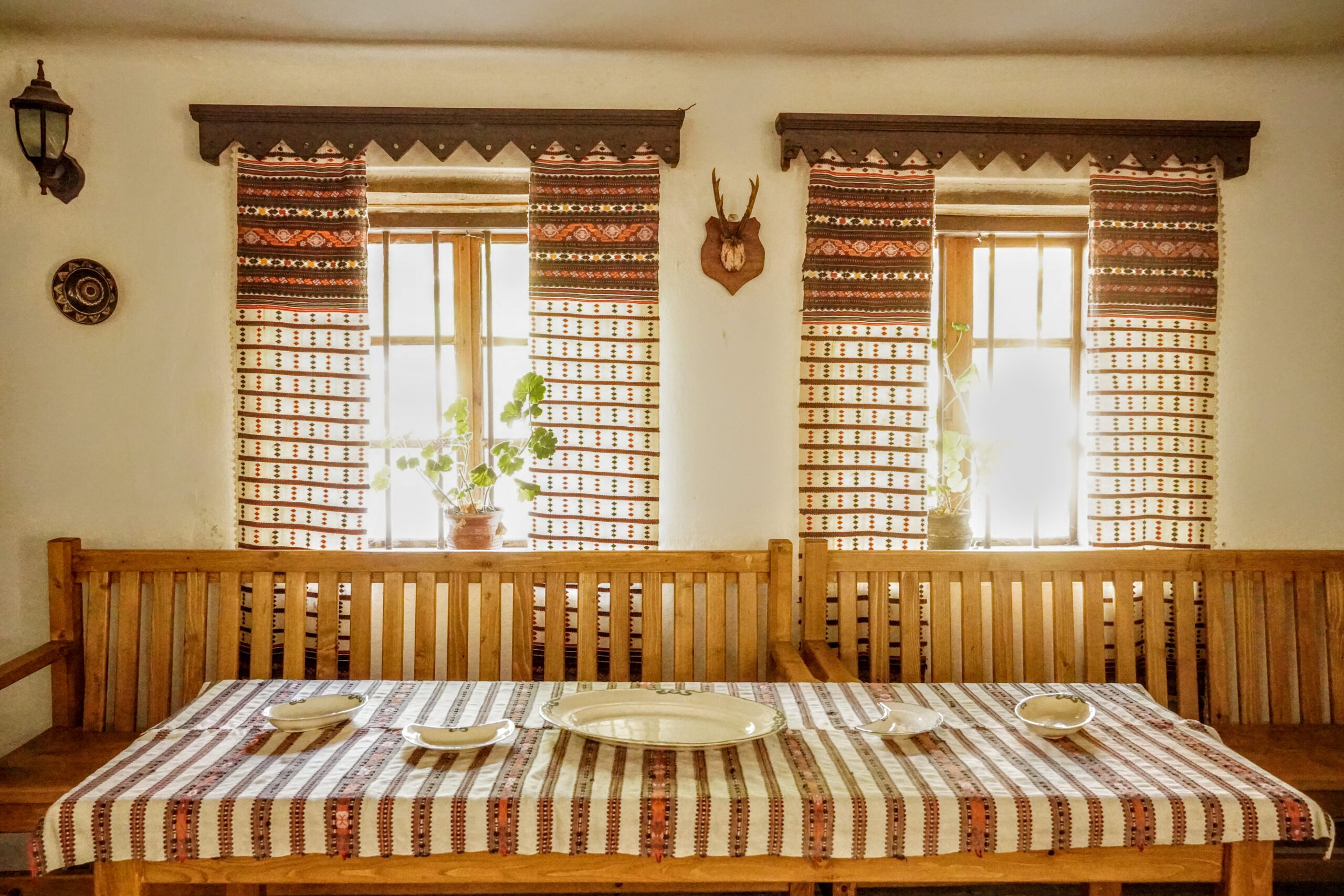
This open-air museum, established in 1974, includes 27 homesteads, 3 wooden churches, a Haretian type school, an inn brought from the mountain area, a town hall, and a "cula"—a fortified tower-like residence—around which the museum was originally organized. It was designed to be as representative of Vâlcea County as possible, with houses positioned geographically according to the cardinal points corresponding to the places from which they were brought. The typical dwelling for this region is the Subcarpathian-style house, built on a medium-high stone foundation, featuring a porch and two rooms, with a brick or wooden plank floor and a shingle roof. The classic heating system includes a terracotta stove and a hotplate.
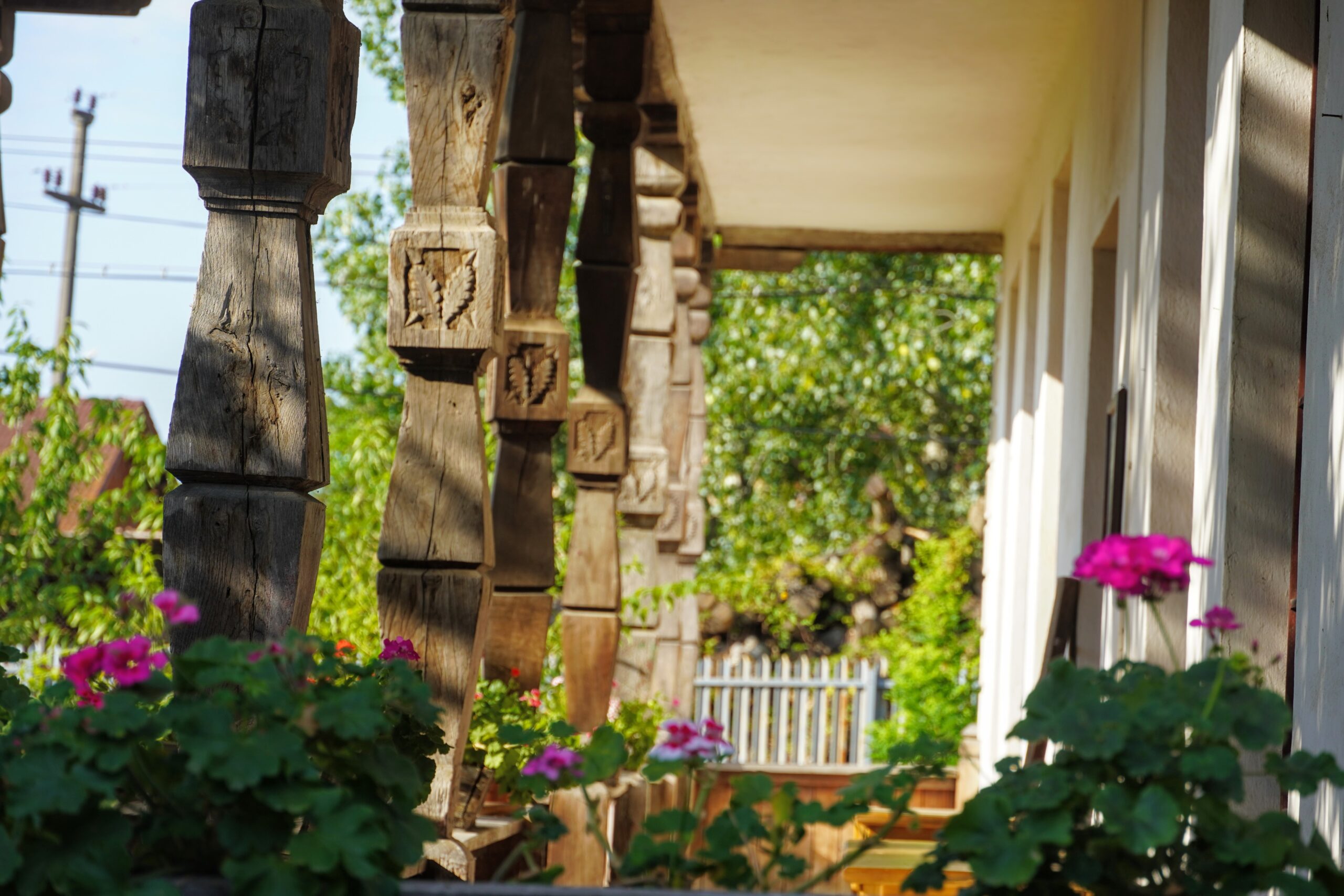
The representative symbolism of the Romanian village is abundantly present in the Vâlcea Village Museum. Various symbols, such as cosmic, zoomorphic, and geometric motifs, can be seen throughout the site, with an example being the porch pillars of the school, carved in the shape of the Endless Column and decorated with the oak leaf motif.
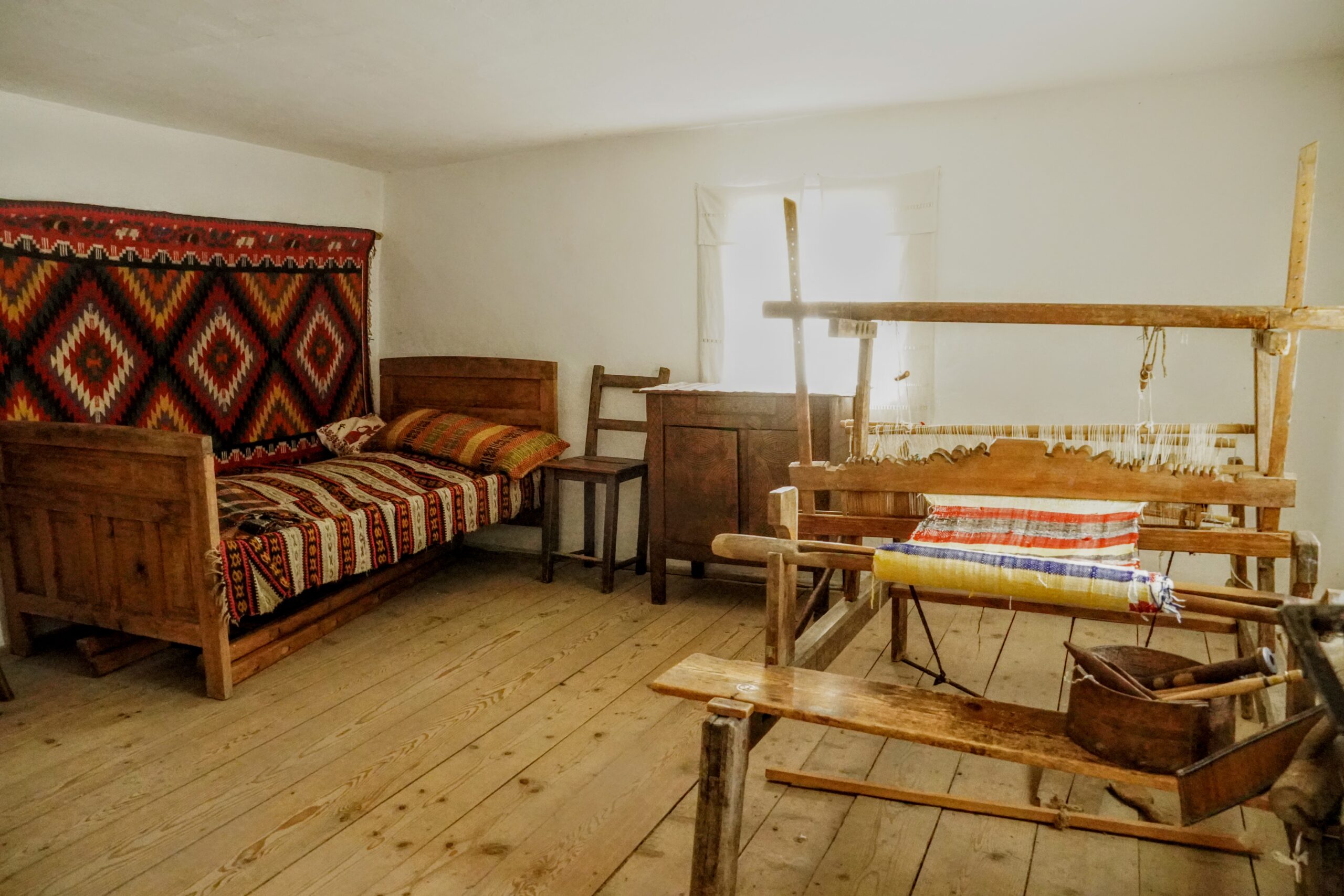
The museum also highlights the traditional occupations of Vâlcea’s peasants, from woodworking and blacksmithing to weaving, pottery, and beekeeping. Traditional technical installations, such as watermills and fulling mills, as well as traditional means of transportation, are on display. Additionally, the museum regularly organizes festivals, educational workshops, and other cultural events.
A project financed with the support of the General Secretariat of the Government through SDC.


 English
  Romanian