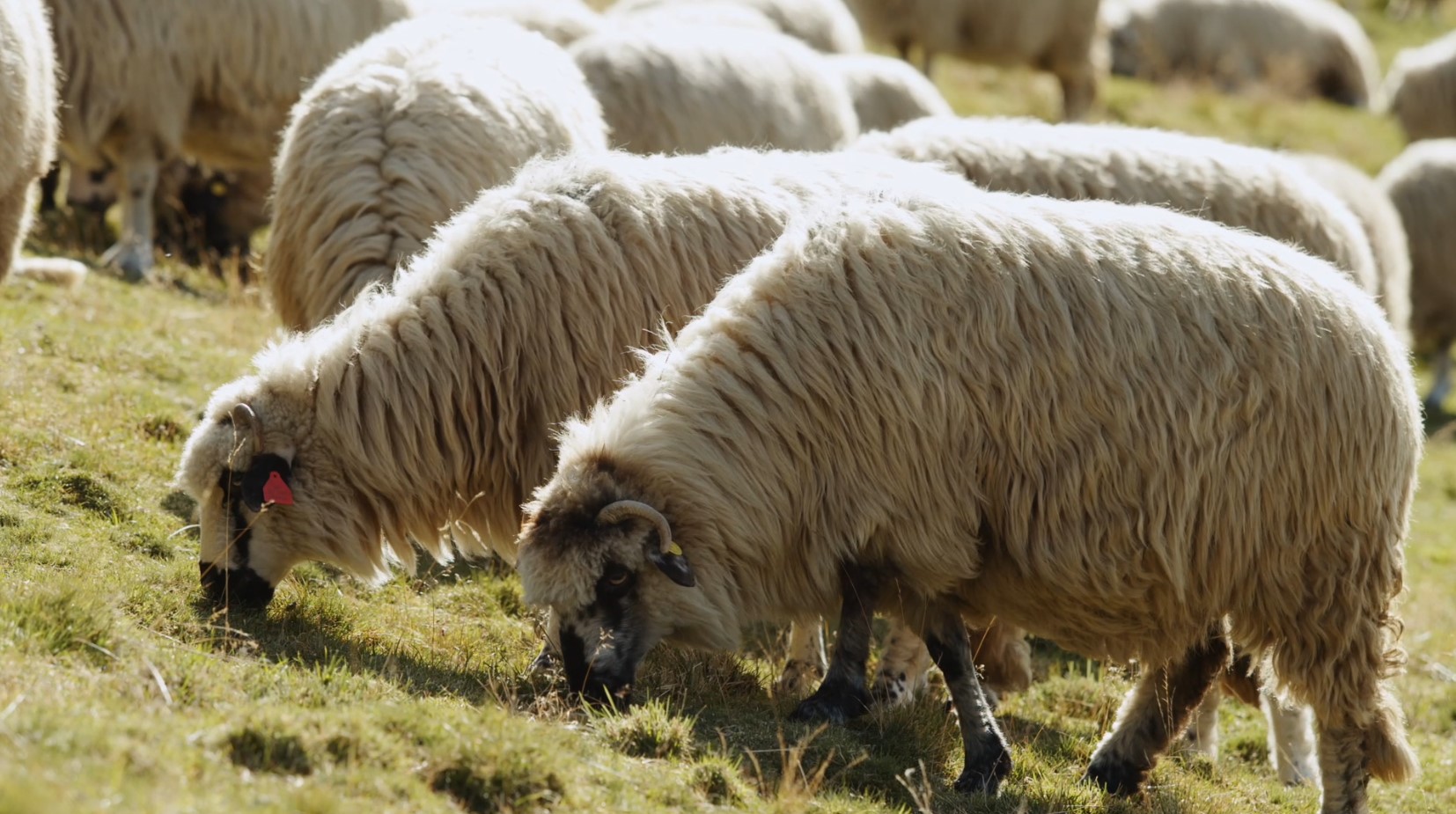
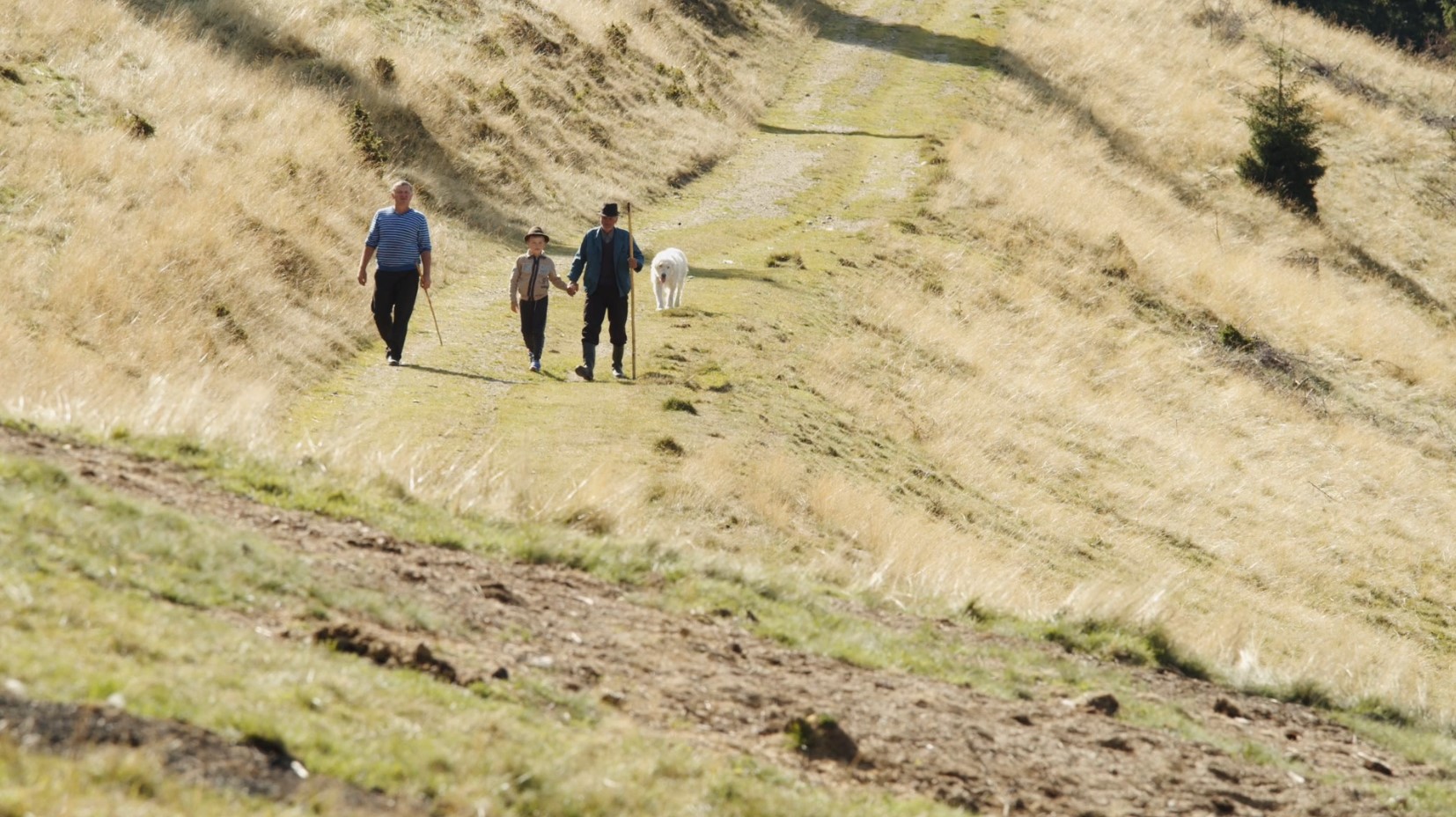
The tradition of shepherding in Vâlcea County is deeply rooted in the local history and culture, representing a defining element of the region's identity. Over time, this activity has been not only a source of livelihood for the inhabitants but also a symbol of the close bond between humans and nature.
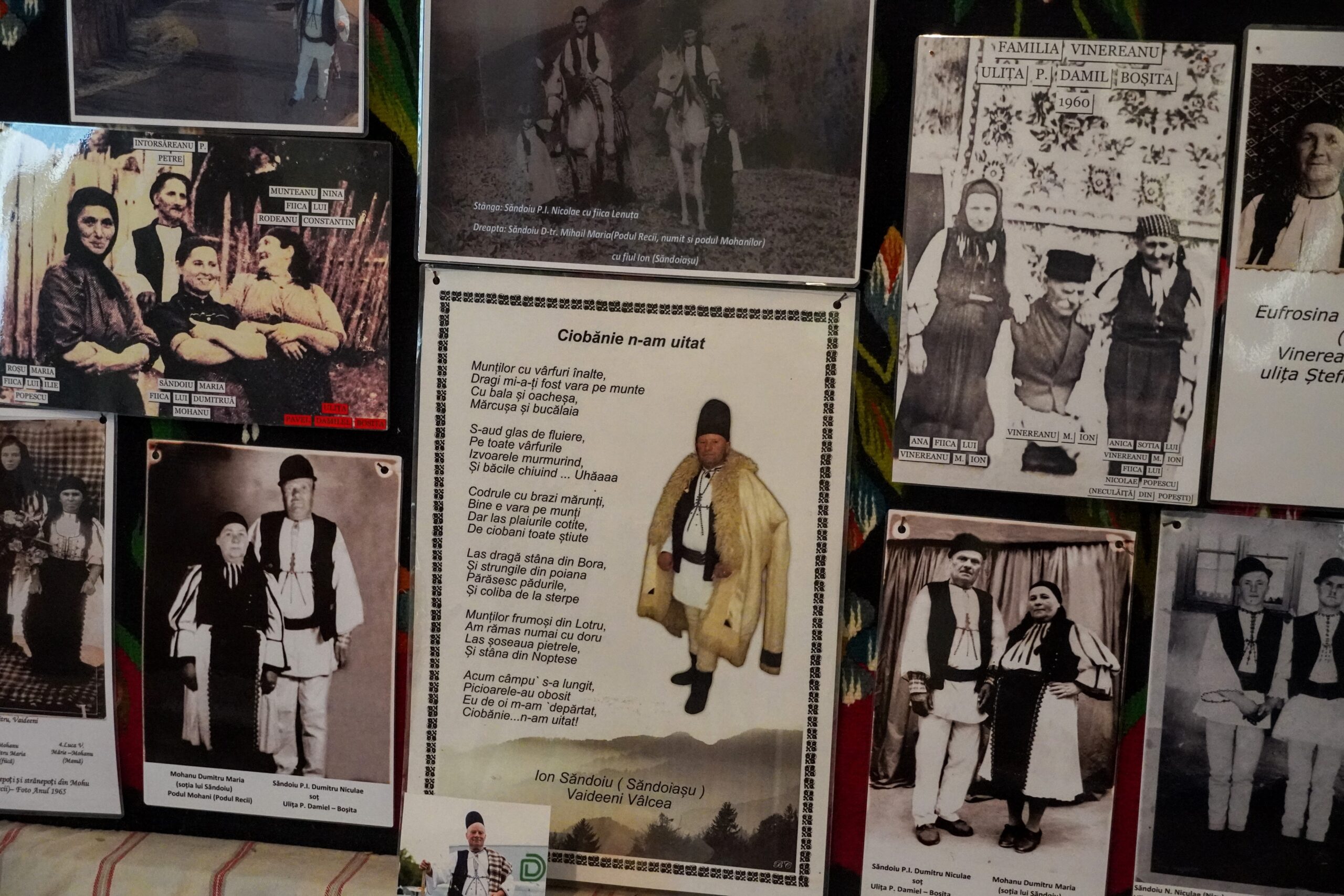
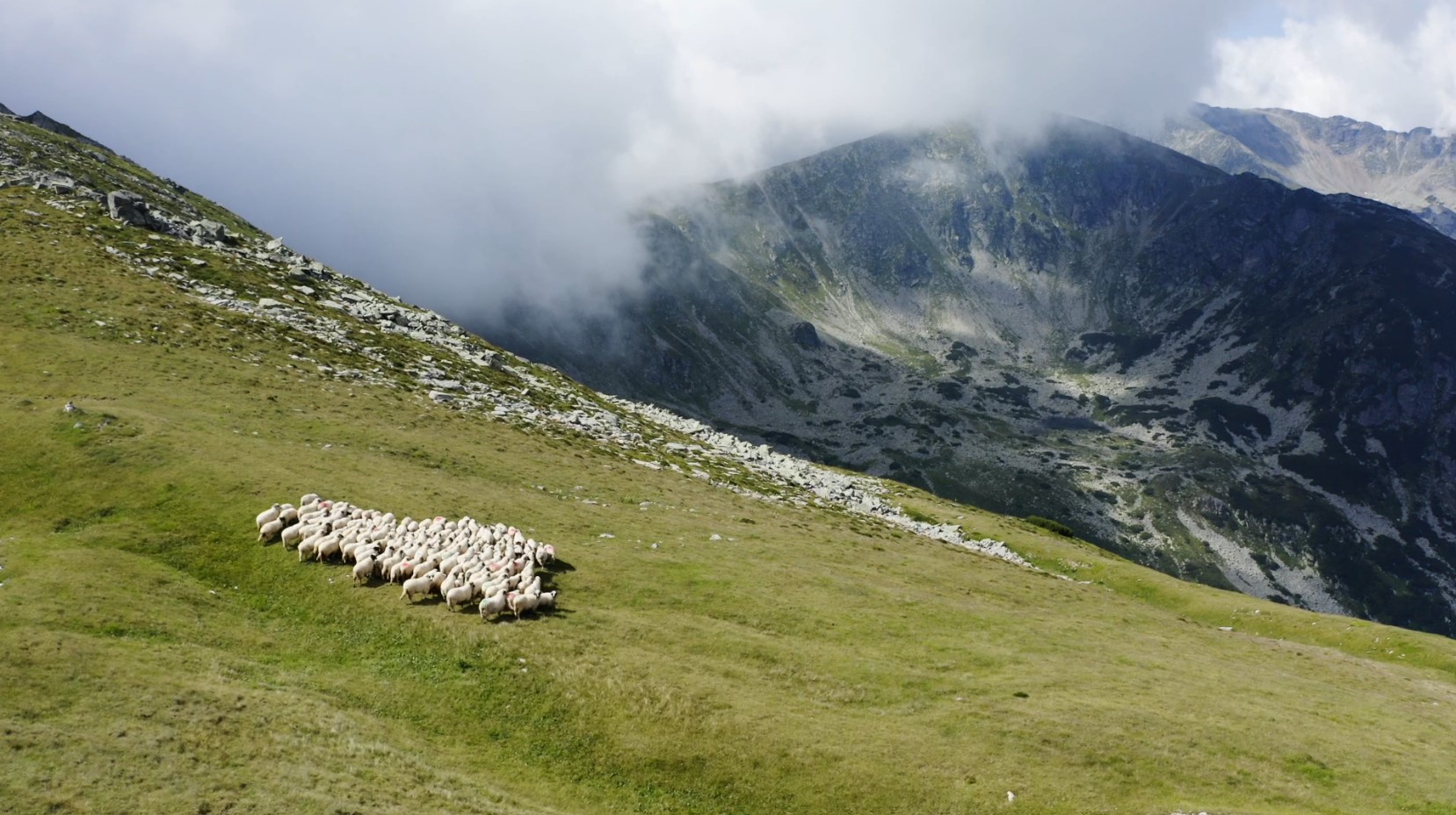
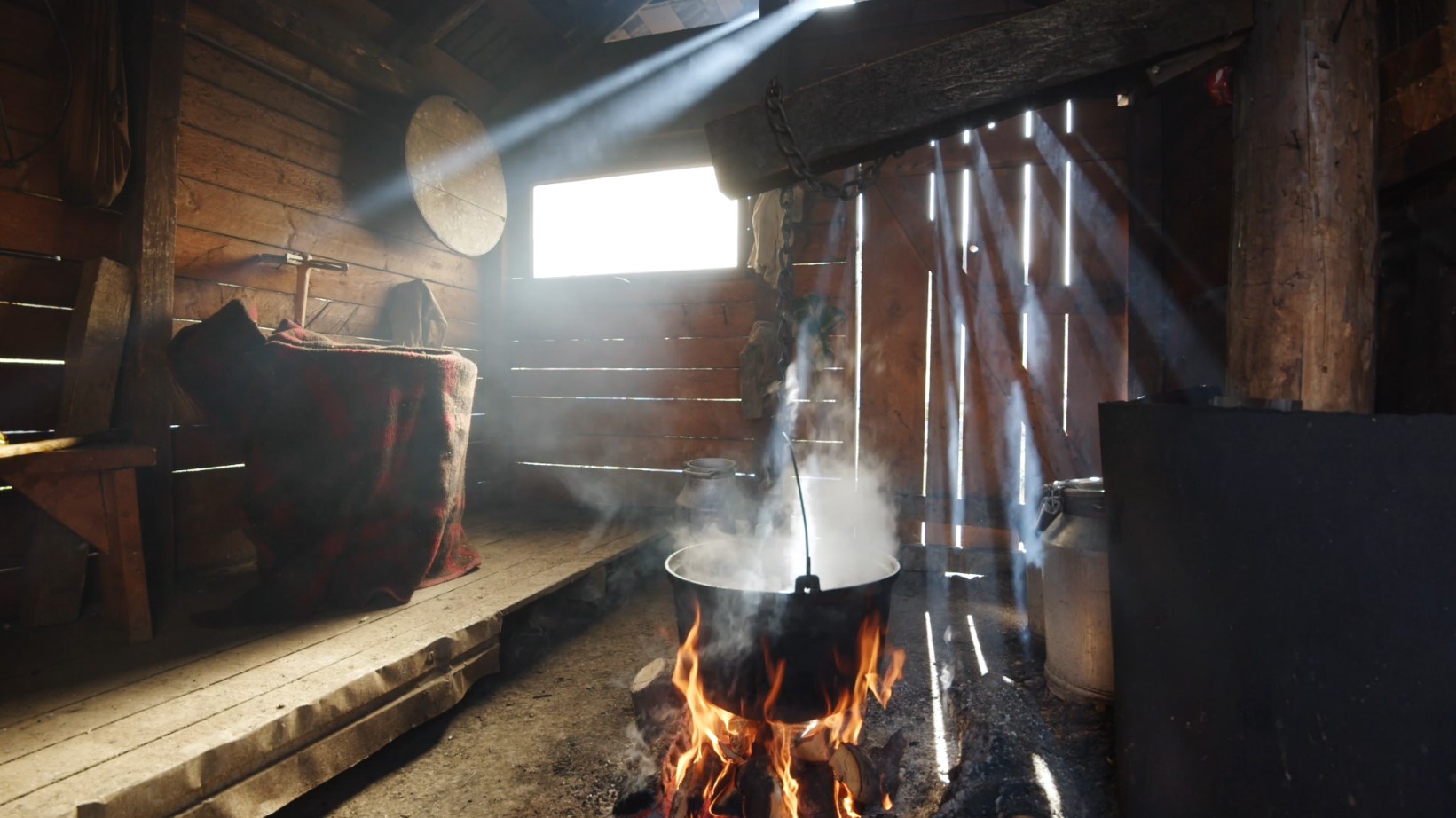
Shepherding has been practiced for centuries in Vâlcea, aided by the many mountain ridges that provide excellent conditions for summer grazing. Transhumance, the seasonal migration of herds between lowlands and mountainous areas depending on the season, has been an essential aspect of the lives of Vâlcea's shepherds. It is still practiced today by the shepherds in Vaideeni, a village with a strong pastoral tradition where shepherd customs are faithfully preserved by its inhabitants, descendants of shepherds from Mărginimea Sibiului. Here, shepherding is an integral part of the local identity. Every summer, the shepherds of Vaideeni drive their flocks to the mountains, spending the warm months in traditional wooden sheepfolds where they produce cheeses and other sheep milk products, which have become symbols of local gastronomy.
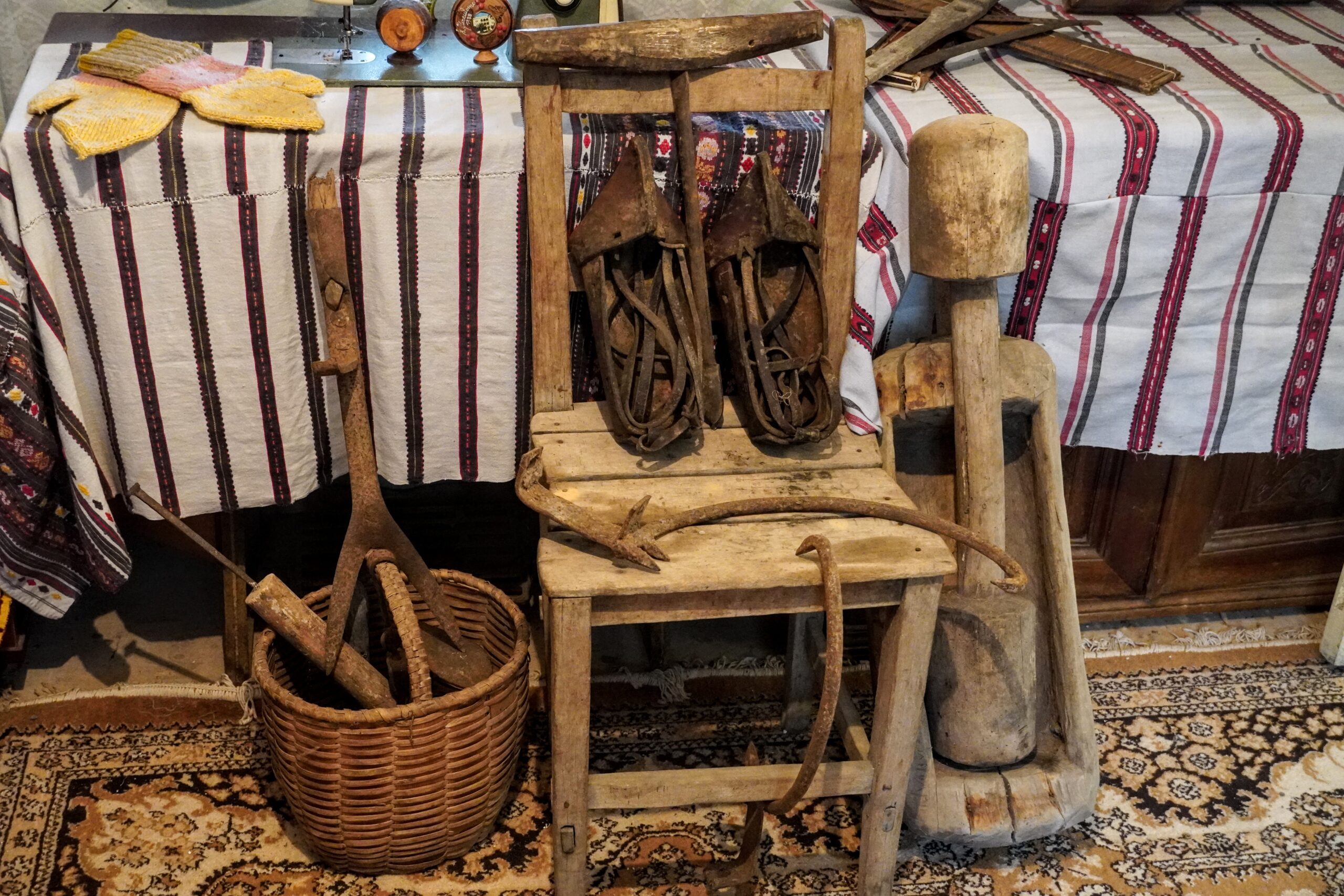
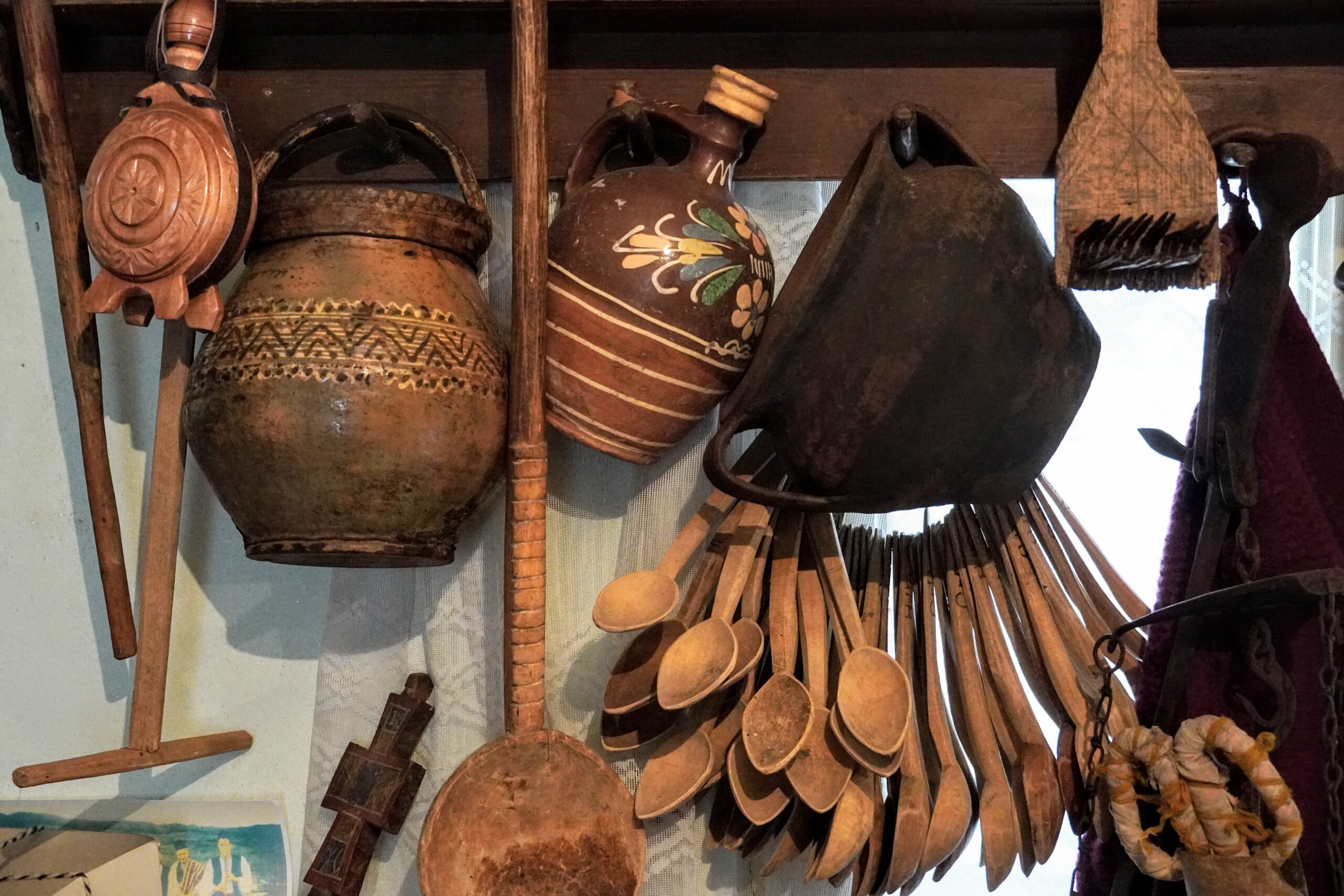
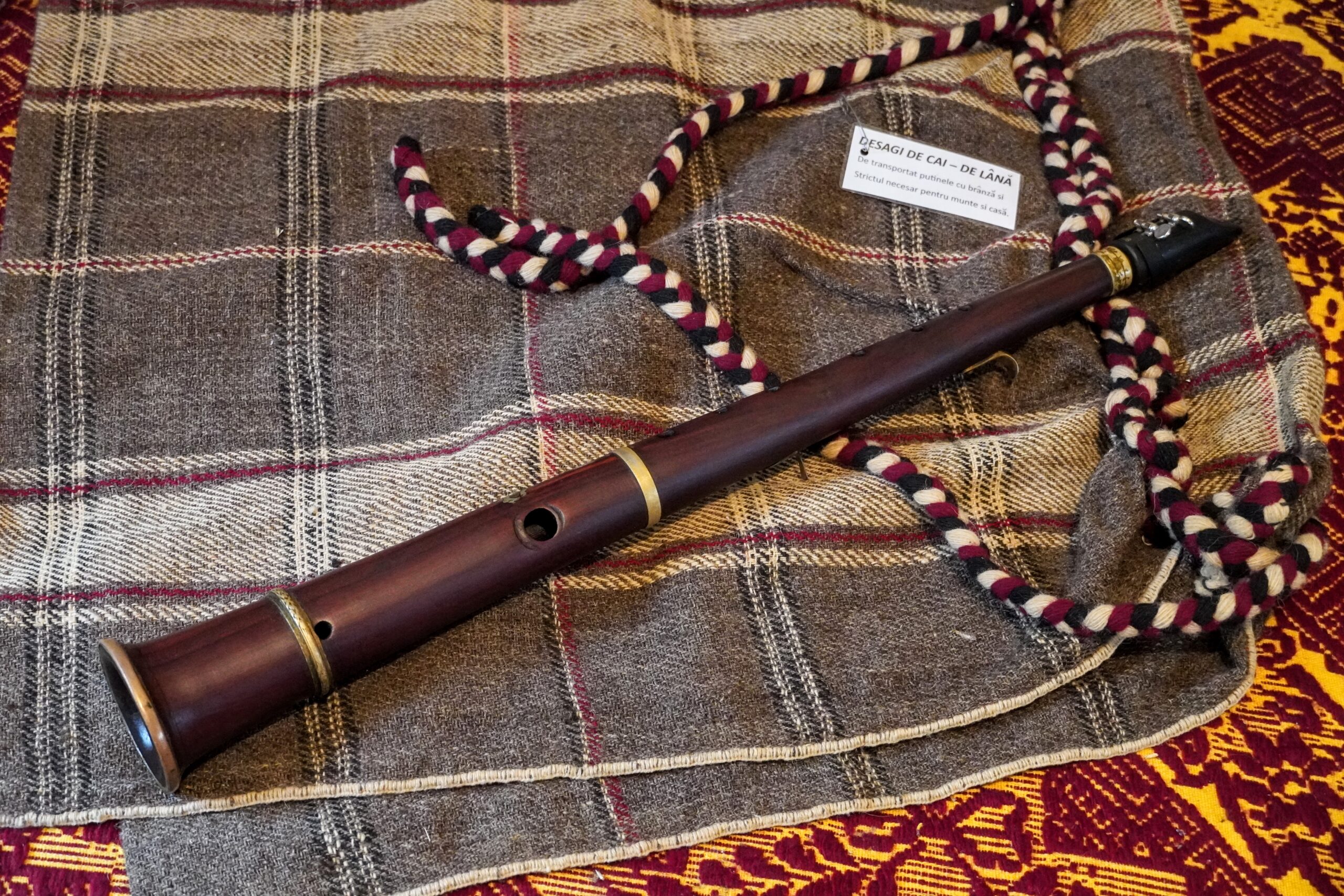
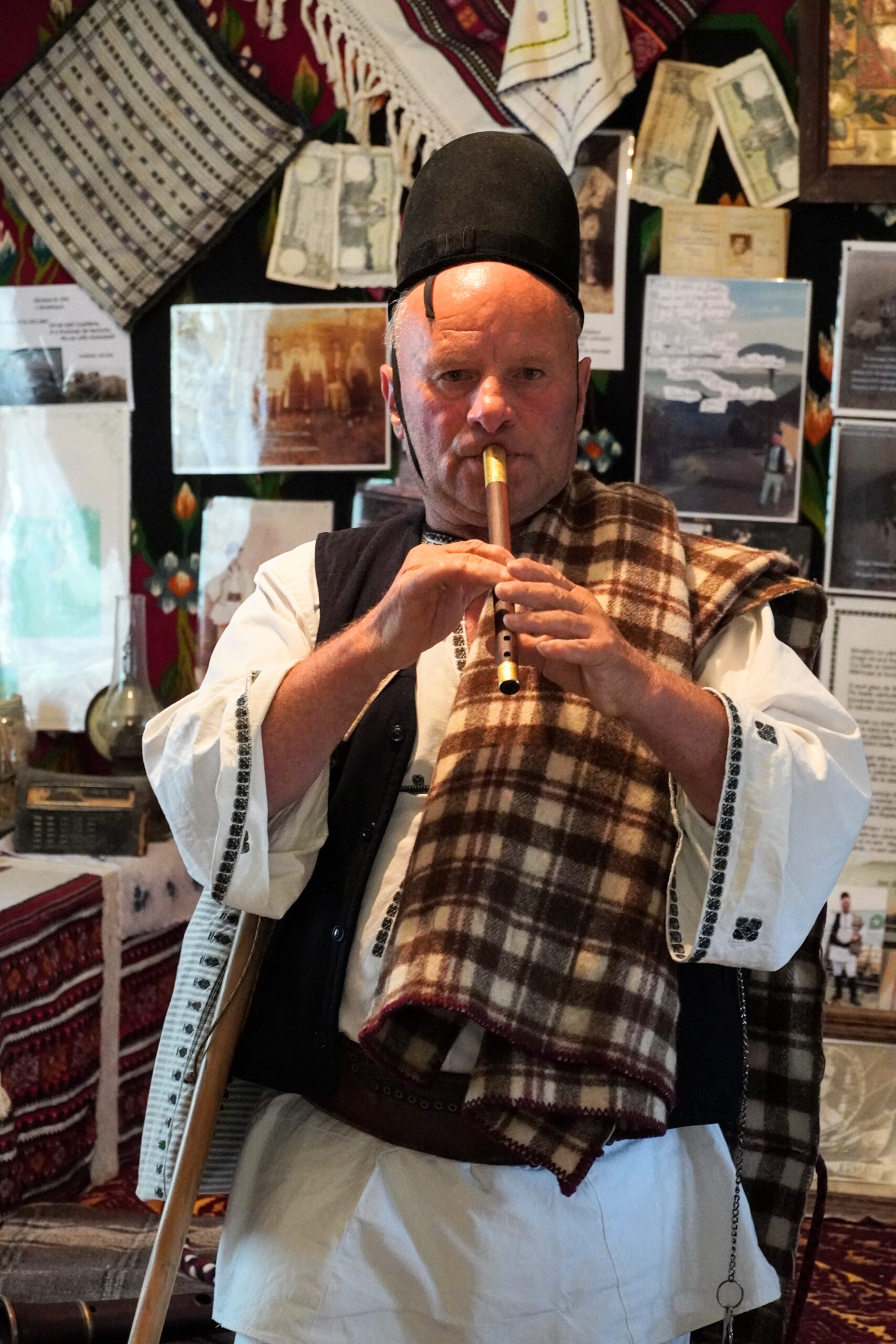
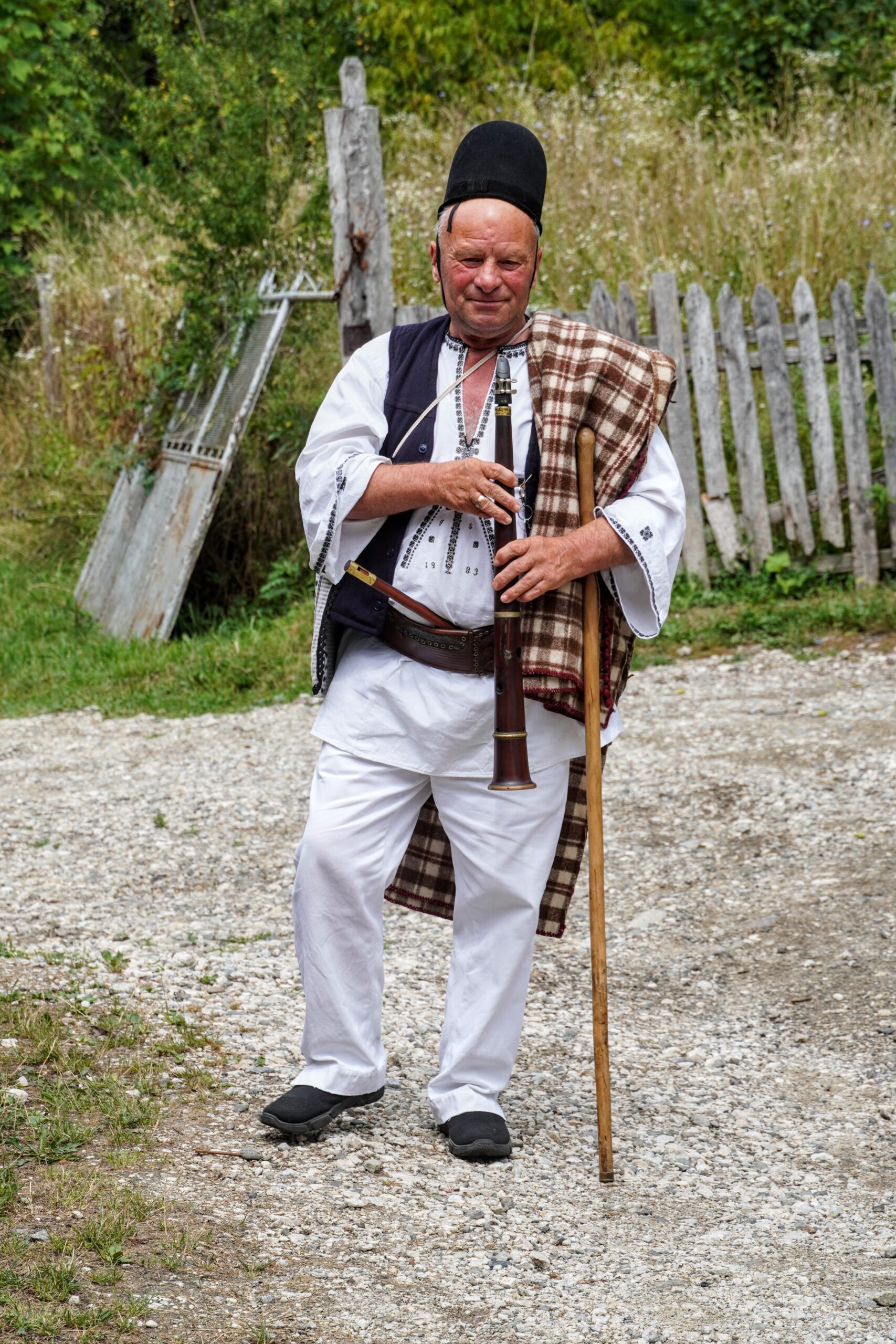
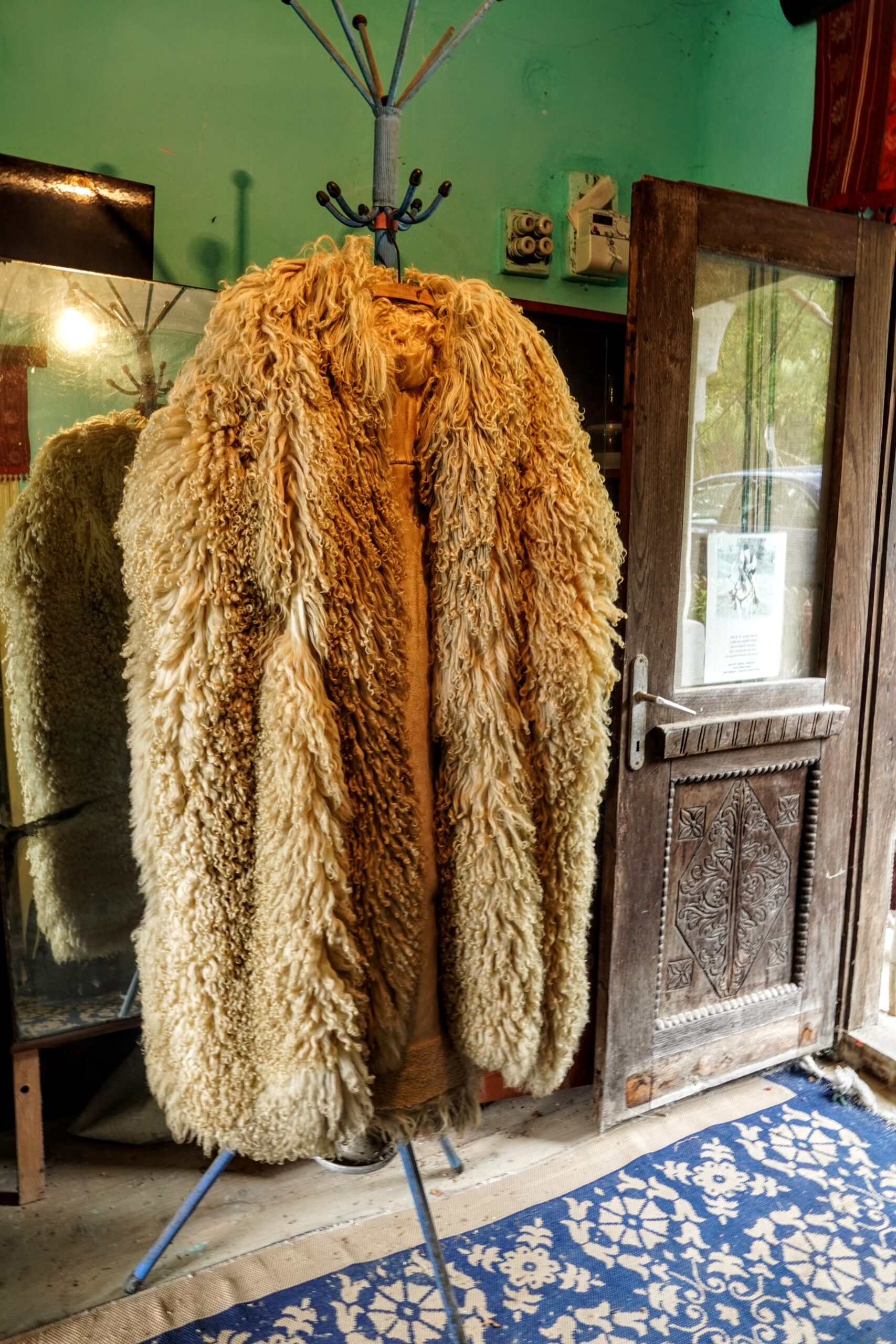
Shepherding also had a strong influence on other aspects of local culture, such as craftsmanship. The shepherds in the area were renowned for creating woolen items like sheepskin coats and traditional textiles. Wooden vessels and tools used for making cheeses, as well as flutes for playing music, are a testament to the local mastery of woodworking.
The shepherding spirit and ancient pastoral traditions of Vaideeni are celebrated annually at the "Învârtita Dorului" festival, a unique opportunity to experience the local culture. The festival features an impressive parade of traditional costumes, folk dances, popular music concerts, and culinary competitions.
A project financed with the support of the General Secretariat of the Government through SDC.


 English
  Romanian