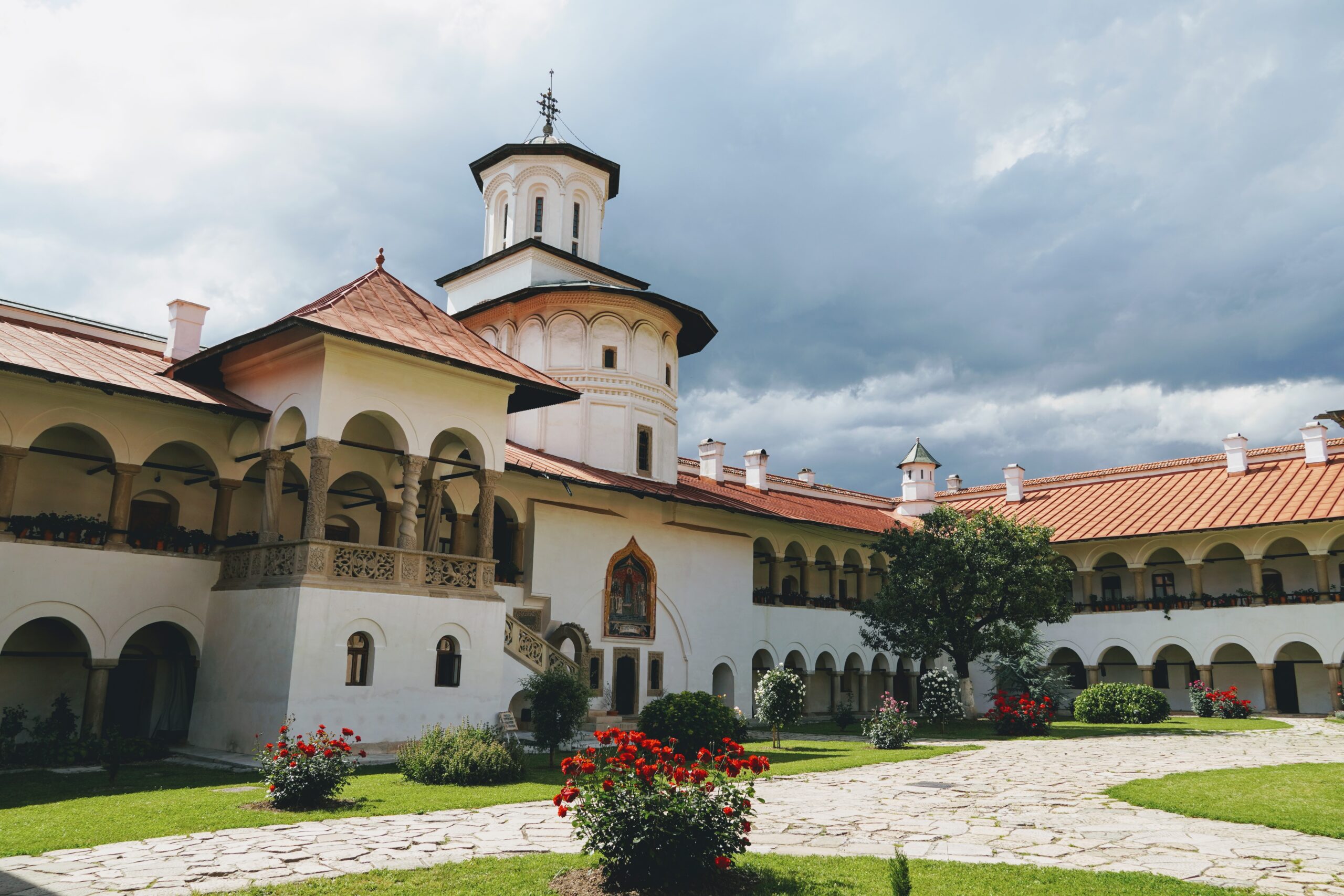
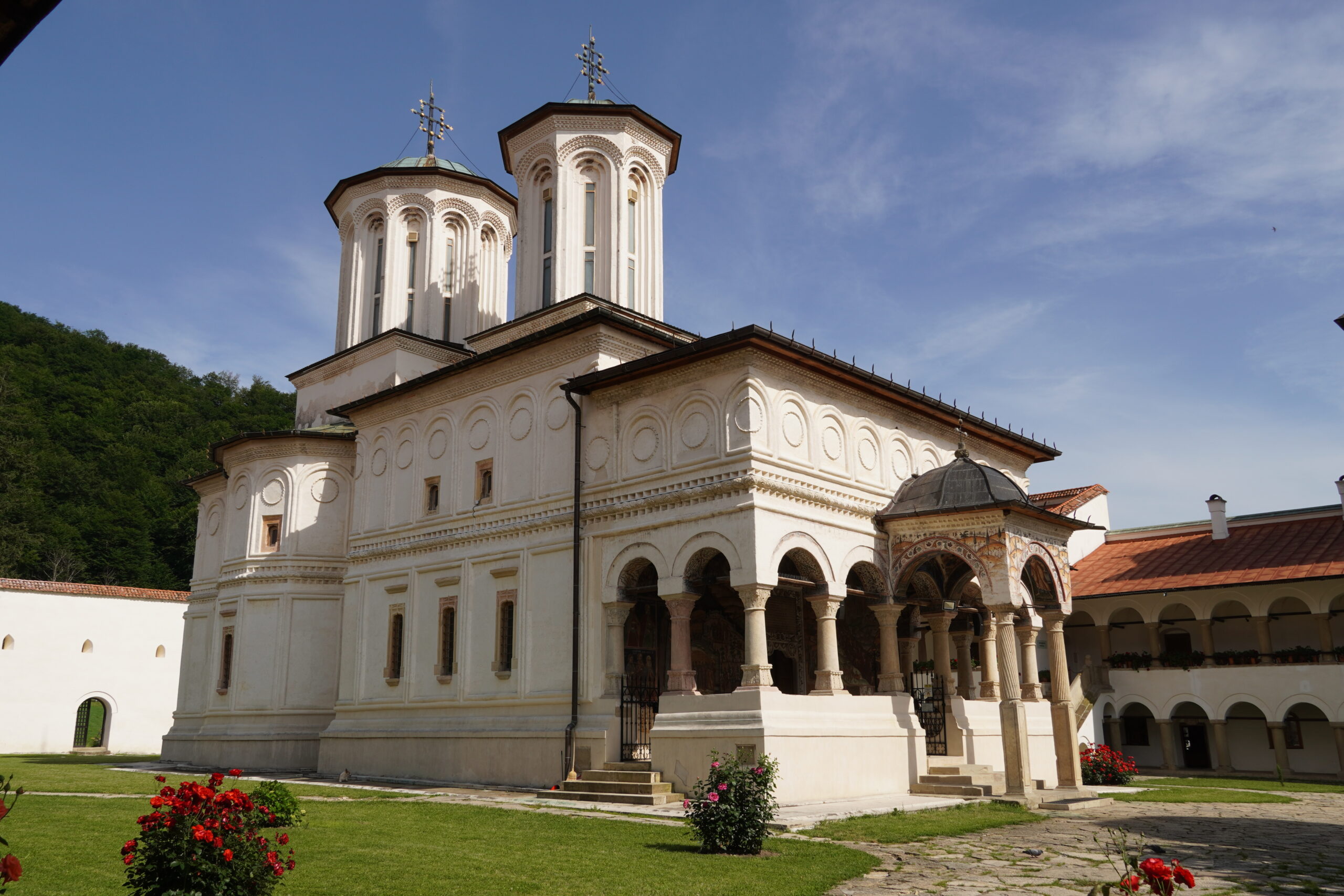
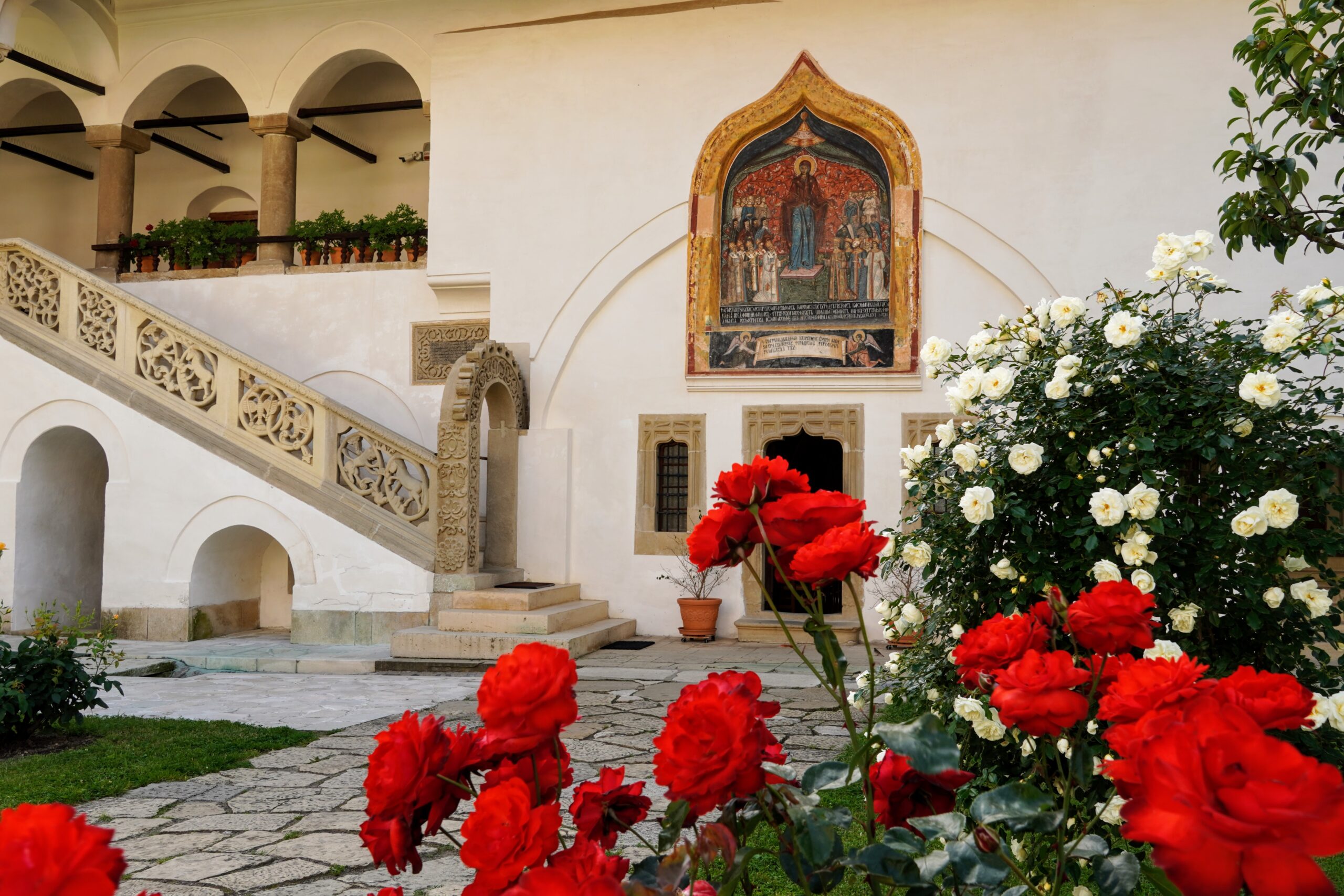
Hurezi Monastery is one of the most representative and well-preserved monuments of “Brâncovenesc art” in Romania. Located in the village of Romanii de Jos, part of Horezu town, it is a tourist destination of great historical and spiritual value, being included in the UNESCO World Heritage list.
Built by the ruler Constantin Brâncoveanu in the late 1600s as a royal necropolis, it has become a symbol of Romanian art and culture from that era, serving as a quintessential example of the “Brâncovenesc style”, which blends Byzantine and Western architectural elements.
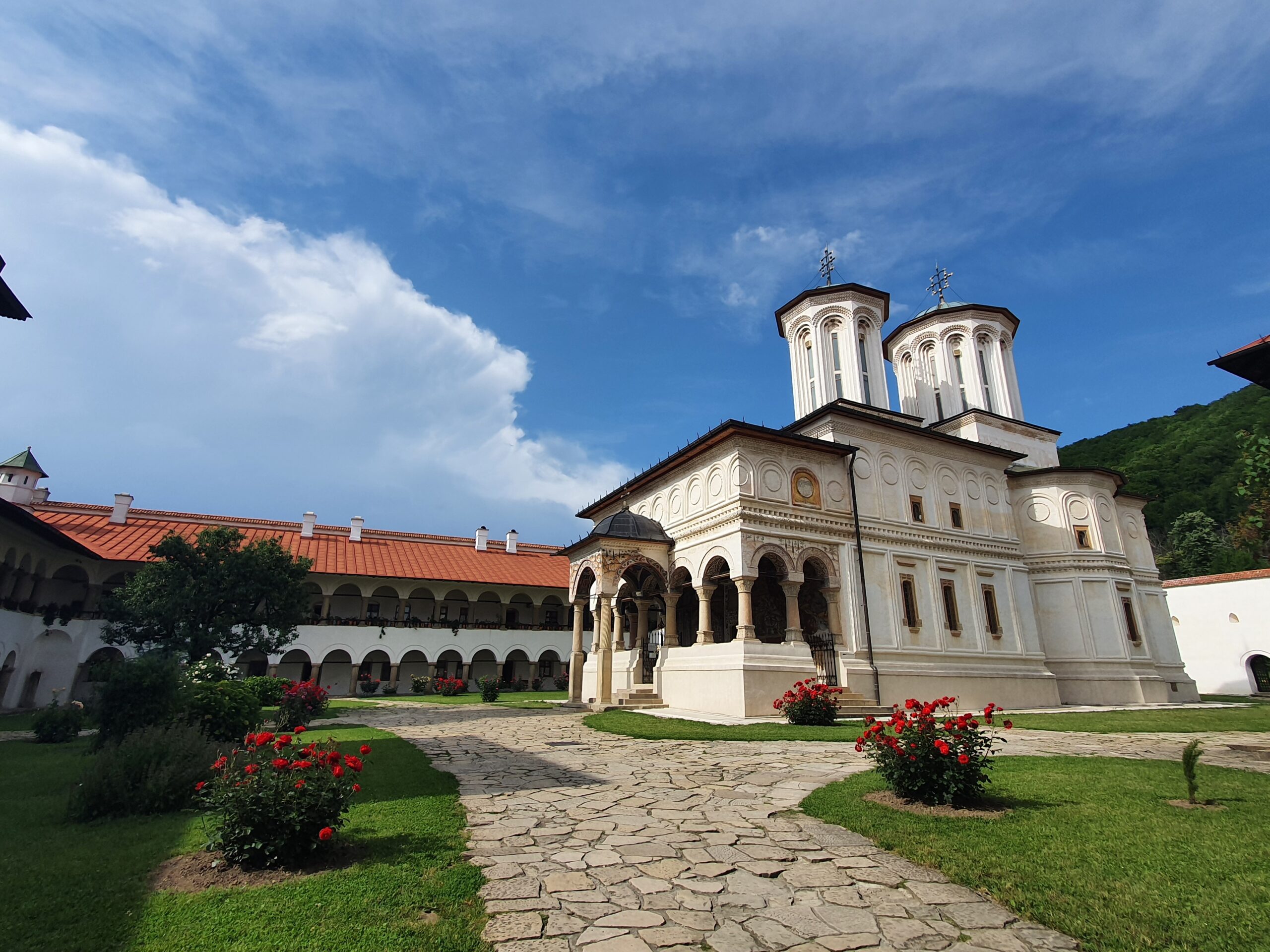
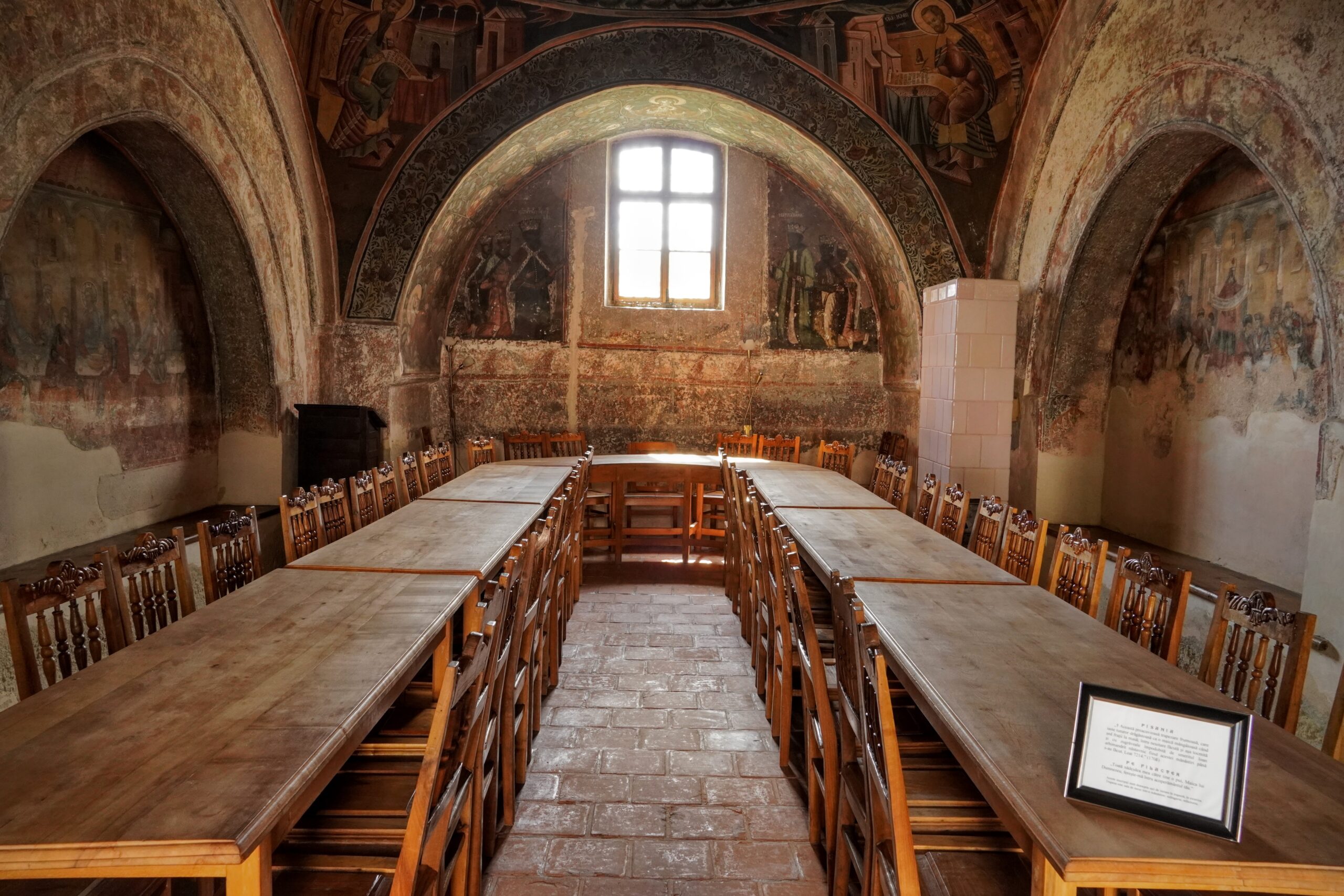
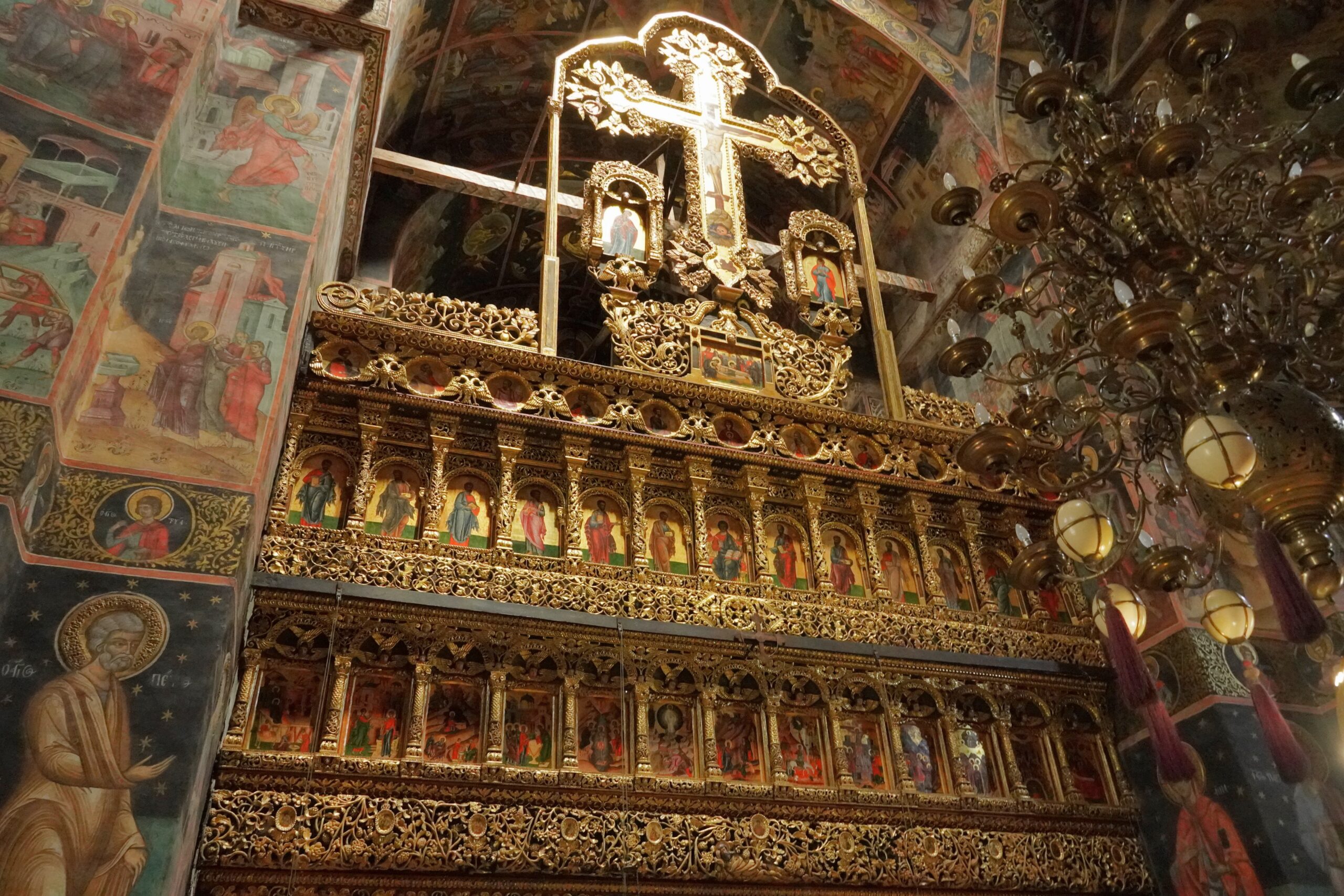
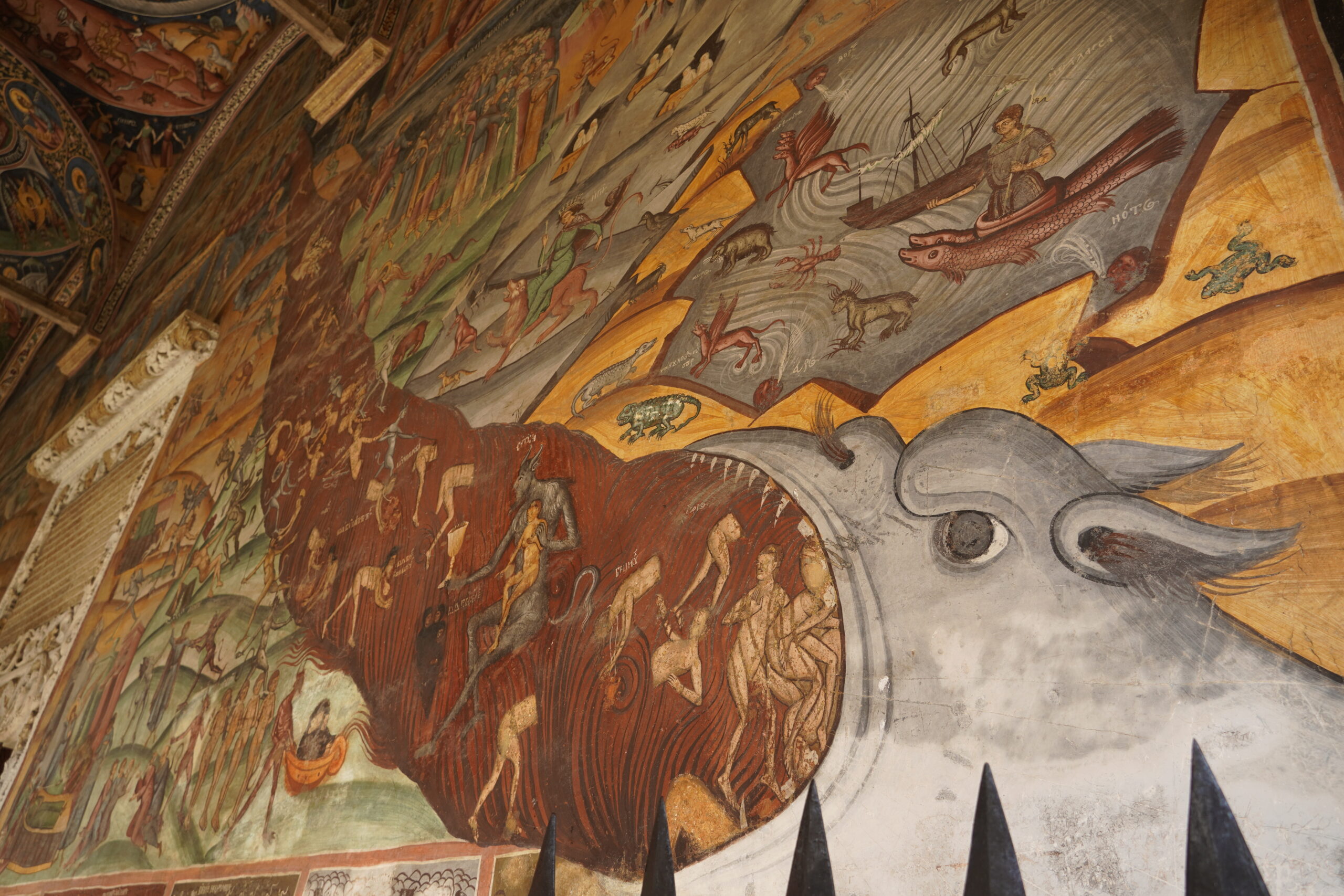
The monastic complex includes several buildings, the most important of which is the main church, dedicated to Saints Constantine and Helena. The church stands out for its harmonious proportions, rich decorative details, and elegant domes. Its interior is a true masterpiece, featuring murals of exceptional artistic quality that depict religious scenes with great attention to detail, vivid colors, and remarkable expressiveness. The portraits of the founders and the intricately carved iconostasis, along with valuable icons, further enhance the church's beauty.
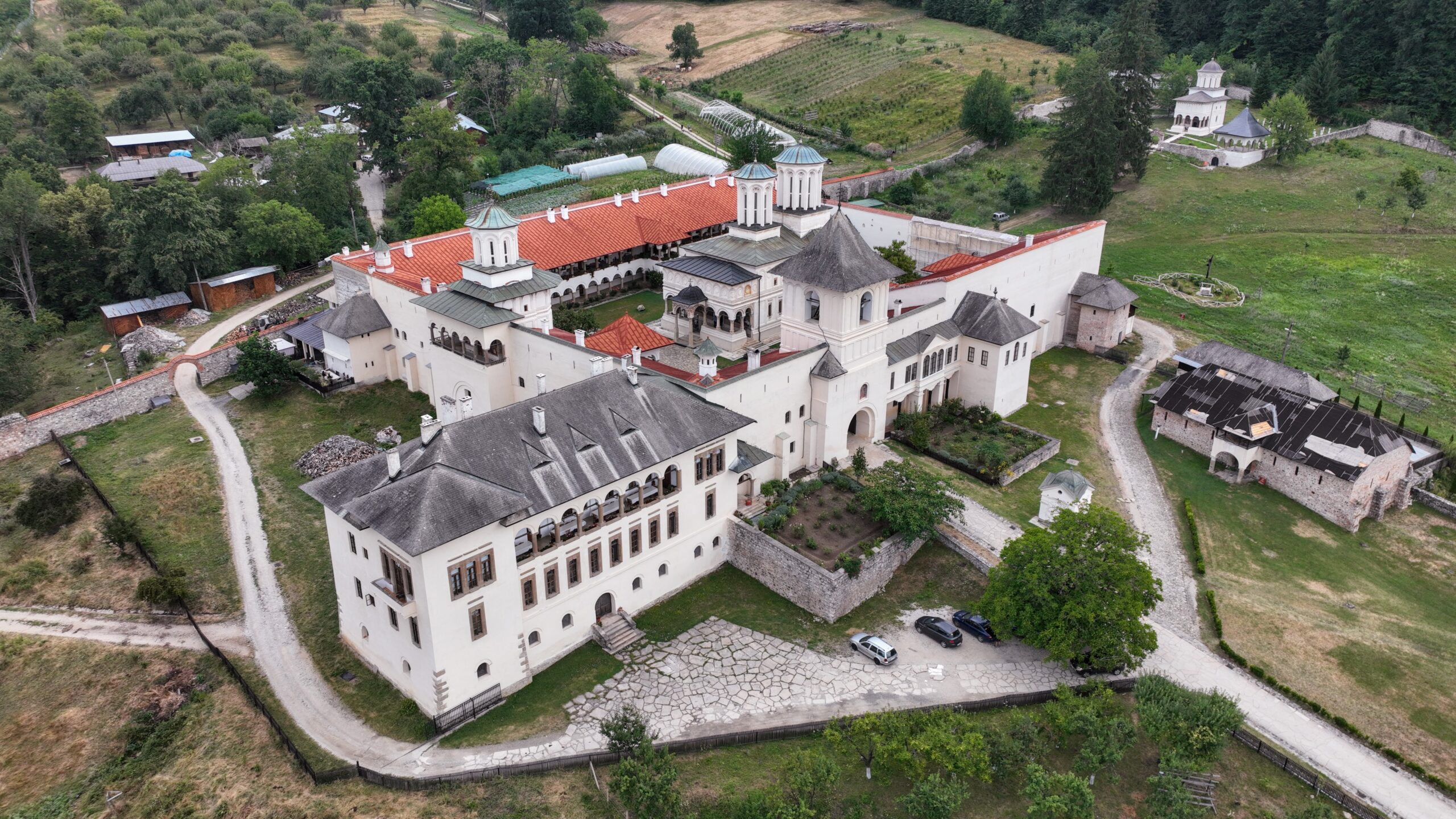
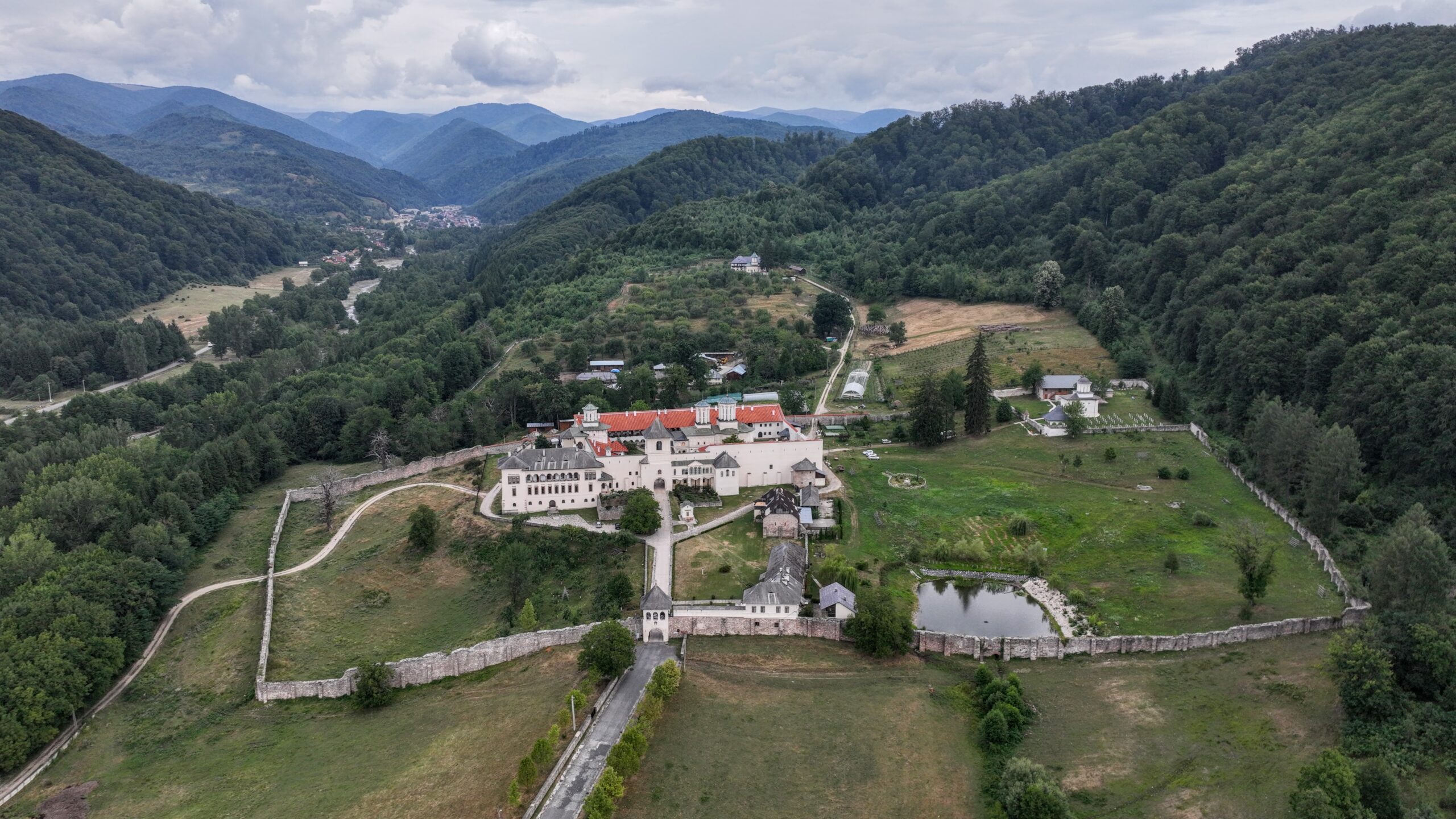
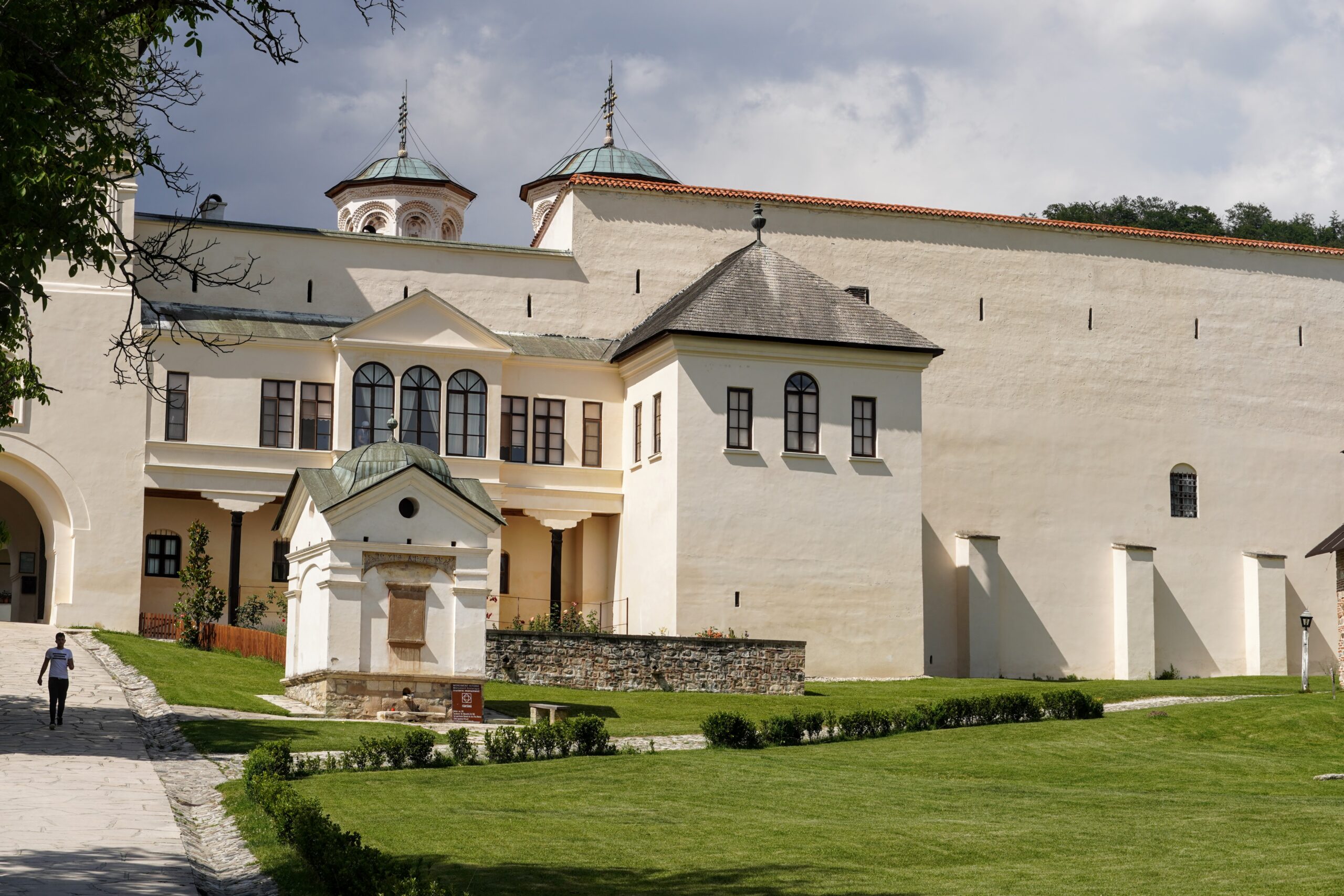
Surrounding the main church are several hermitages and auxiliary buildings, such as the infirmary for the sick, monastic cells, and a library. The complex also houses a museum that contains an impressive collection of old icons, rare books, and liturgical objects.
Hurezi Monastery is not only a place of prayer and reflection but also an important cultural center. Throughout the centuries, it has served as a place of refuge and spiritual resilience, where traditional Romanian values have been preserved and passed on.
A project financed with the support of the General Secretariat of the Government through SDC.


 English
  Romanian