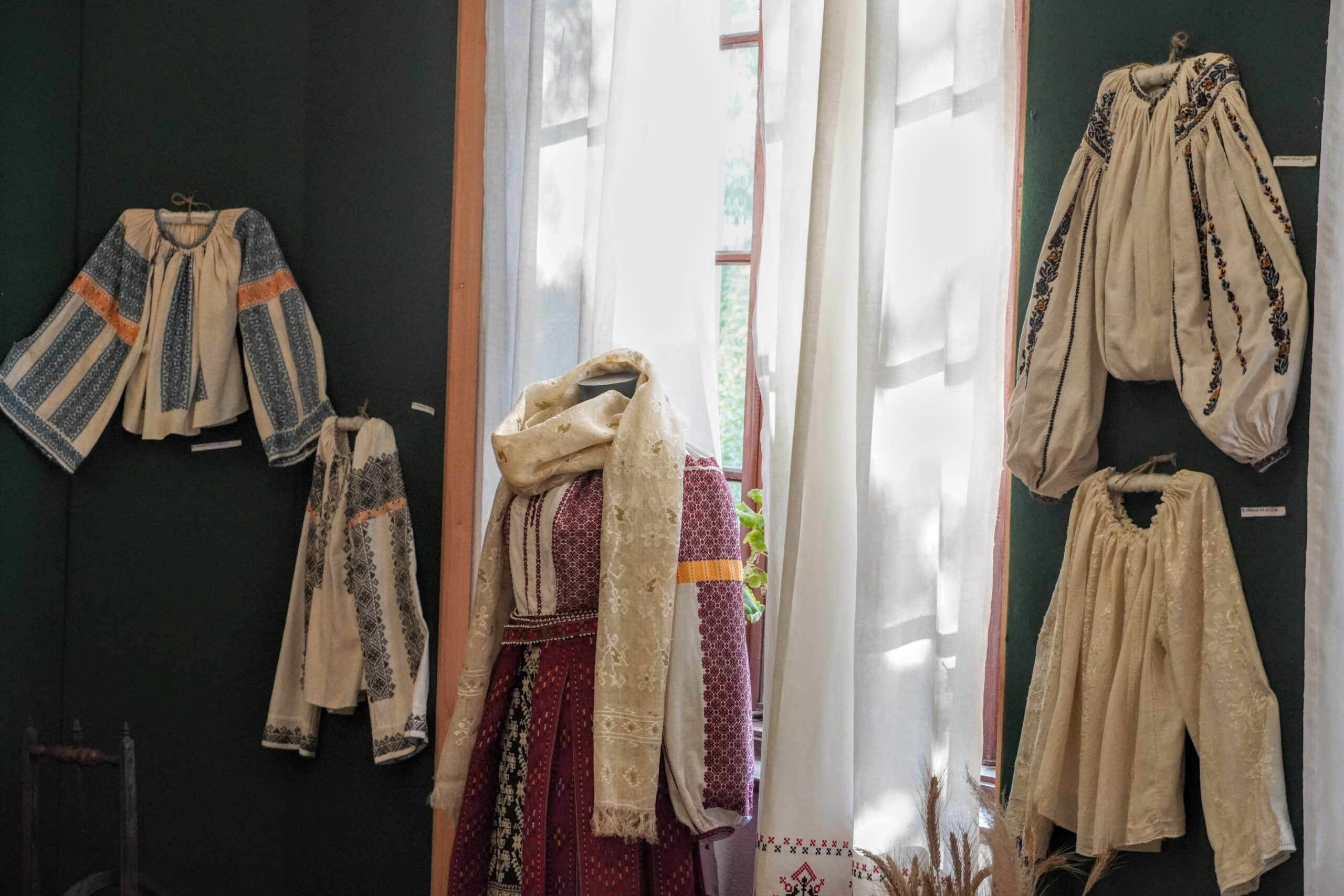
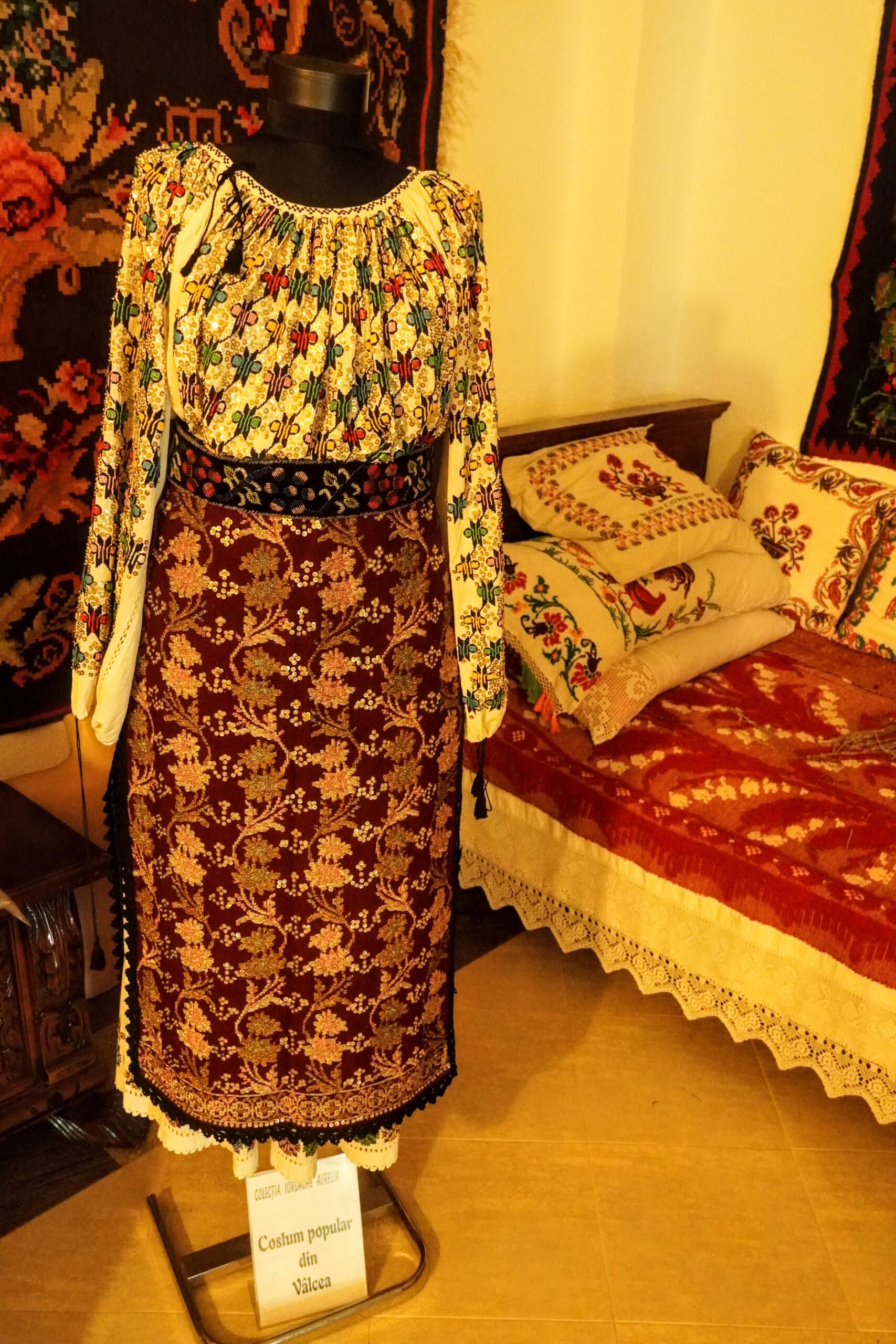
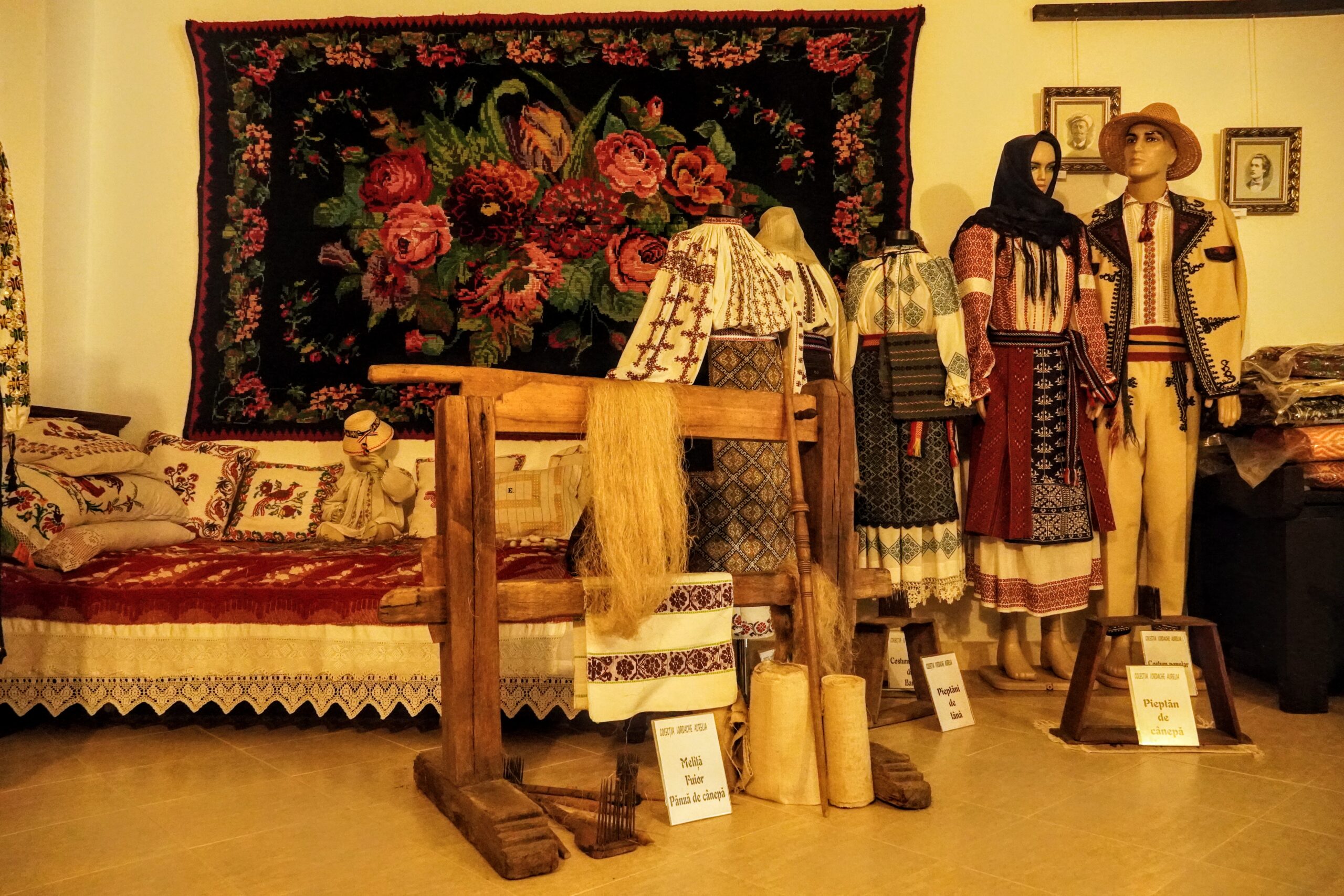
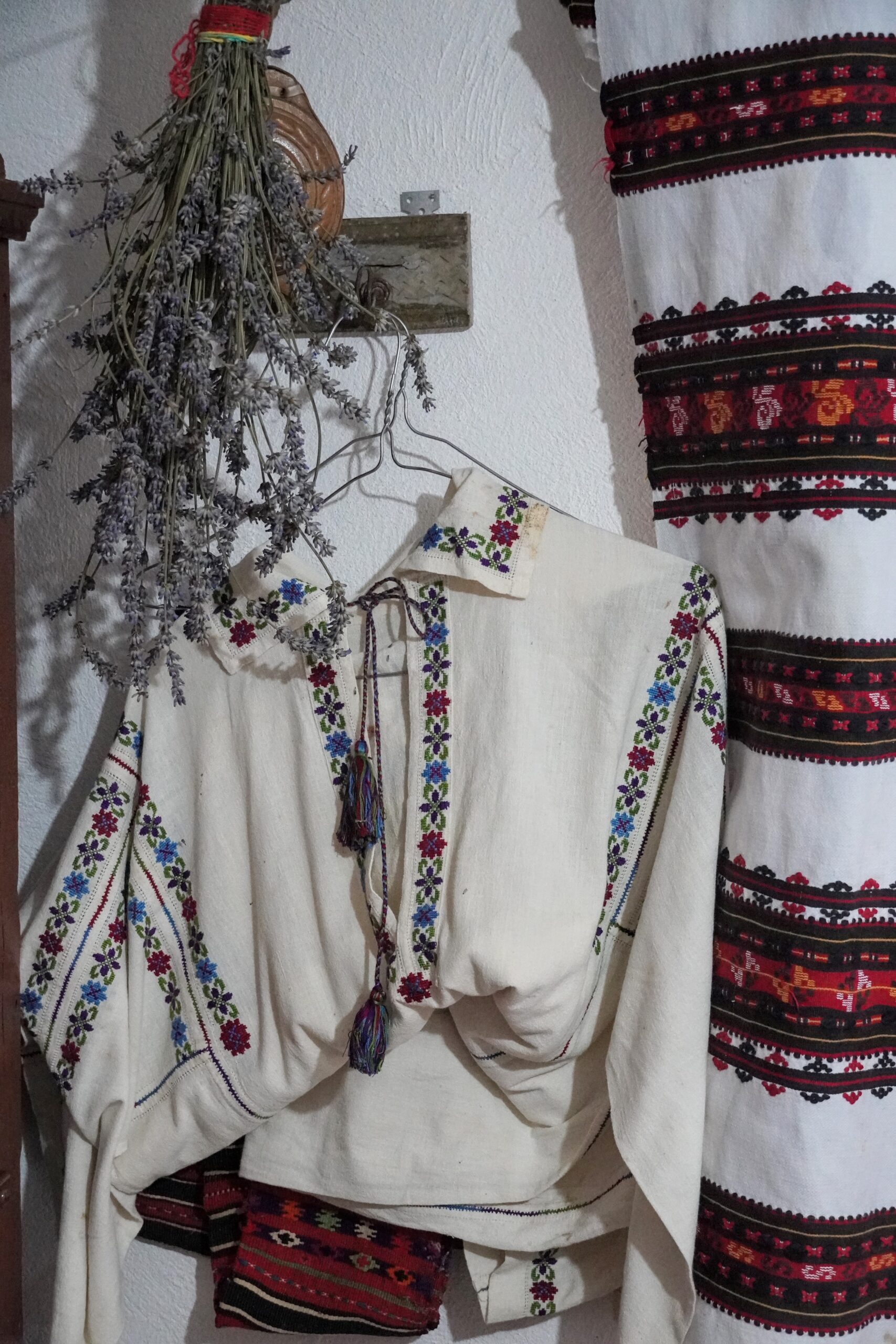
The traditional folk costume from Vâlcea County is part of Romania’s cultural heritage and reflects the ethnographic identity of this region. The folk costumes from Vâlcea are particularly rich in details, colors, and symbols, featuring influences specific to the geographical area at the foothills of the Carpathians and the sub-Carpathian region.
The traditional Vâlcean costume retains many of the characteristic elements of the national Romanian costume but also presents specific traits unique to the area. These distinctive features can be seen in the materials used, cuts, patterns, and decorative motifs, which vary between the hilly, mountainous, and plains regions.
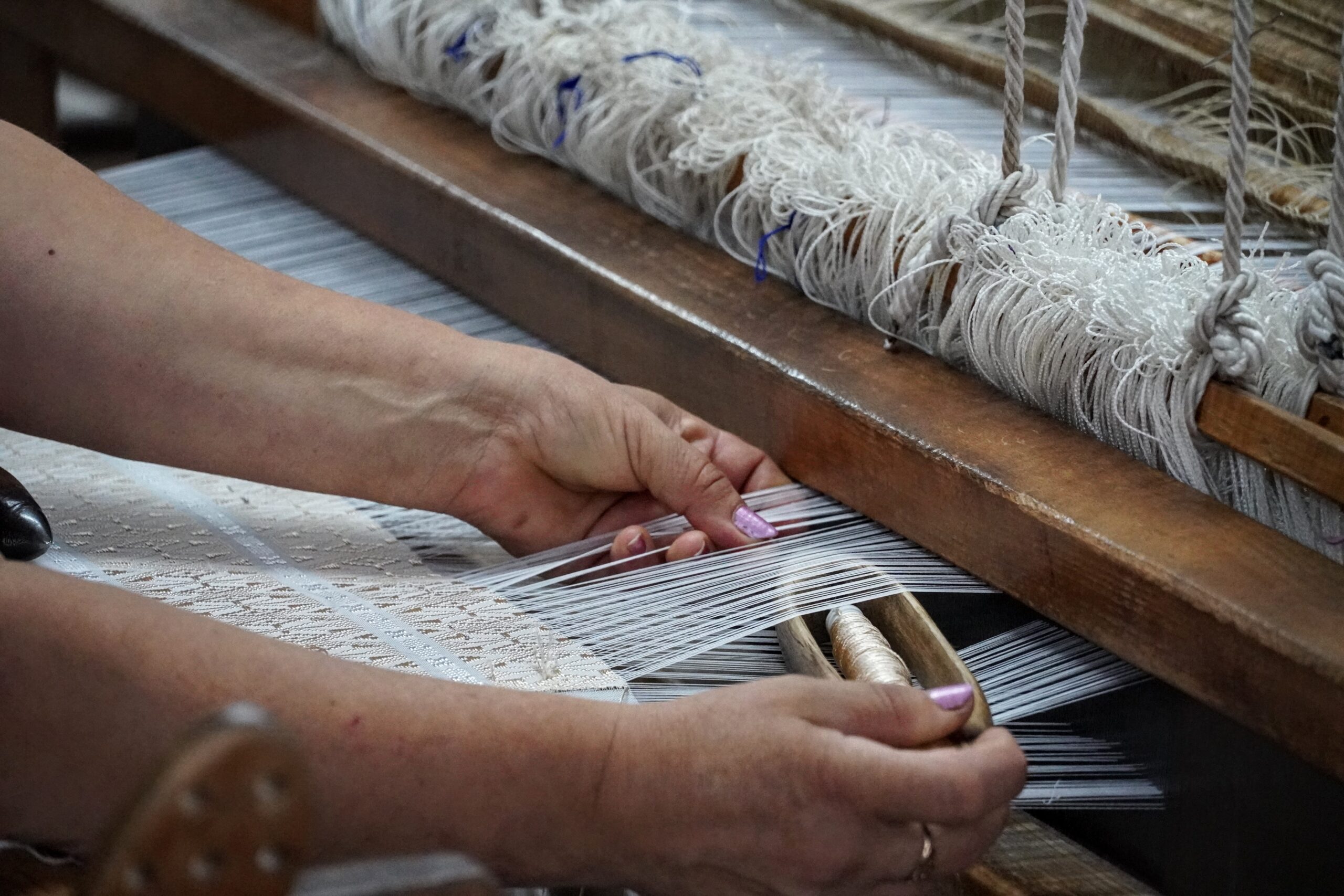
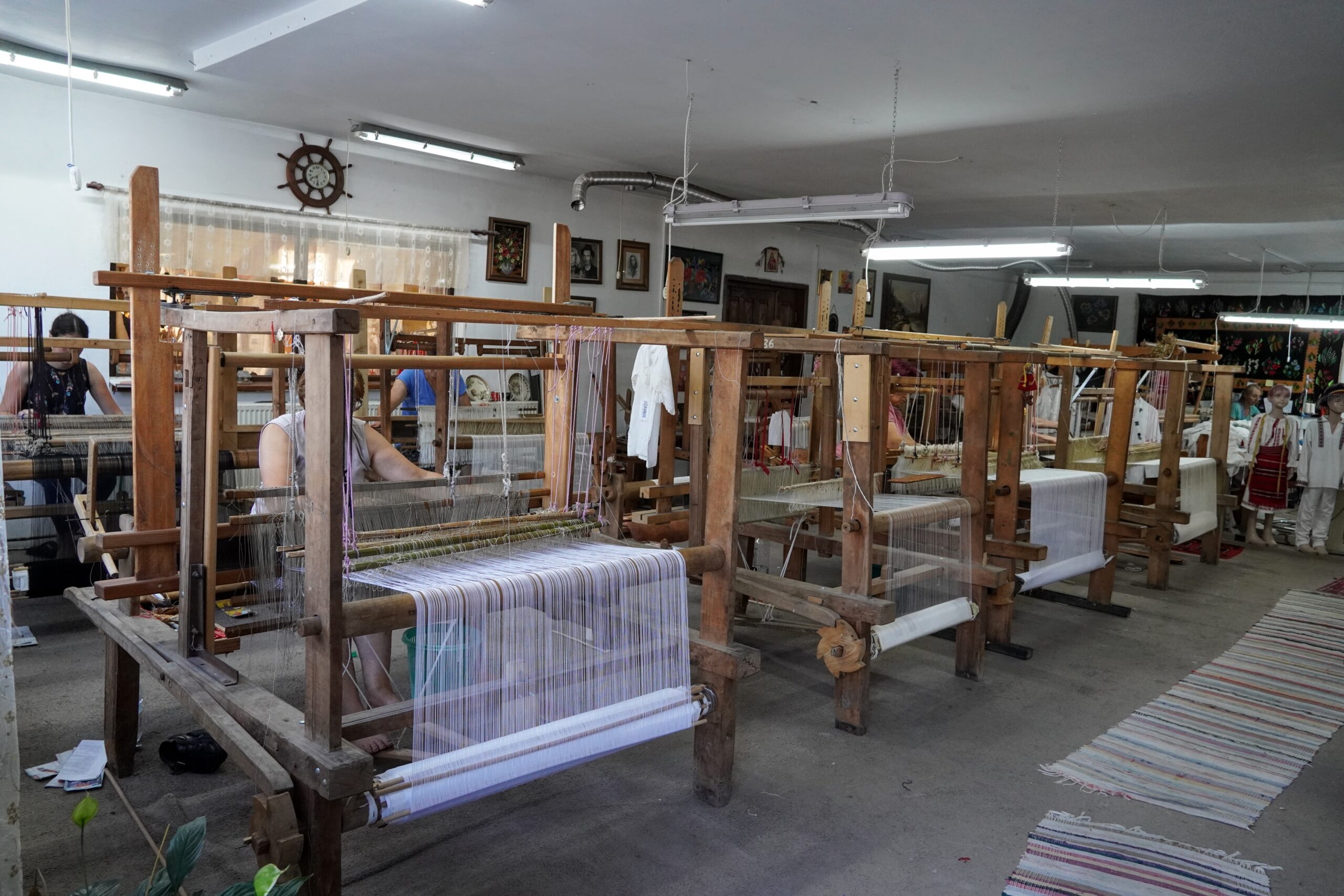
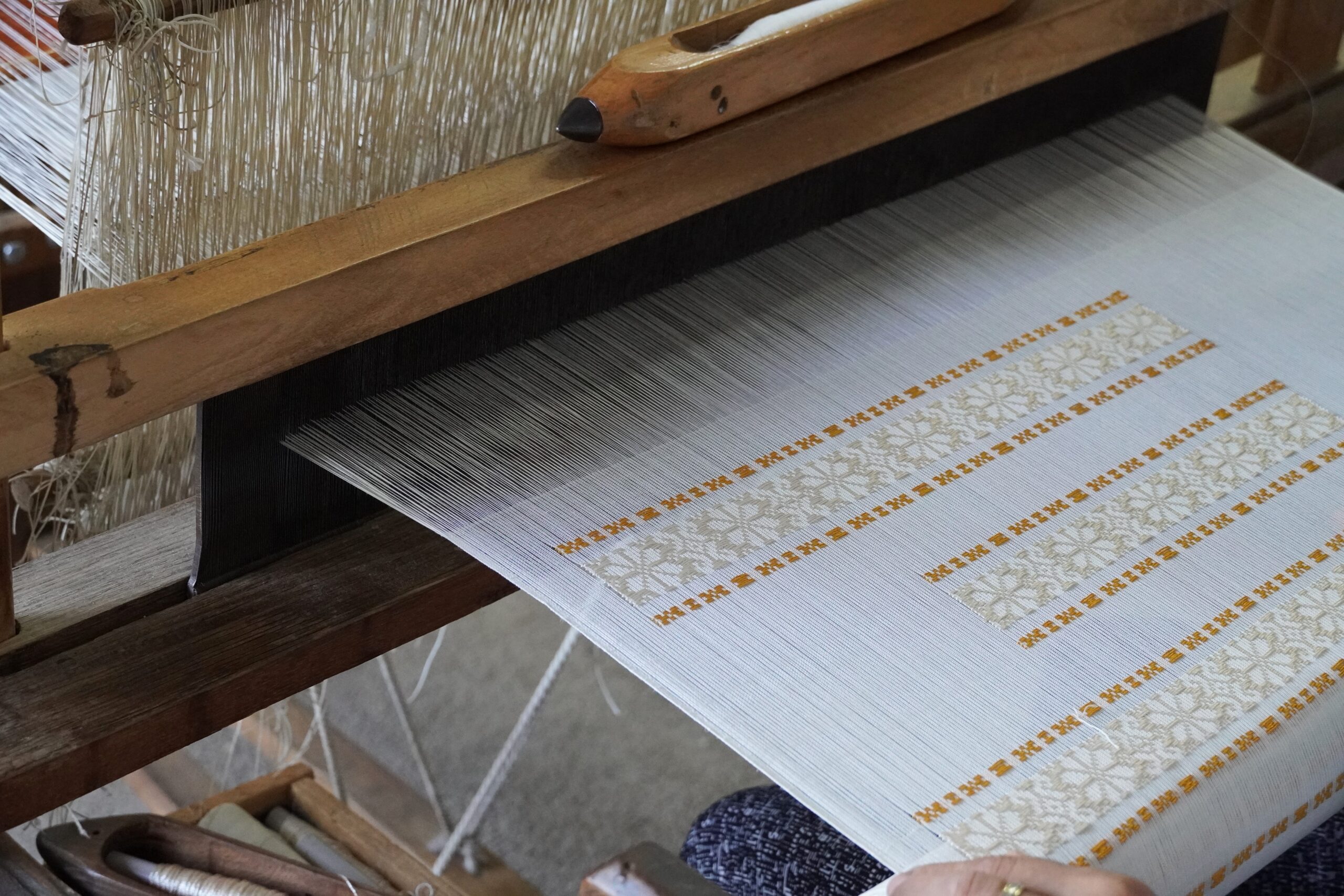
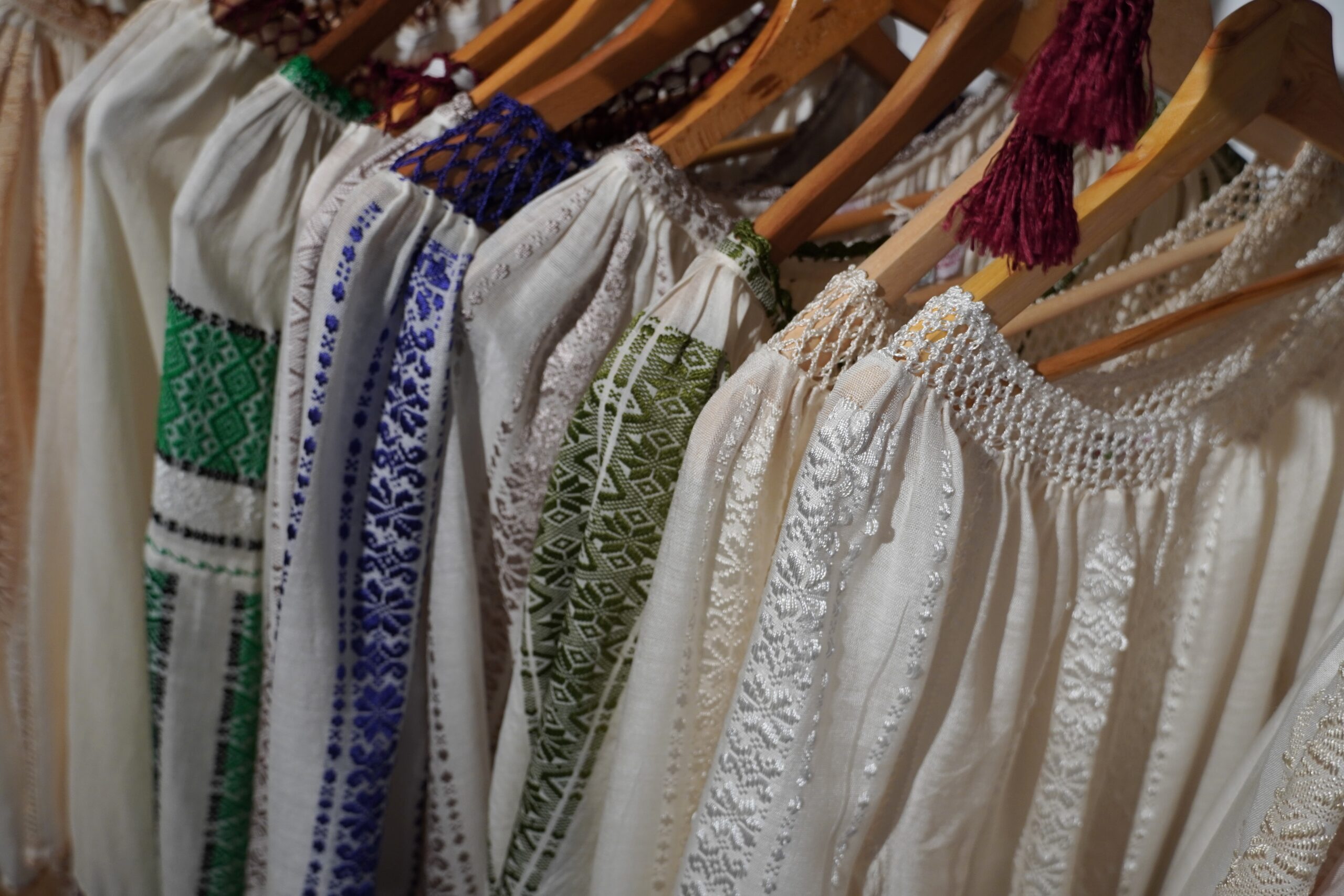
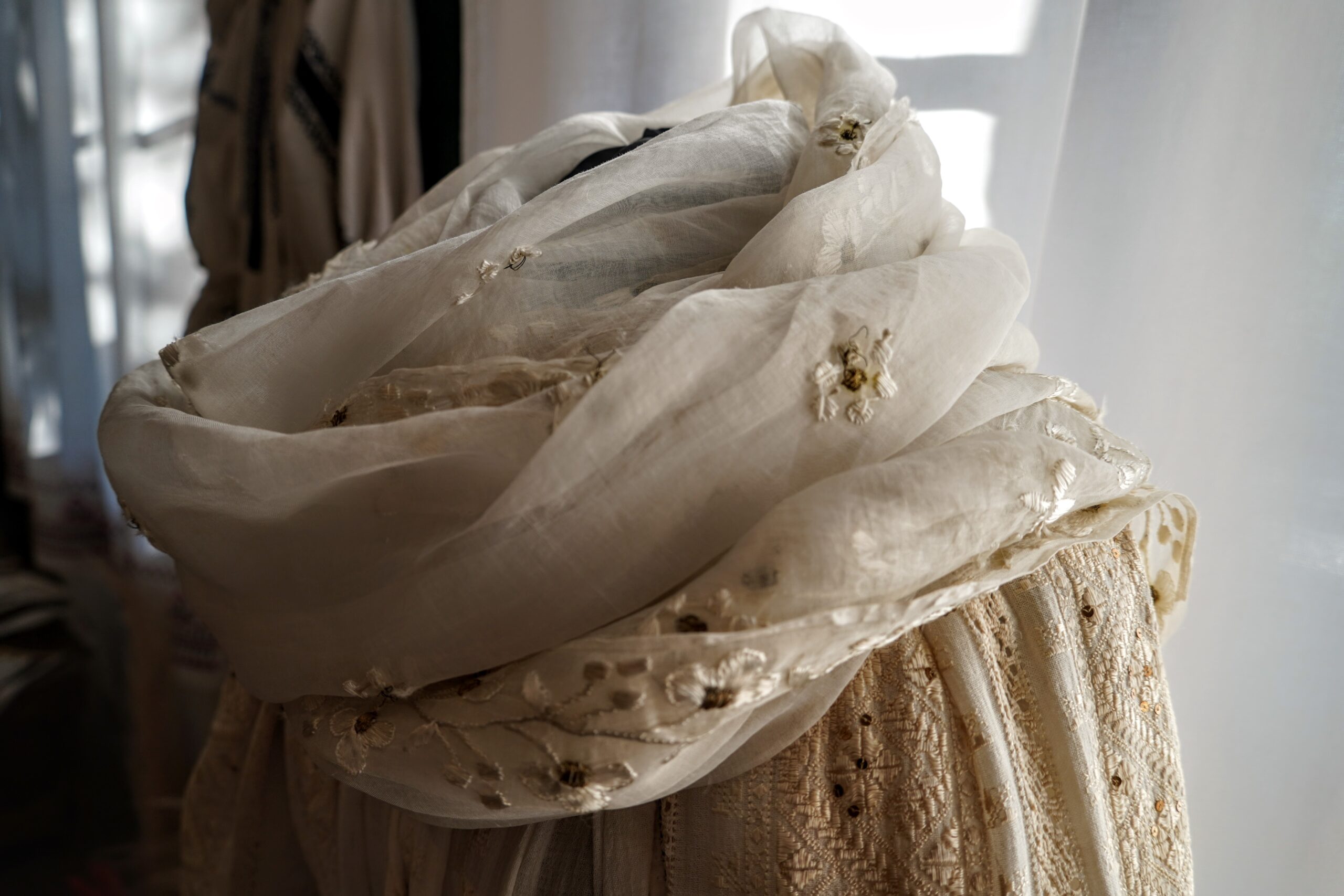
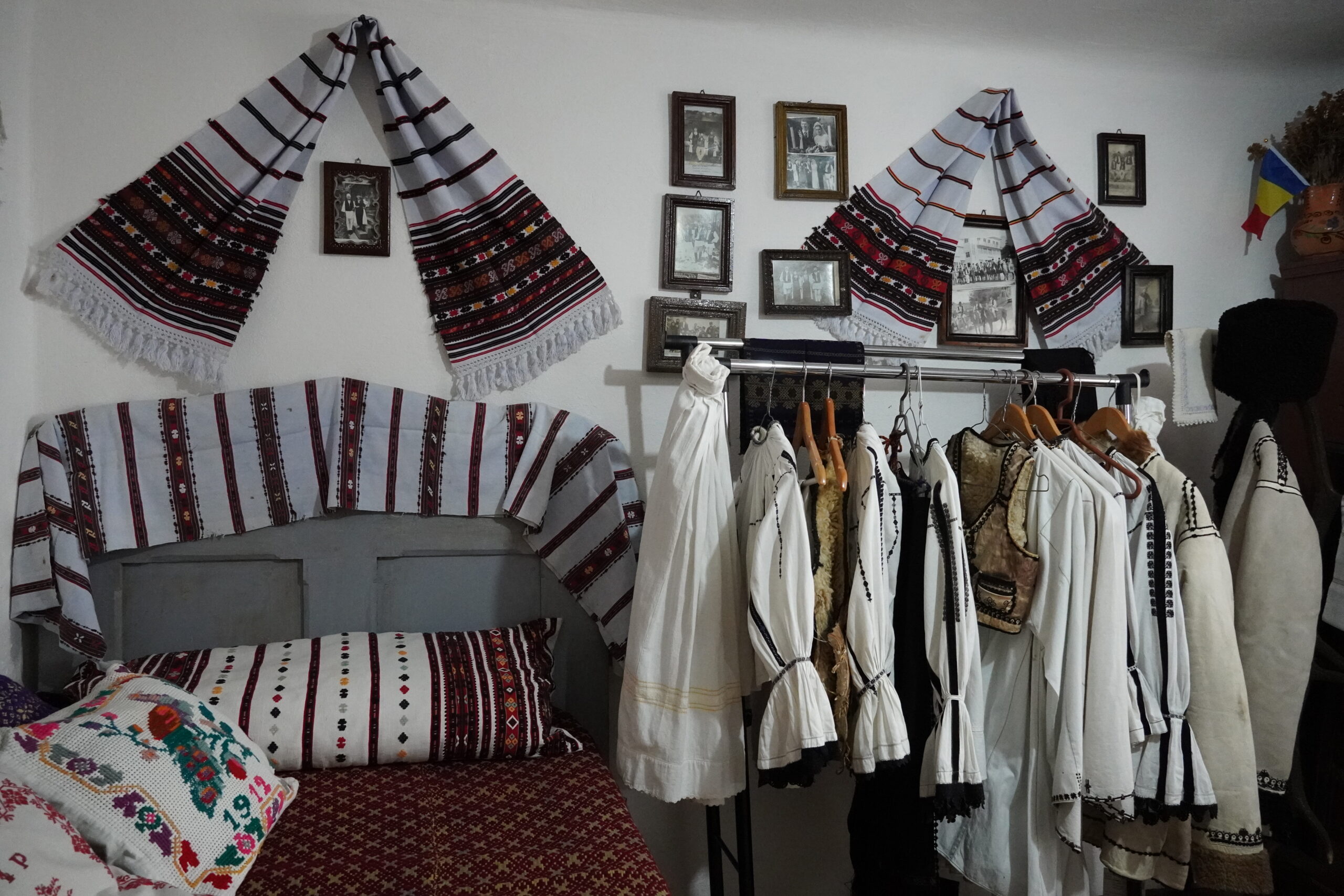
The women's traditional costume from Vâlcea consists of several pieces, each with its own significance and defined role. The most representative piece is "ia", the traditional blouse made from cotton, hemp, or linen fabric and adorned with abstract decorative motifs such as rhombuses, triangles, squares, or lines, as well as vegetal motifs like flowers and leaves. The color palette of the decorations includes a wide range of colors: black, red, mix of red and black, blue, or yellow. The traditional women’s outfit also includes "catrința," a woolen skirt woven on a loom, and "marama", a particularly elegant headscarf worn on the head.
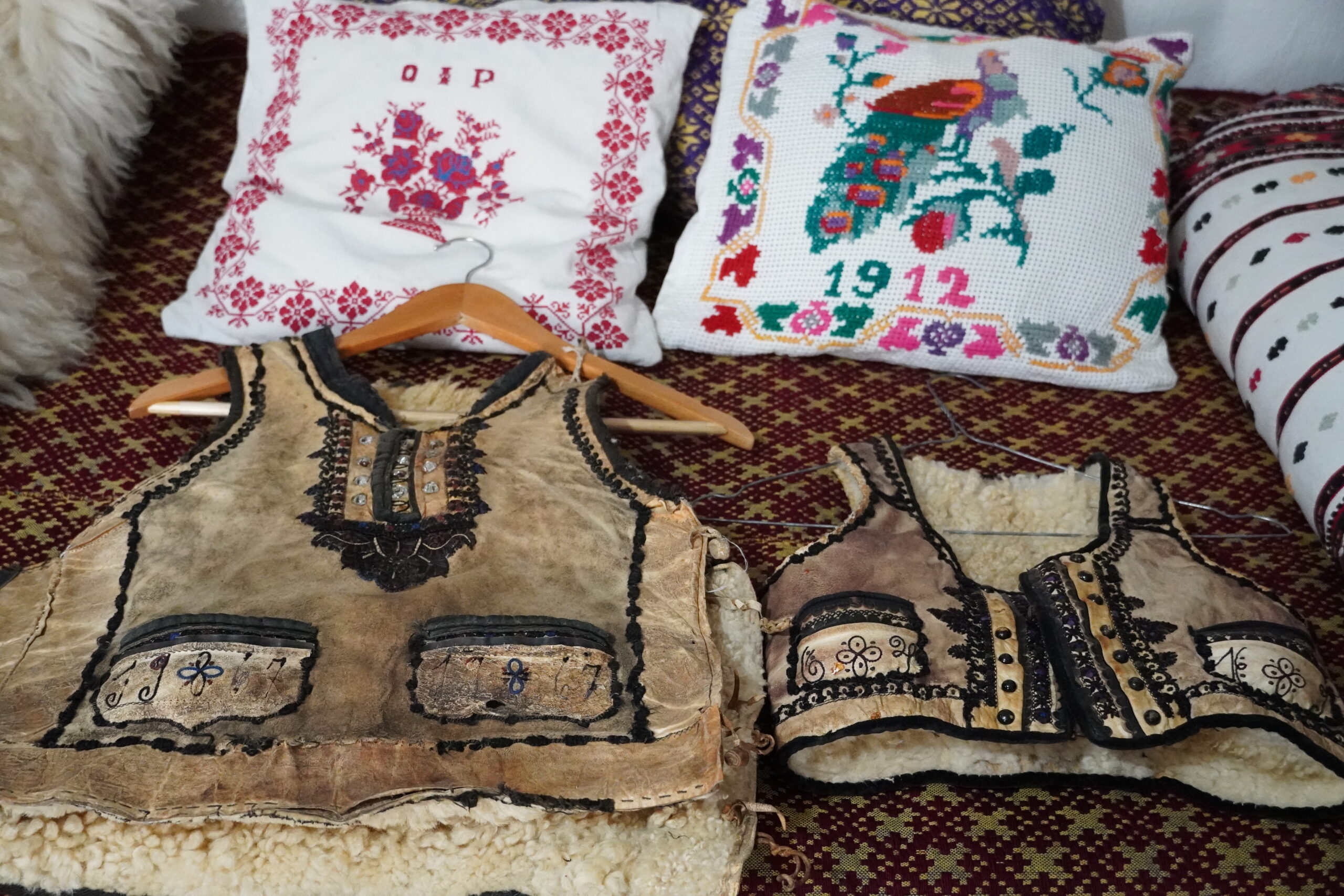
The men's folk costume from Vâlcea is simpler but maintains the same elements of refinement and authenticity. In addition to the traditional shirt, which in this case features more discreet embroidery, the men’s costume includes "ițari", traditional tight-fitting trousers made from white wool or cotton fabric. In winter, men would wear "cioareci," thick woolen trousers, along with sheepskin vests known as "cojoace."
The folk costume from Vâlcea County is a living expression of the region's cultural heritage and local traditions, preserved and passed down from generation to generation. These costumes reflect the history, beliefs, and values of the community, serving not only as a marker of regional identity but also as a form of folk art that continues to inspire and be cherished today.
A project financed with the support of the General Secretariat of the Government through SDC.


 English
  Romanian