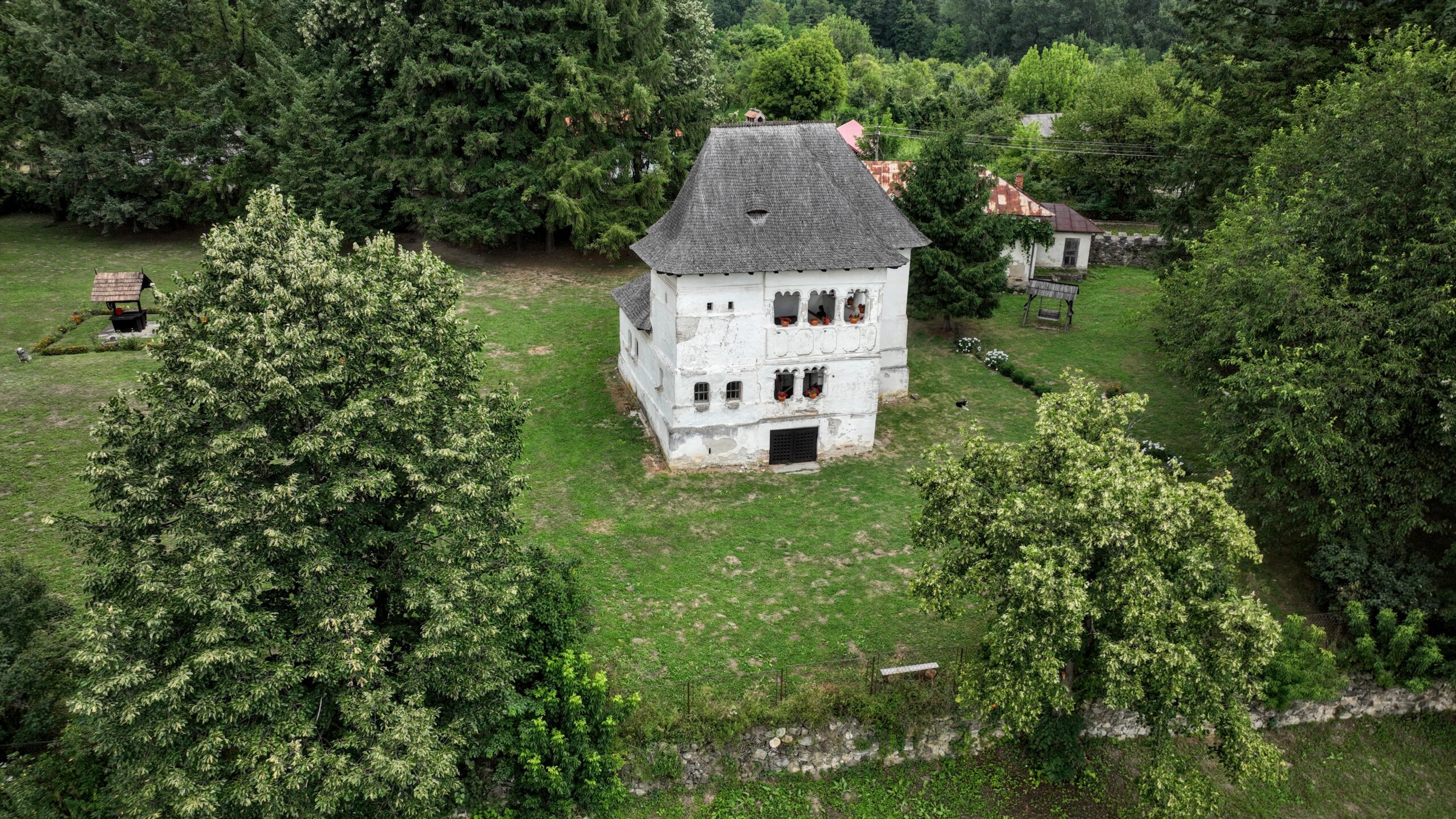
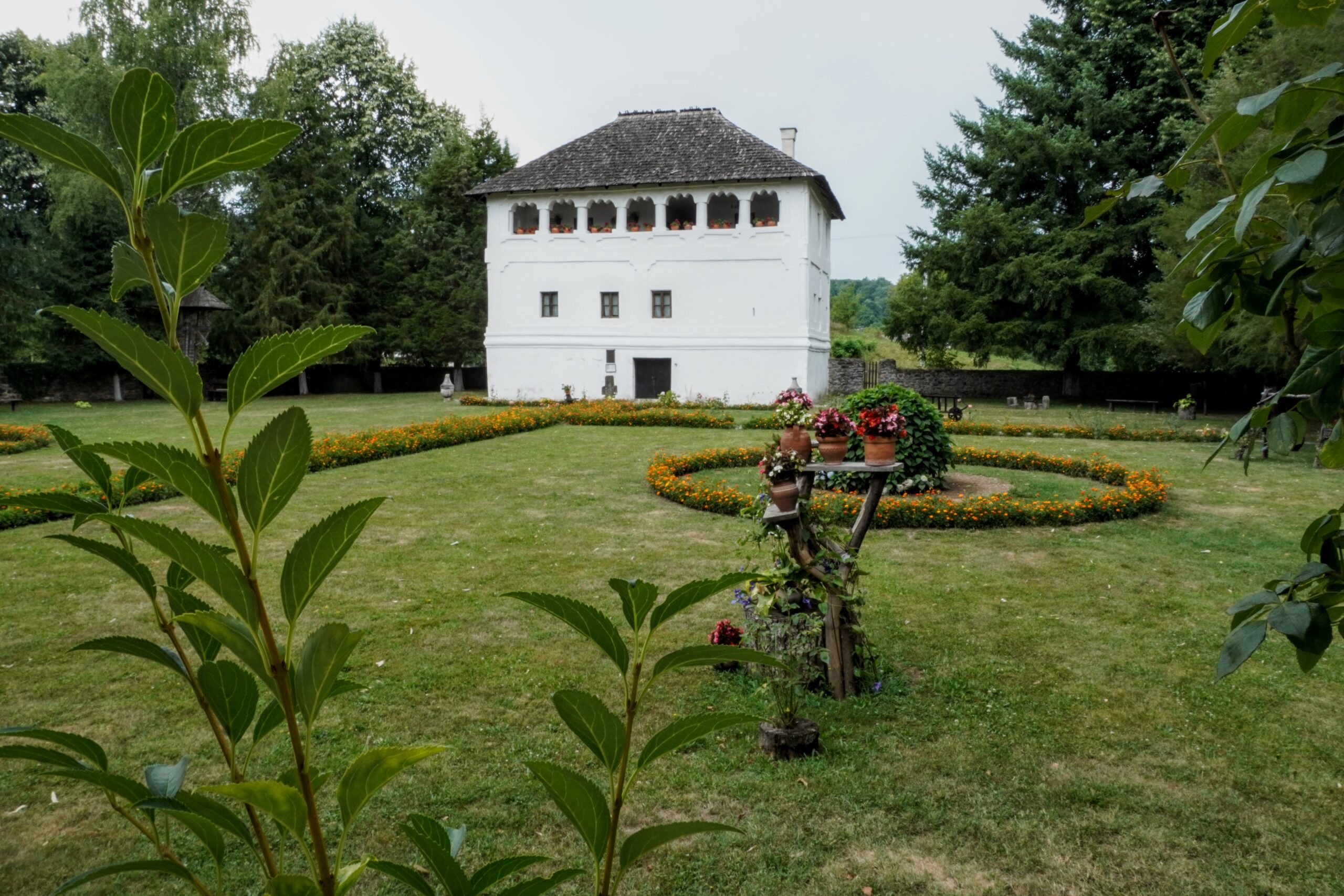
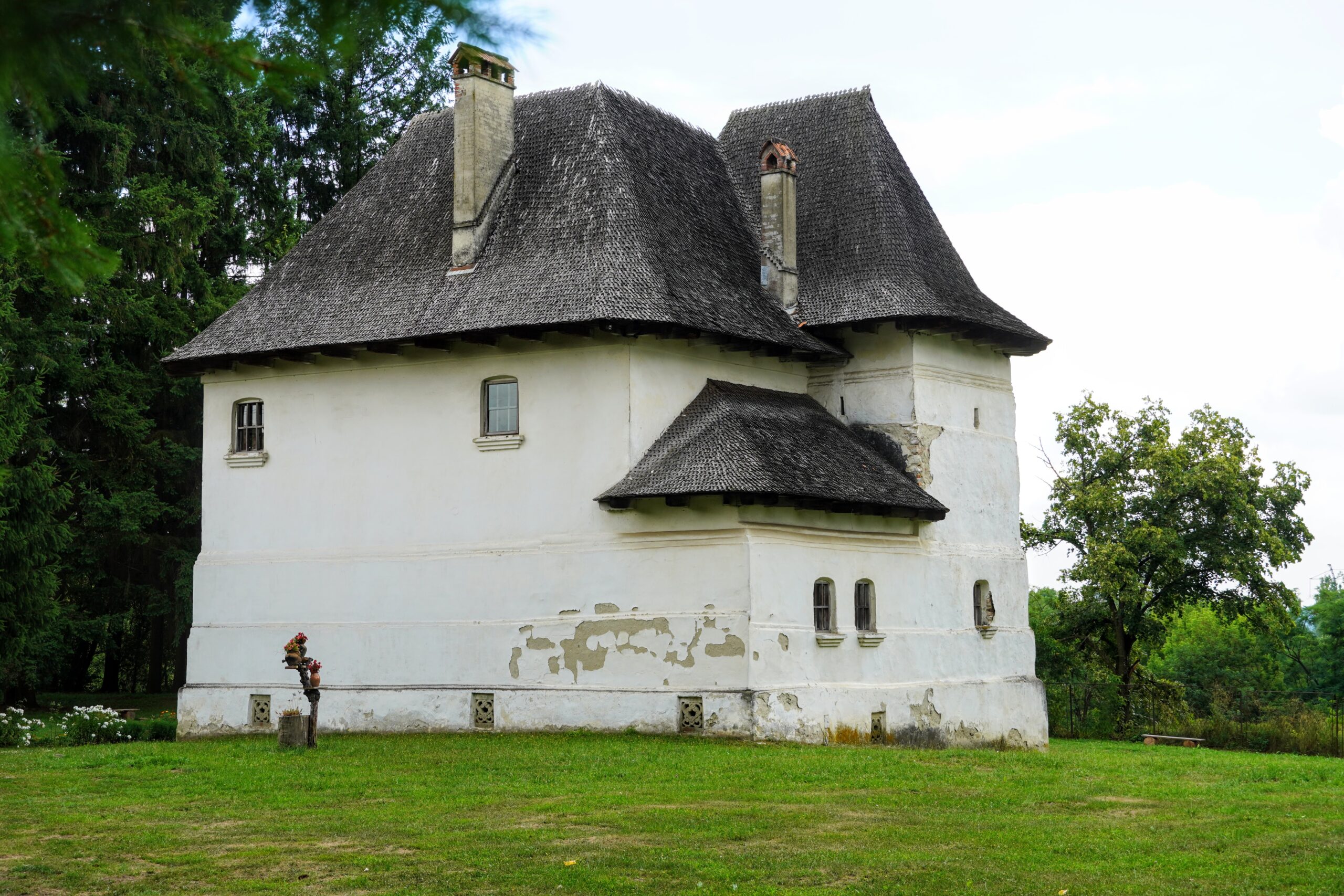
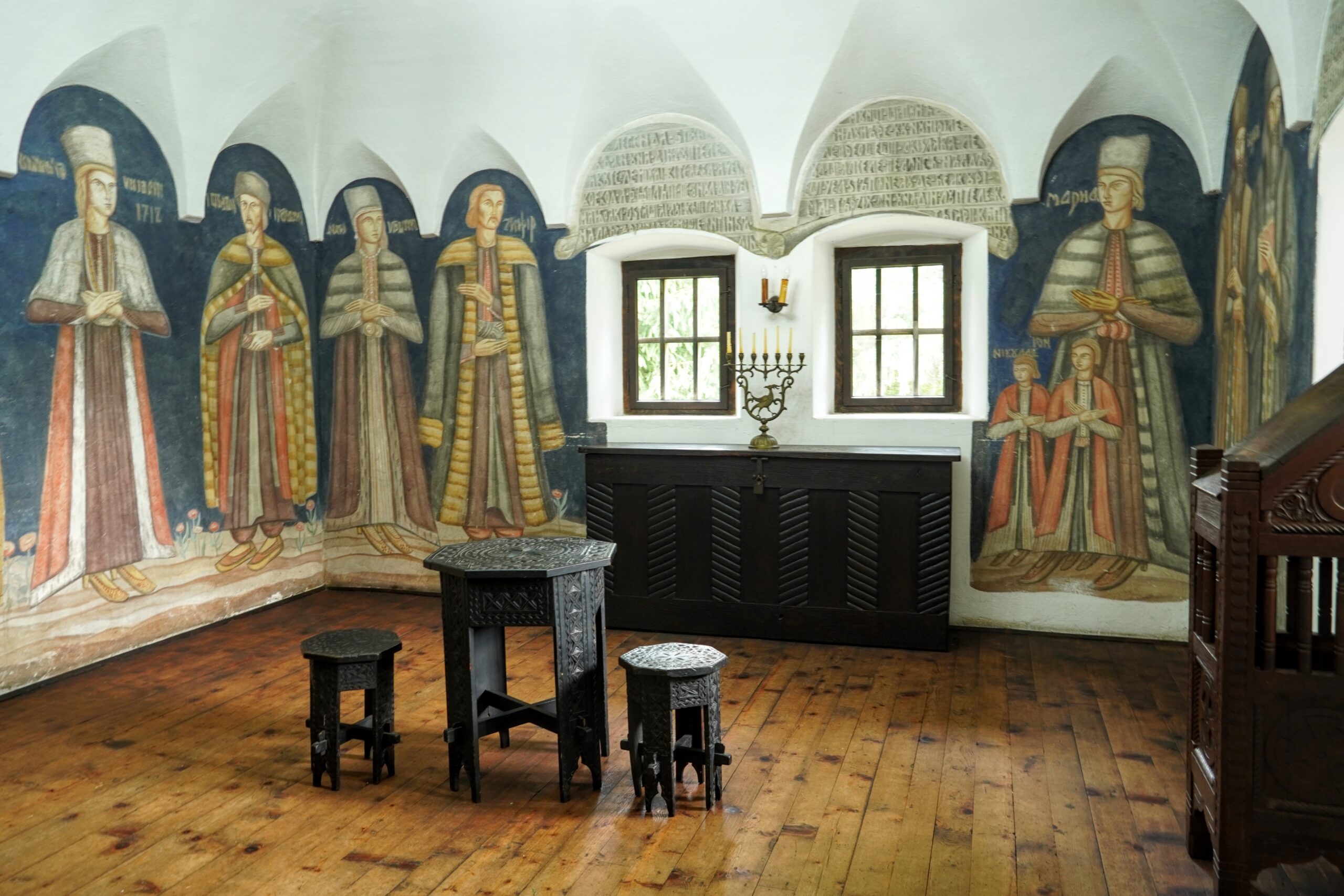
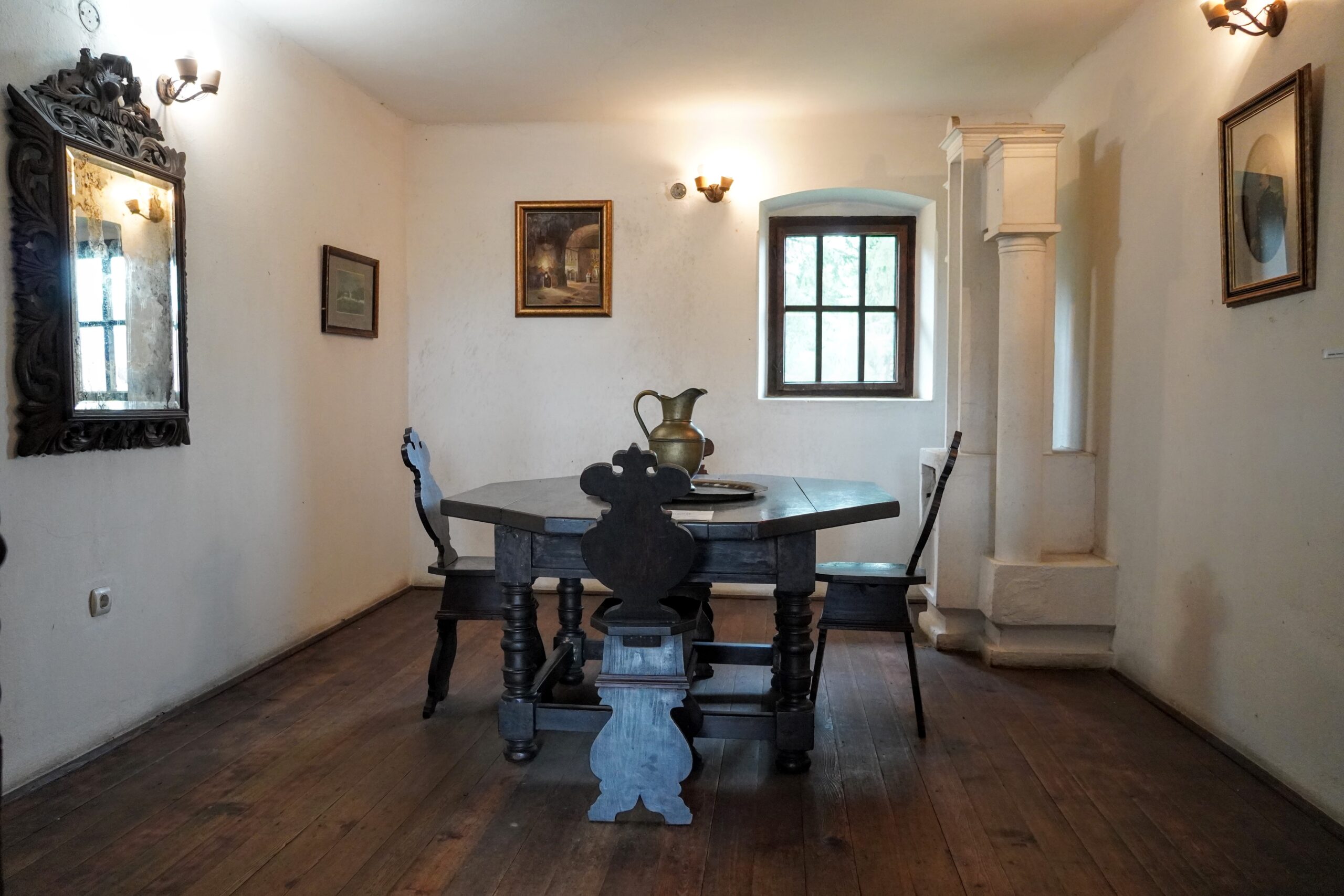
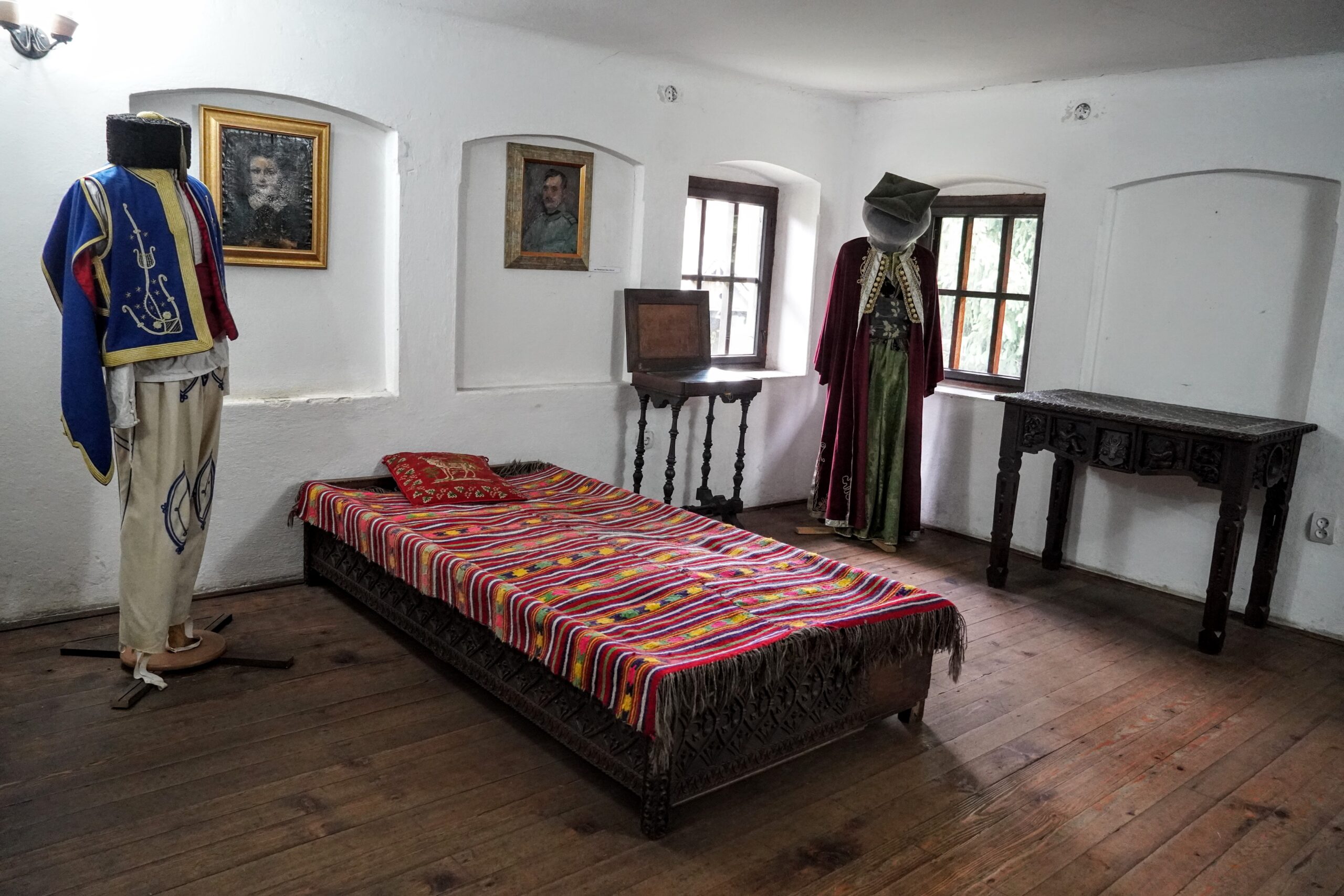
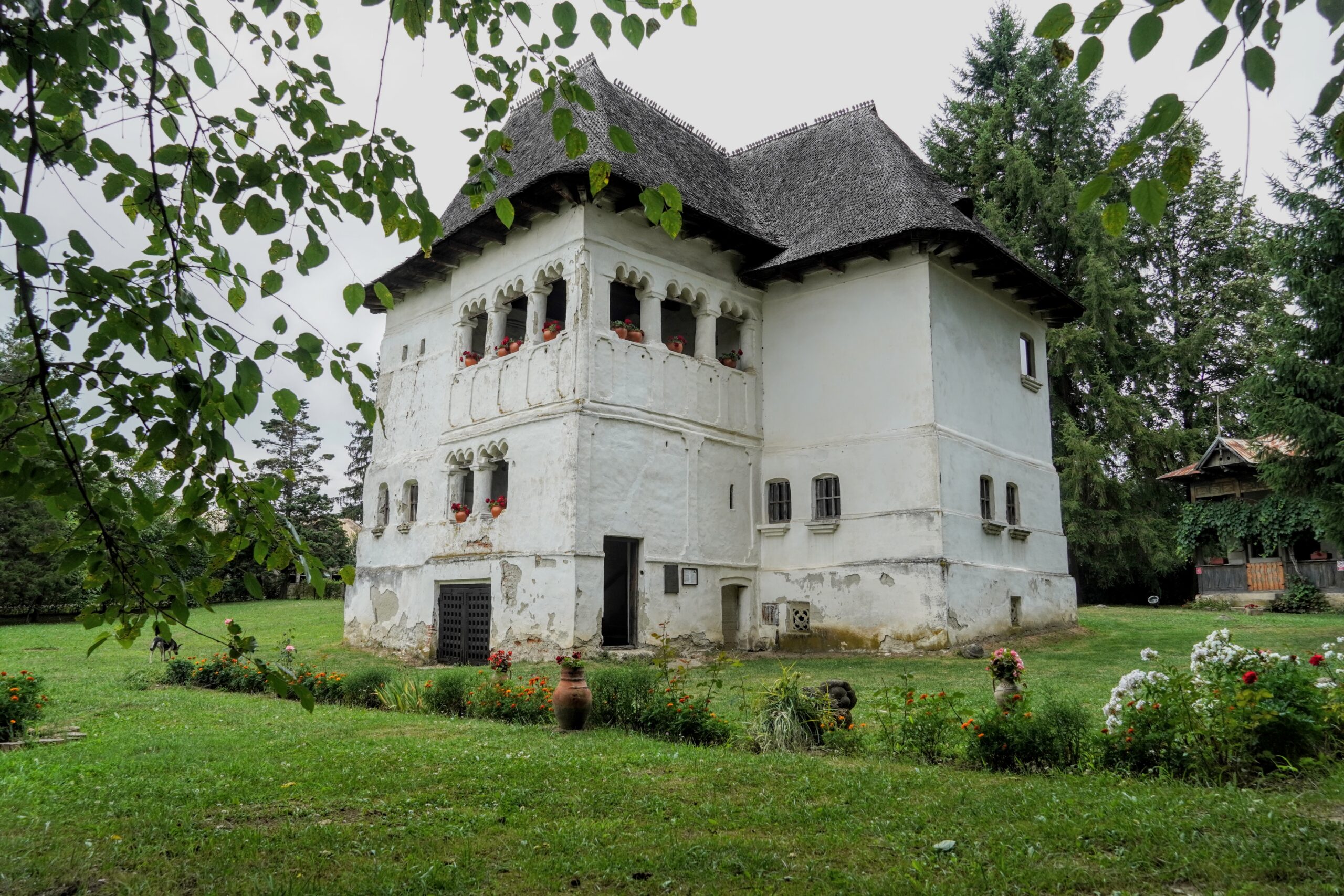
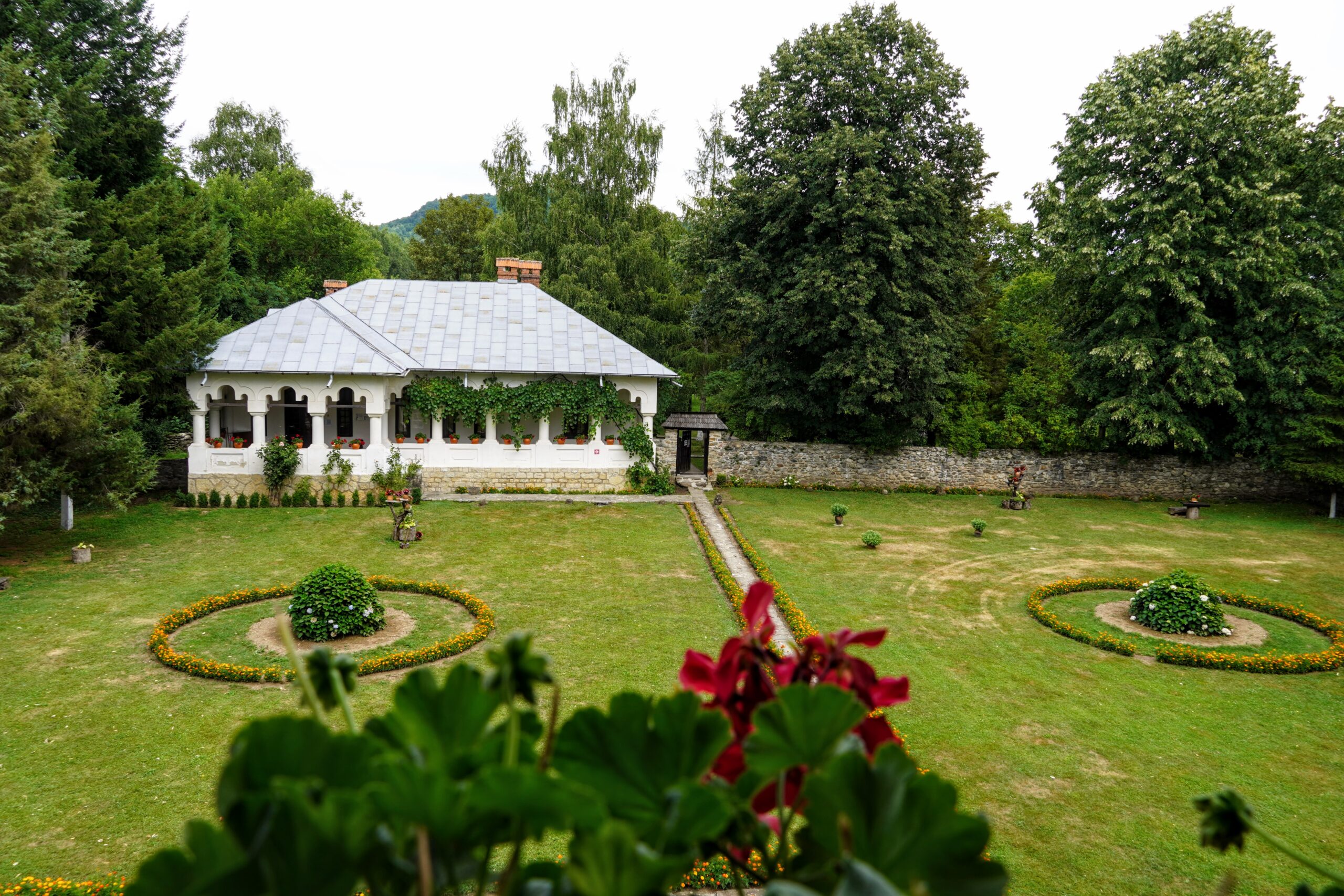
The Fortified Manors from Măldărești form a remarkable architectural complex located near the town of Horezu, serving as a major tourist attraction in the region. Named “cule” in the local language, these fortified tower-houses, known for their defensive function as well as their architectural elegance, combine elements of traditional Romanian style with Oriental influences.
The Măldărești Museum Complex includes two such edifices that have been restored and transformed into a museum, “Cula Duca” and “Cula Greceanu”, the latter being the oldest in the country (its tower dating back to 1516). Additionally, there is a memorial house dedicated to the politician I. Gh. Duca.
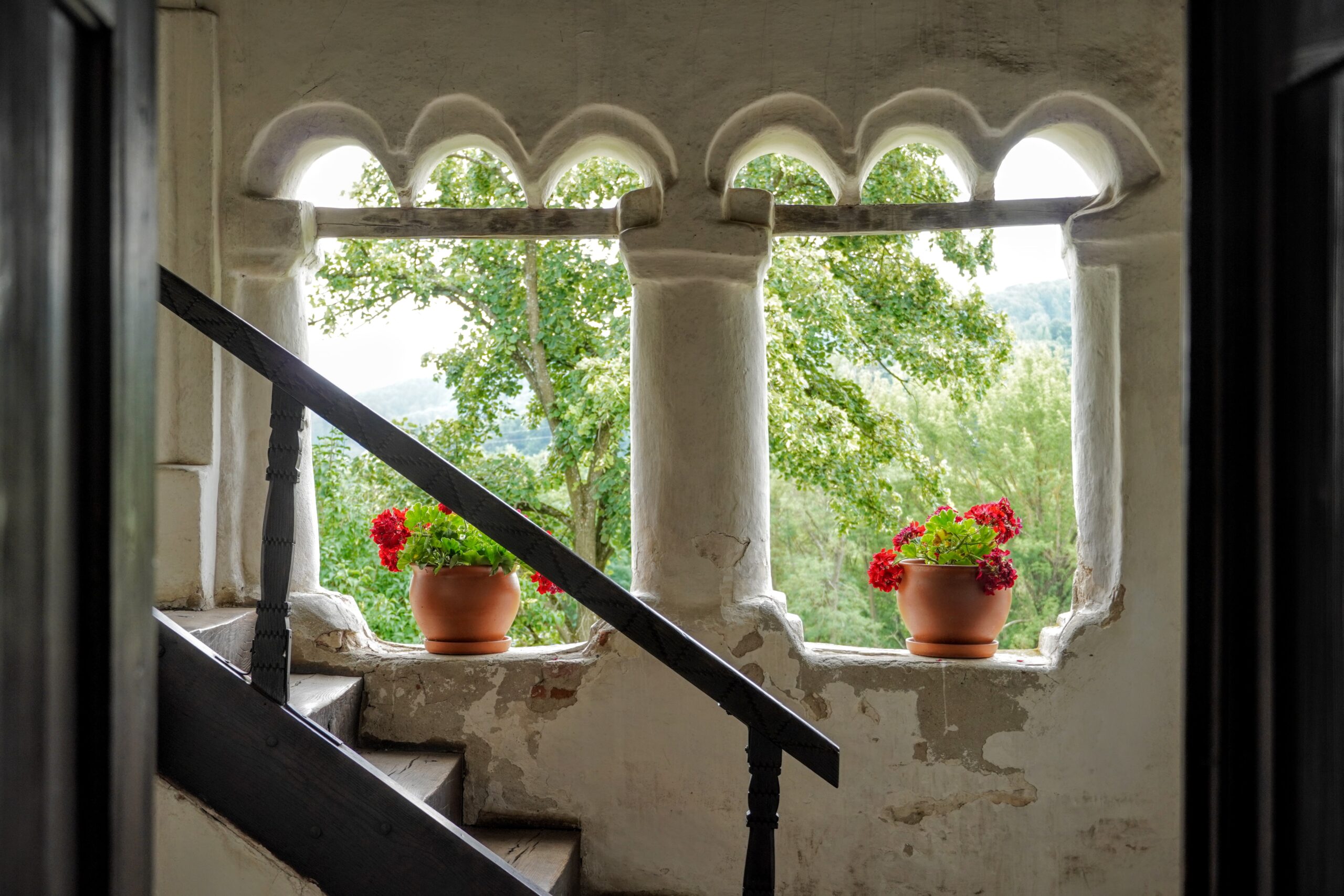
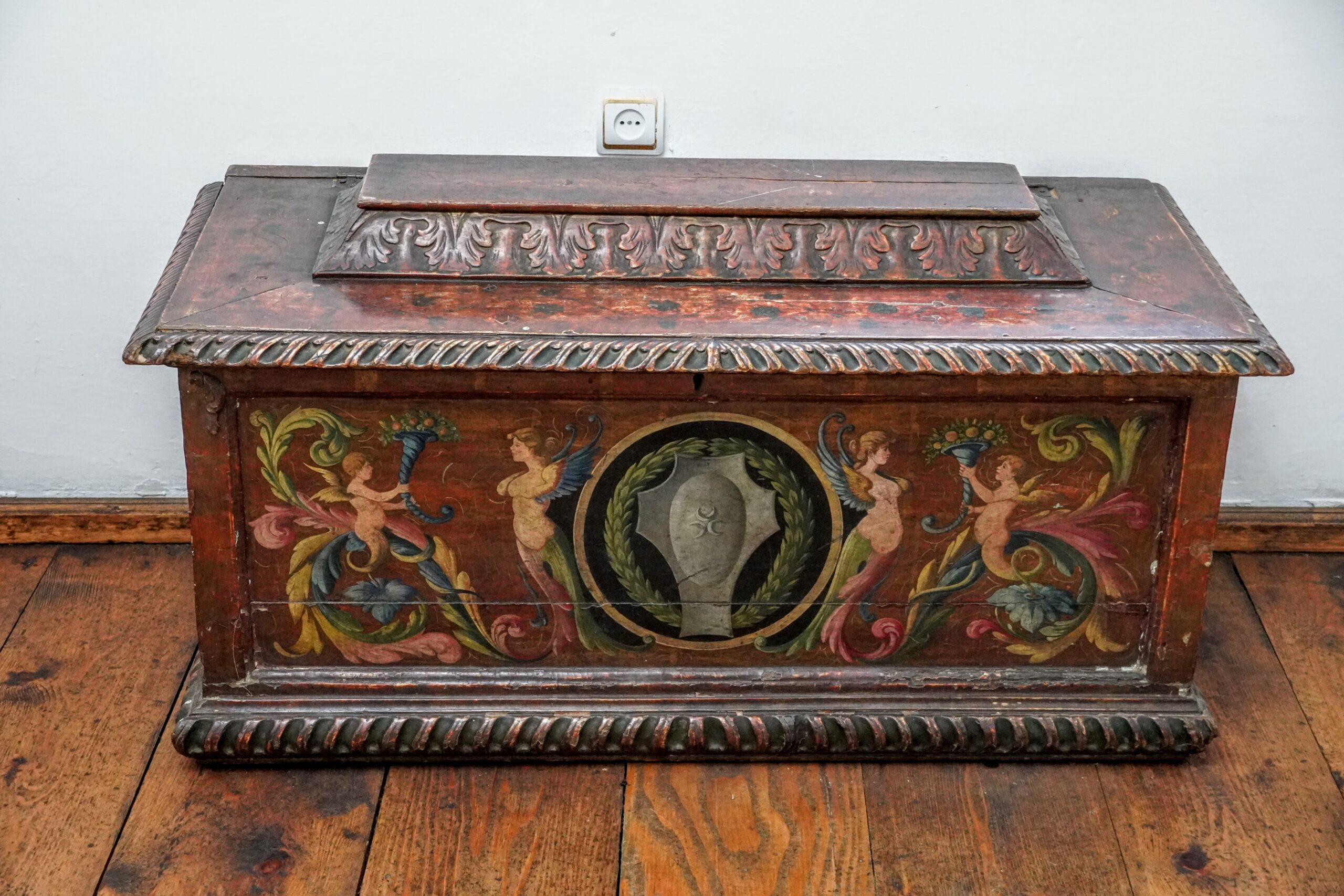
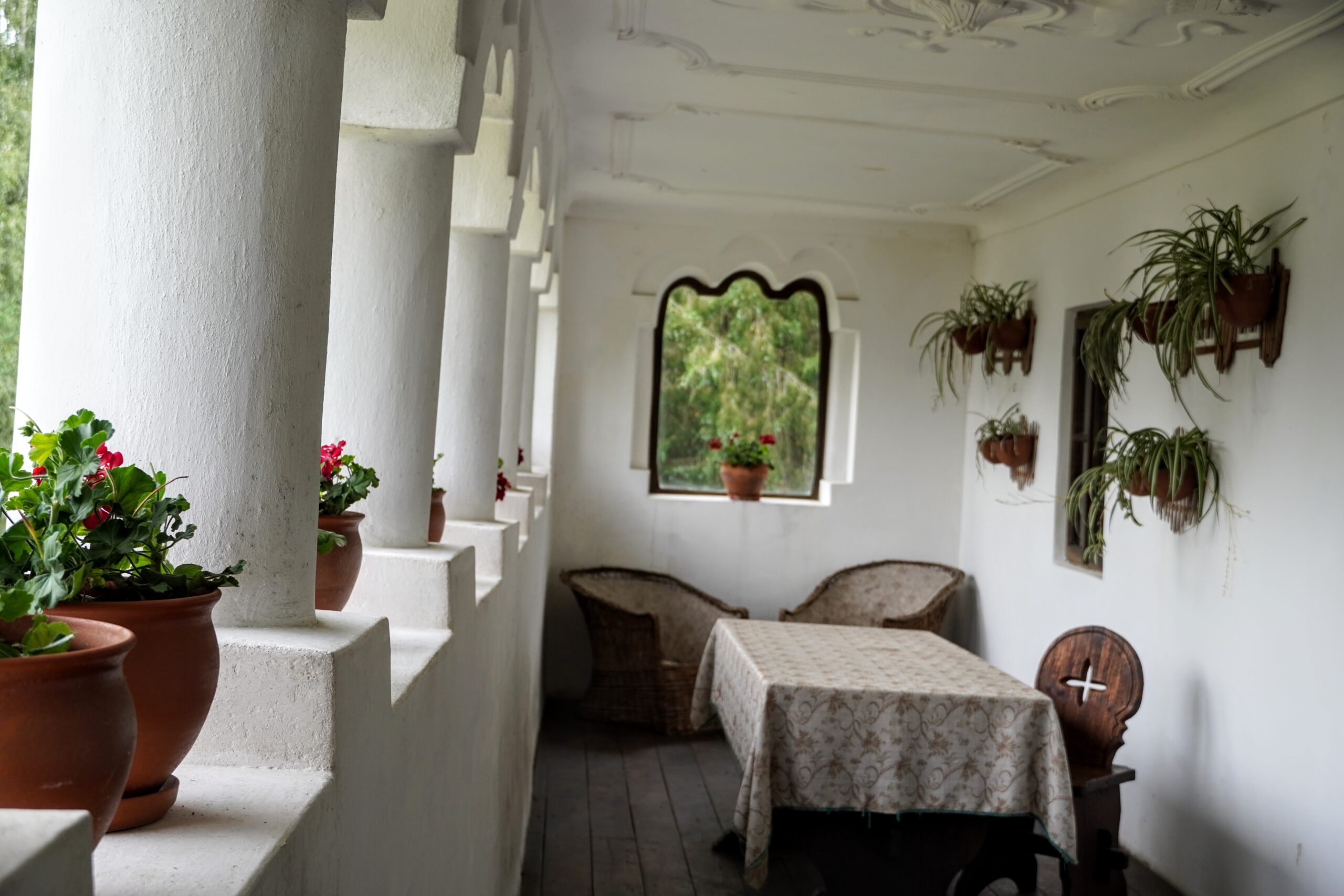
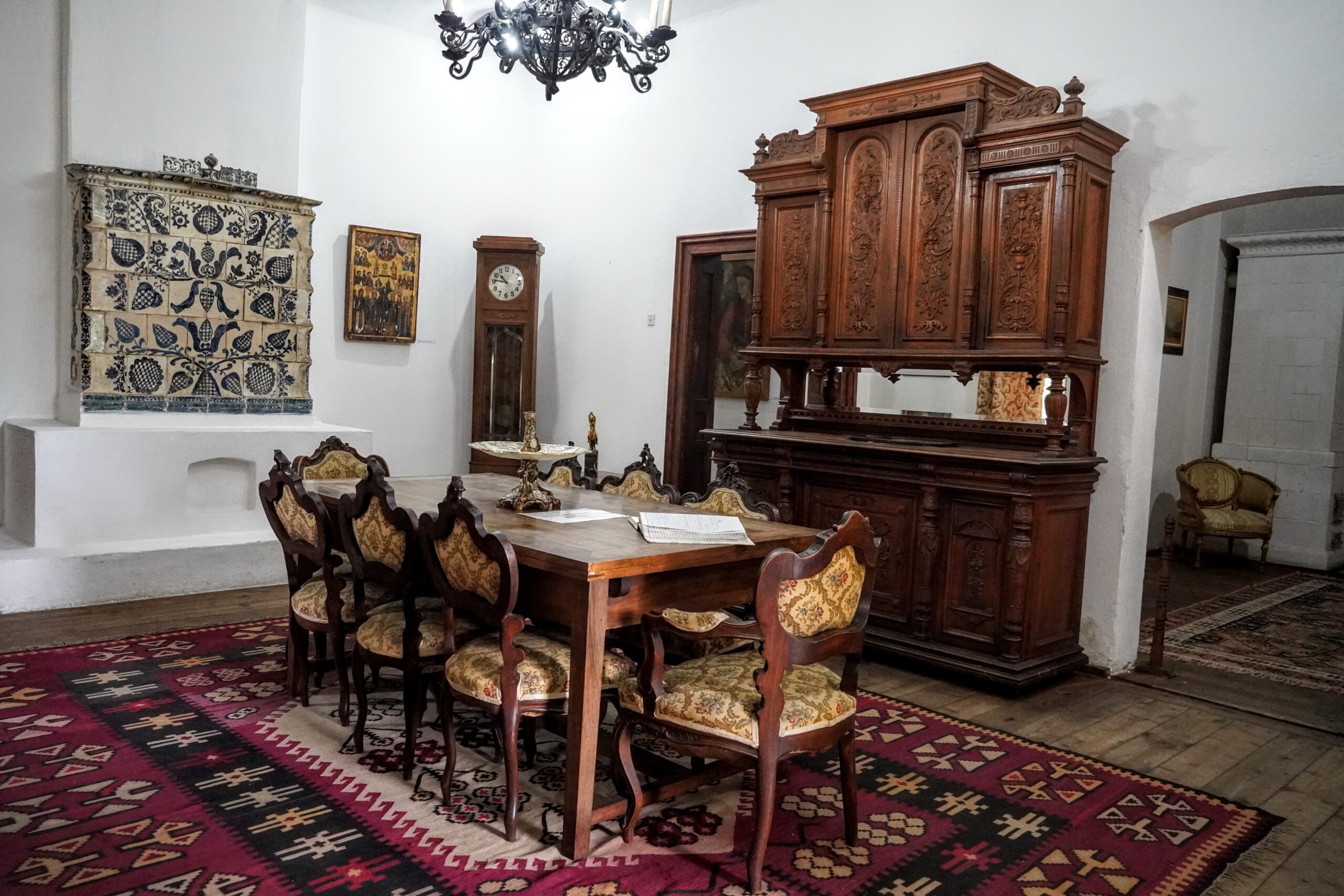
The fortified manors were built from stone over several levels, with the top floor used as a hiding place during Ottoman invasions. They featured thick walls, narrow windows, and various defensive elements such as crenellations - slits in the walls through which firearms could be fired. Over time, these edifices evolved into noble residences, retaining their defensive role but incorporating elements of comfort and style, including stoves specific to the region, trilobed arches in “Brâncovenesc style”, floral and zoomorphic decorations, Oltenian rugs, and local ceramics.
The fortified manors from Măldărești are a rare example of rural fortified architecture in Romania and represent an important cultural heritage. Visiting this complex offers a unique insight into noble life and the historical context in which these structures were built.
A project financed with the support of the General Secretariat of the Government through SDC.


 English
  Romanian