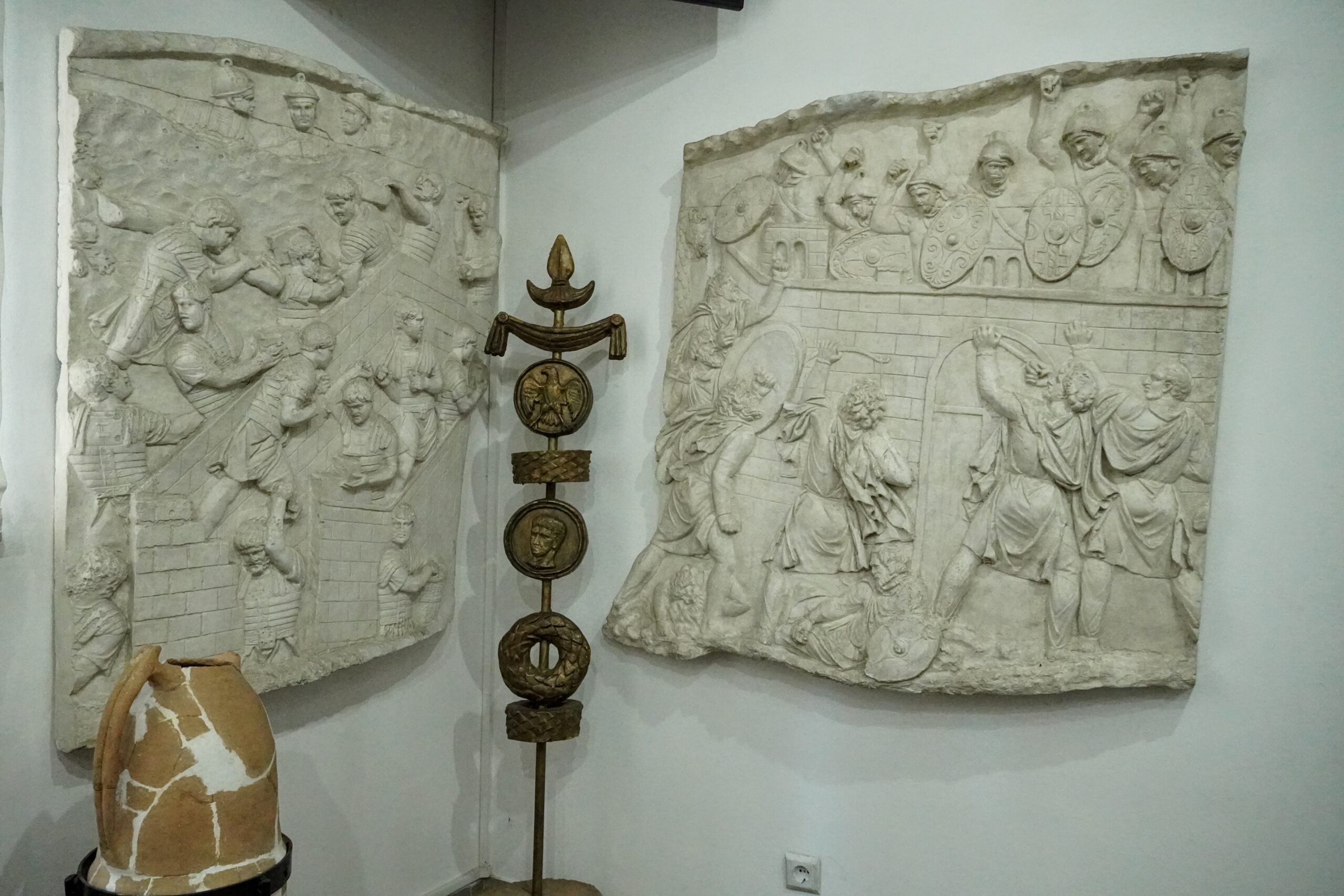
The Vâlcea County History Museum, established in the 1950s and expanded in 1968, is dedicated to preserving and promoting the historical heritage of Vâlcea County. Visitors can enjoy a captivating journey through the region's past, from prehistory to the modern and contemporary eras.
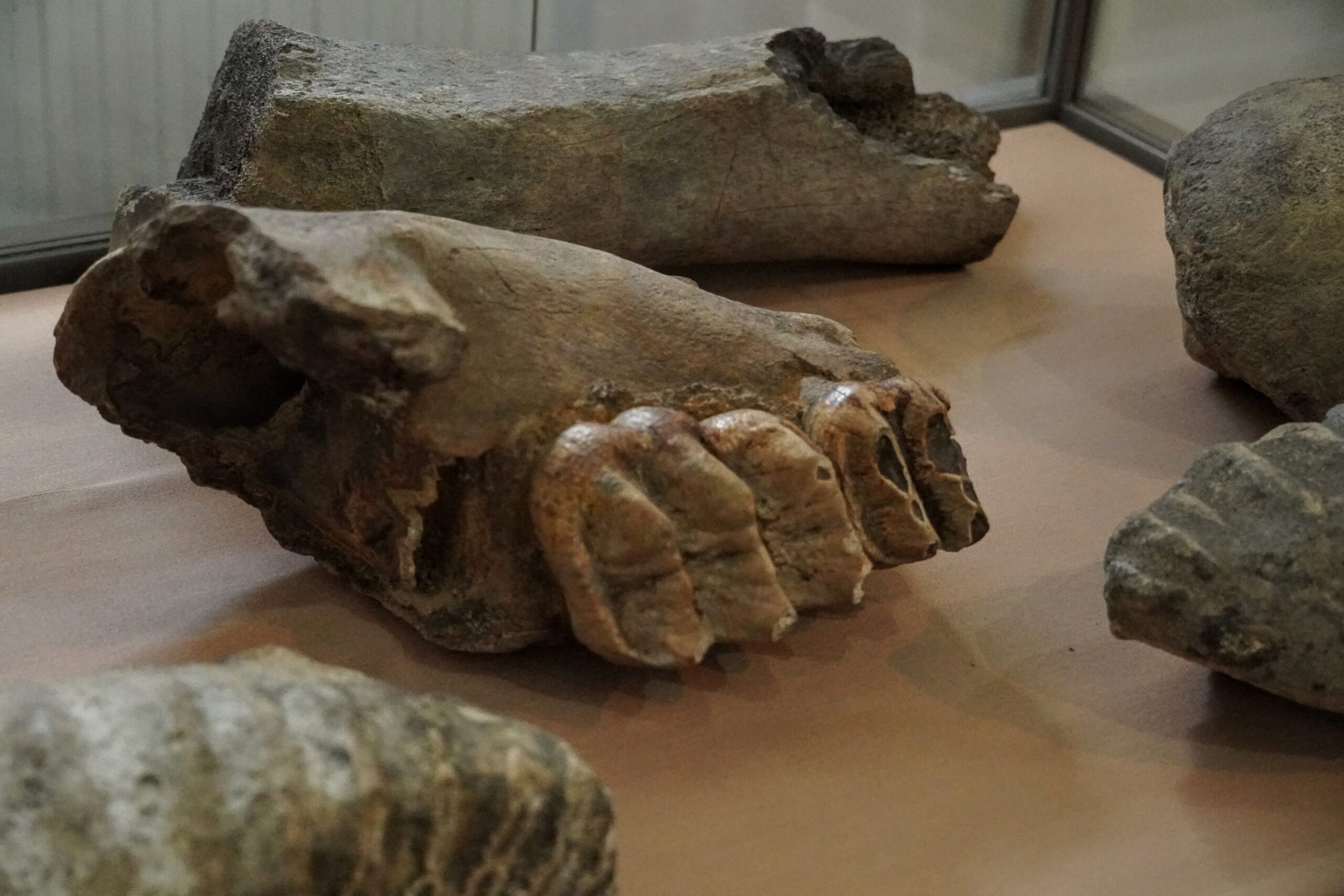
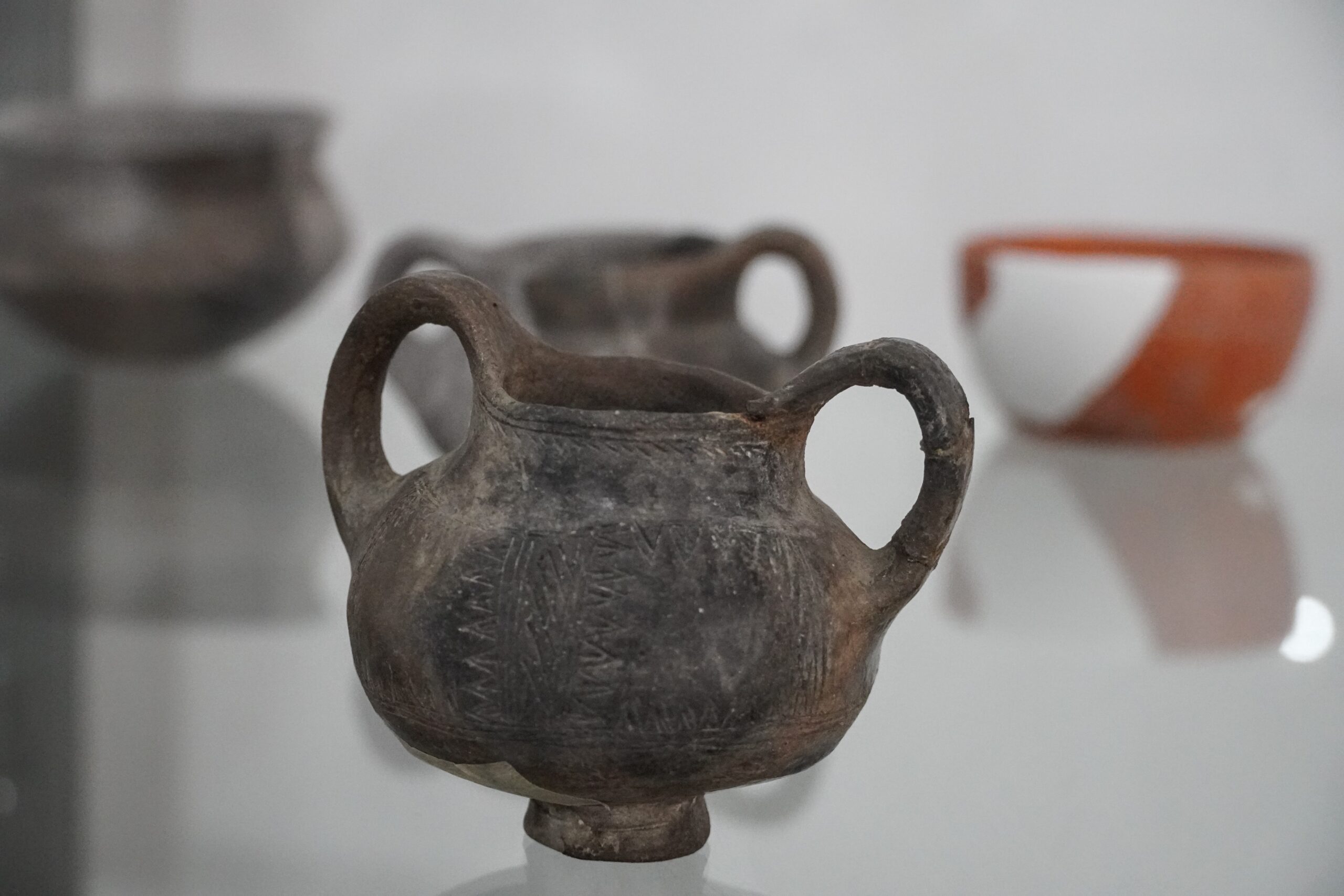
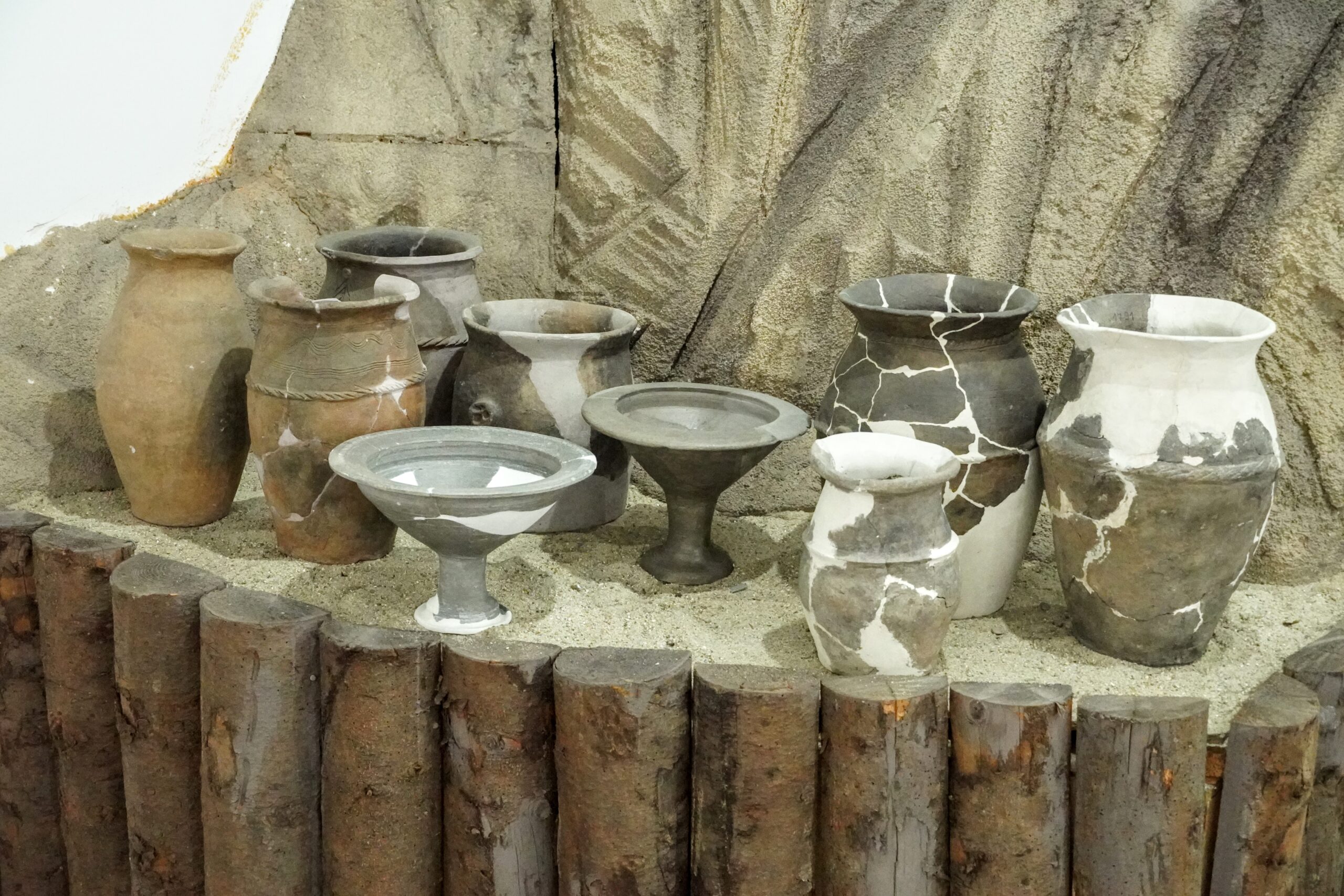
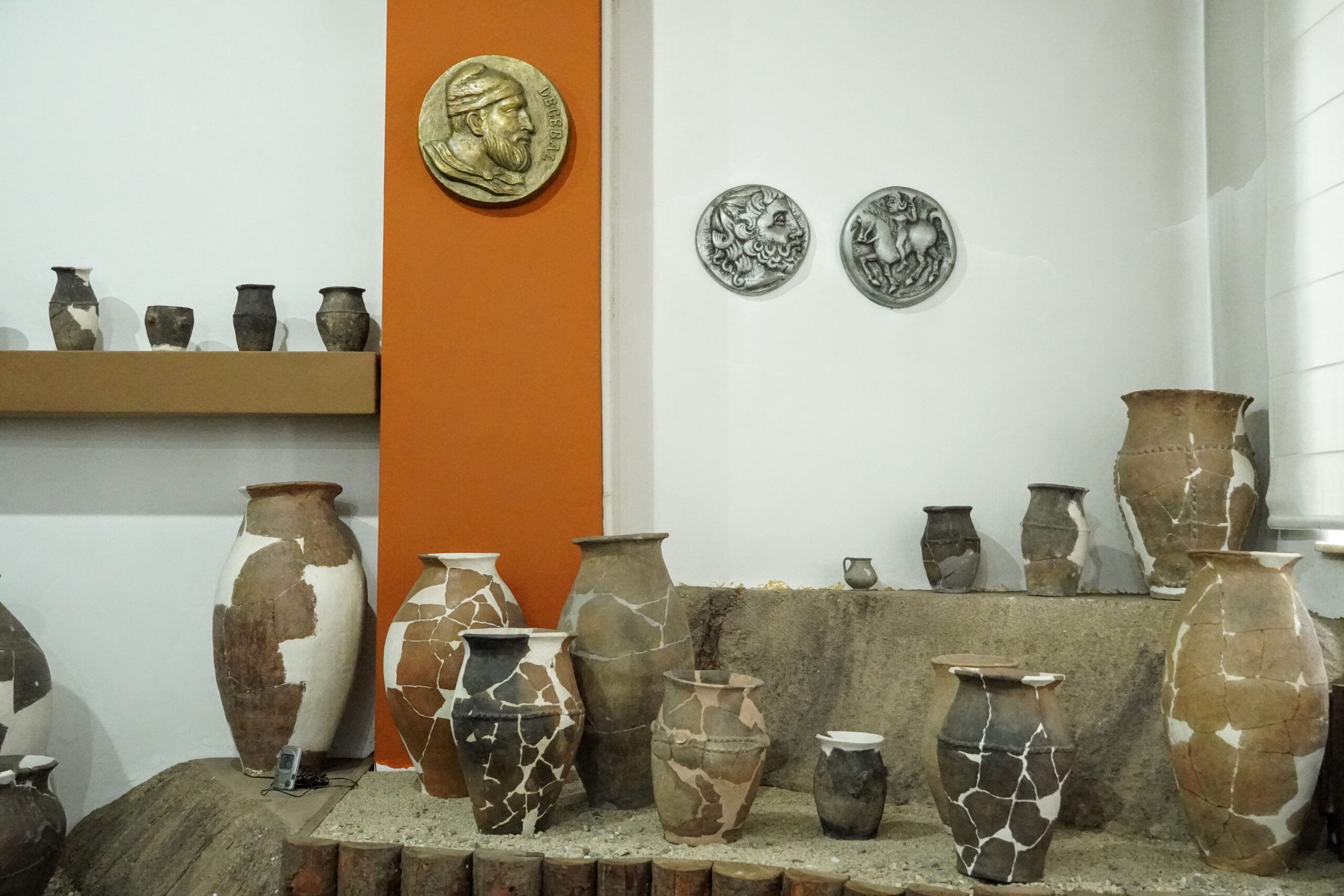
The museum is organized over two levels, ground floor and first floor, with two main themes: archaeology and history. The archaeology section begins on the ground floor with the Paleolithic and Neolithic periods, represented by mammoth fossils, anthropomorphic and zoomorphic figurines, and painted pottery. The Eneolithic - the Stone and Copper Age follows, showcasing the first evidence of salt extraction in the area and then it continues with the Bronze and Iron Ages, illustrated through funerary urns, weapons, swords and disc axes.
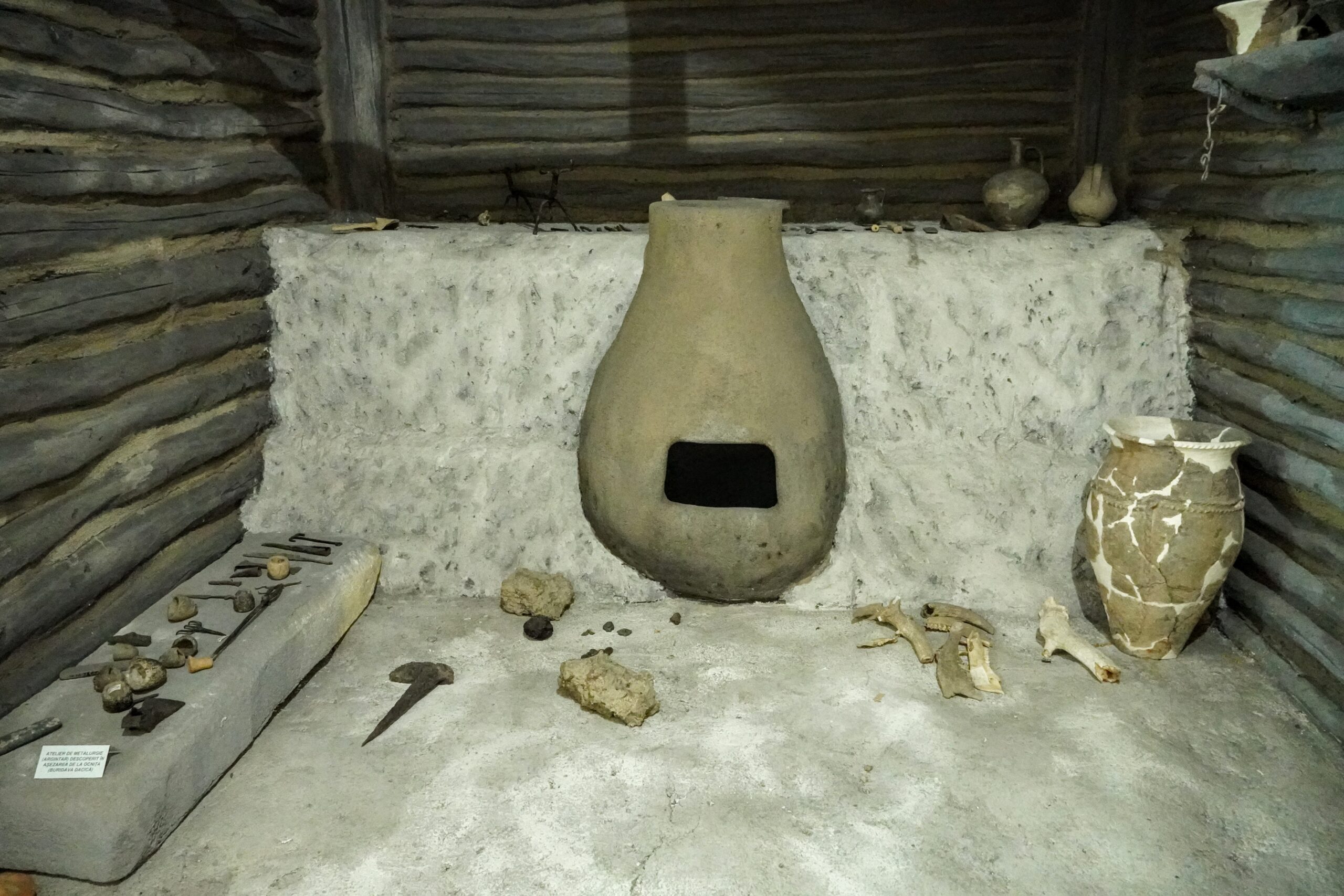
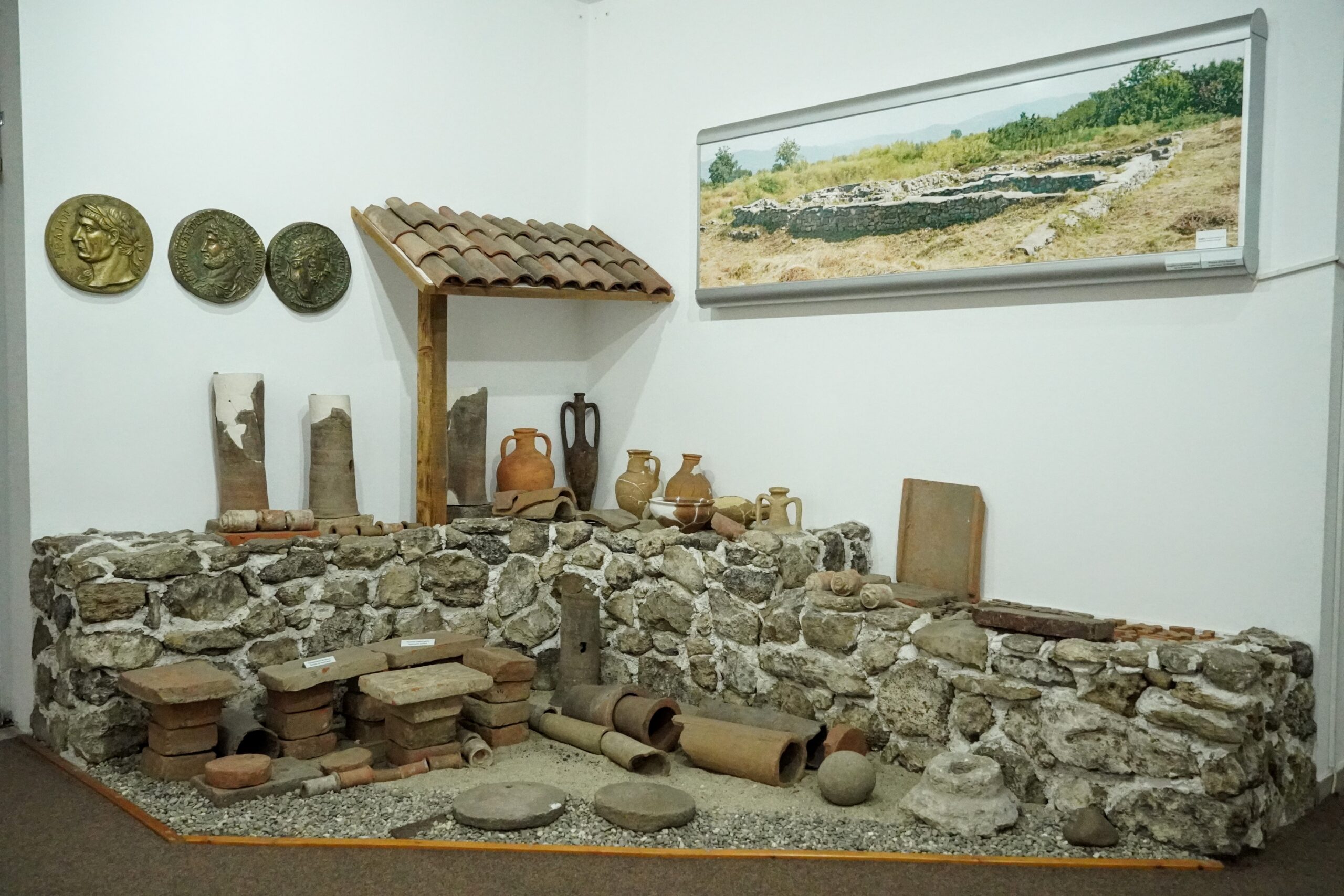
From the ancient period and the Dacian fortification of Buridava, the capital of the Buridavenses tribe, there are exceptional metal artifacts on display. The central pieces include the bronze mask from Ocnița, unique in Romania, and the inscription “Basileos Thiamarkos epoiei.” The ground floor also features items from Roman Buridava, such as bricks stamped with the names of Roman legions, luxury ceramics, and objects used in cosmetic activities.
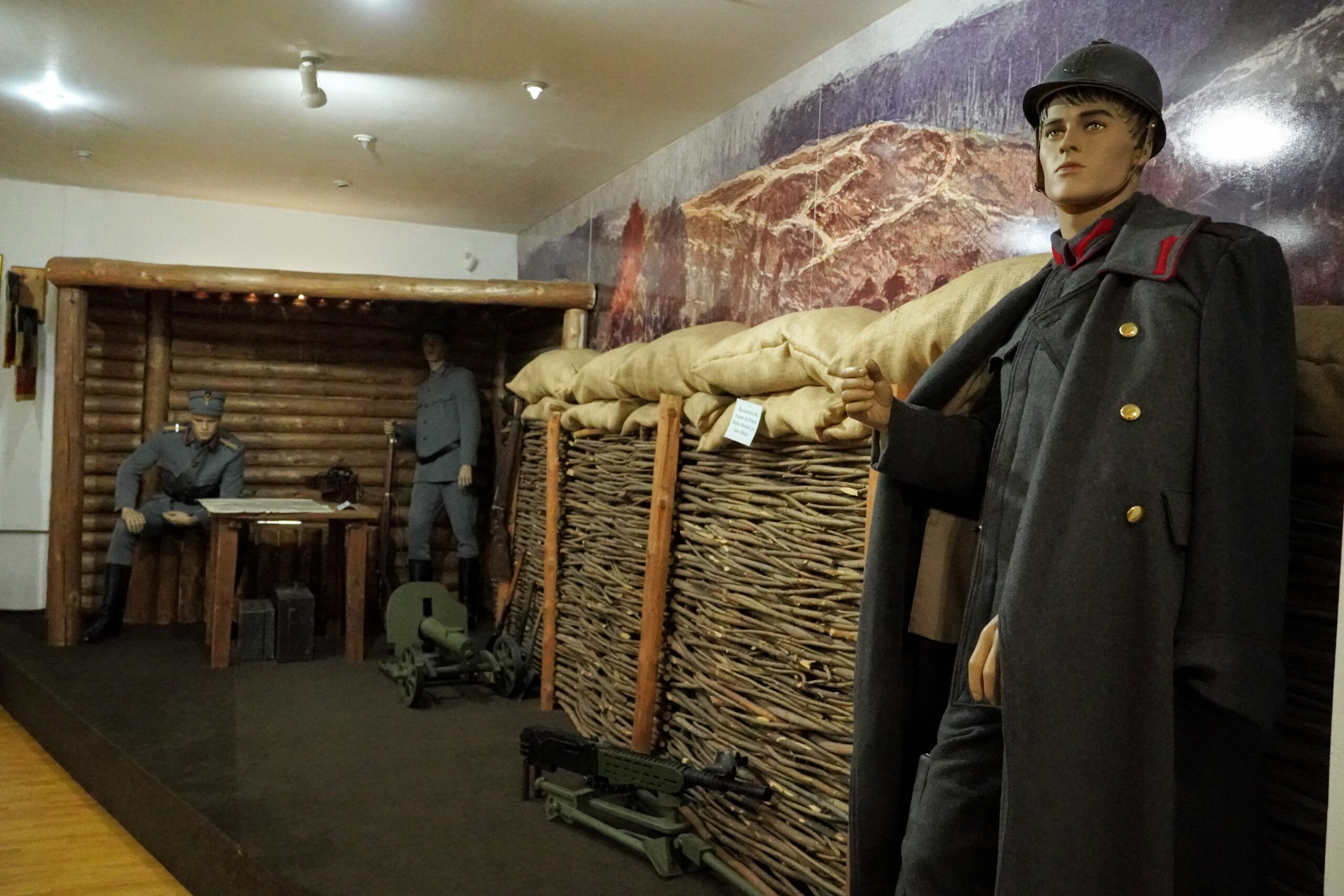
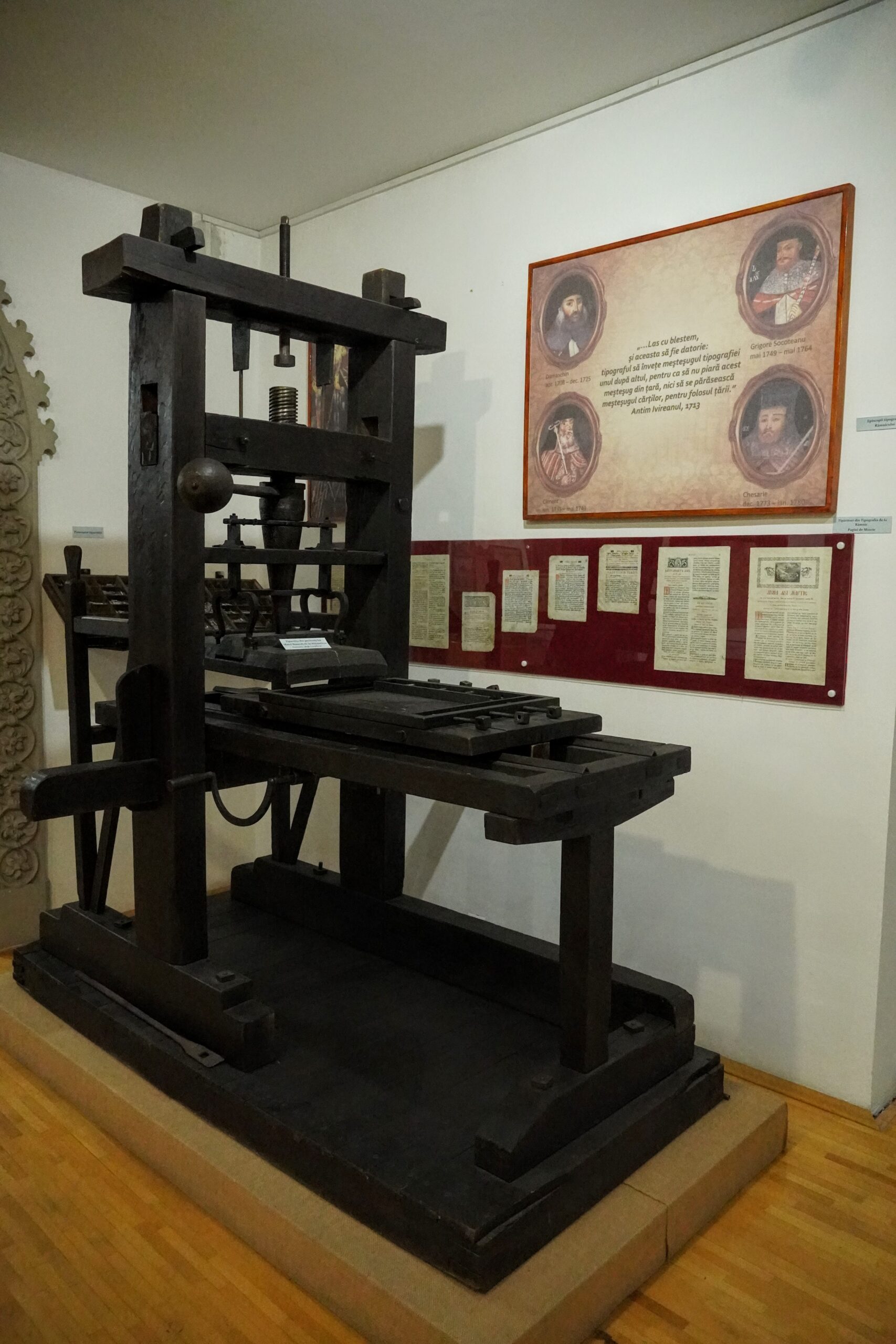
On the first floor, the medieval printing activity is represented by the printing press from Govora and religious books. The exhibition then presents objects related to significant military events in the country's subsequent history, from the 1821 revolution to World War II. Finally, the last two rooms are dedicated to Vâlcea's education and culture after 1900, as well as to numismatic collections, which include Dacian, Roman, medieval, and modern coins.
A project financed with the support of the General Secretariat of the Government through SDC.


 English
  Romanian