The tradition of salt in Vâlcea County dates back to ancient times, with archaeological evidence suggesting that the salt deposits in Ocnele Mari were known and used as early as the Dacian period. This continued under Roman occupation, when salt became an important form of currency, often referred to as "white gold." Salt was primarily used for preserving meat, and Roman soldiers were receiving salt as payment, which is where the word "salary" comes from, derived from the Latin "salarium," meaning "payment in salt."
This natural resource, extremely valuable at the time, became a crucial element of the local economy. Beyond its economic significance, salt also held symbolic and ritual importance, being seen as a sacred and essential element in daily life. During the Middle Ages, salt mining in Ocnele Mari expanded, and the salt extracted here was not only used locally but also exported, enhancing the region's economic influence.
In addition to its economic value, salt holds a special place in local culture and traditions, associated with purification, protection, and prosperity. In the past, people would sprinkle salt at the entrance of their homes to ward off evil spirits or use it in rituals to bless crops.
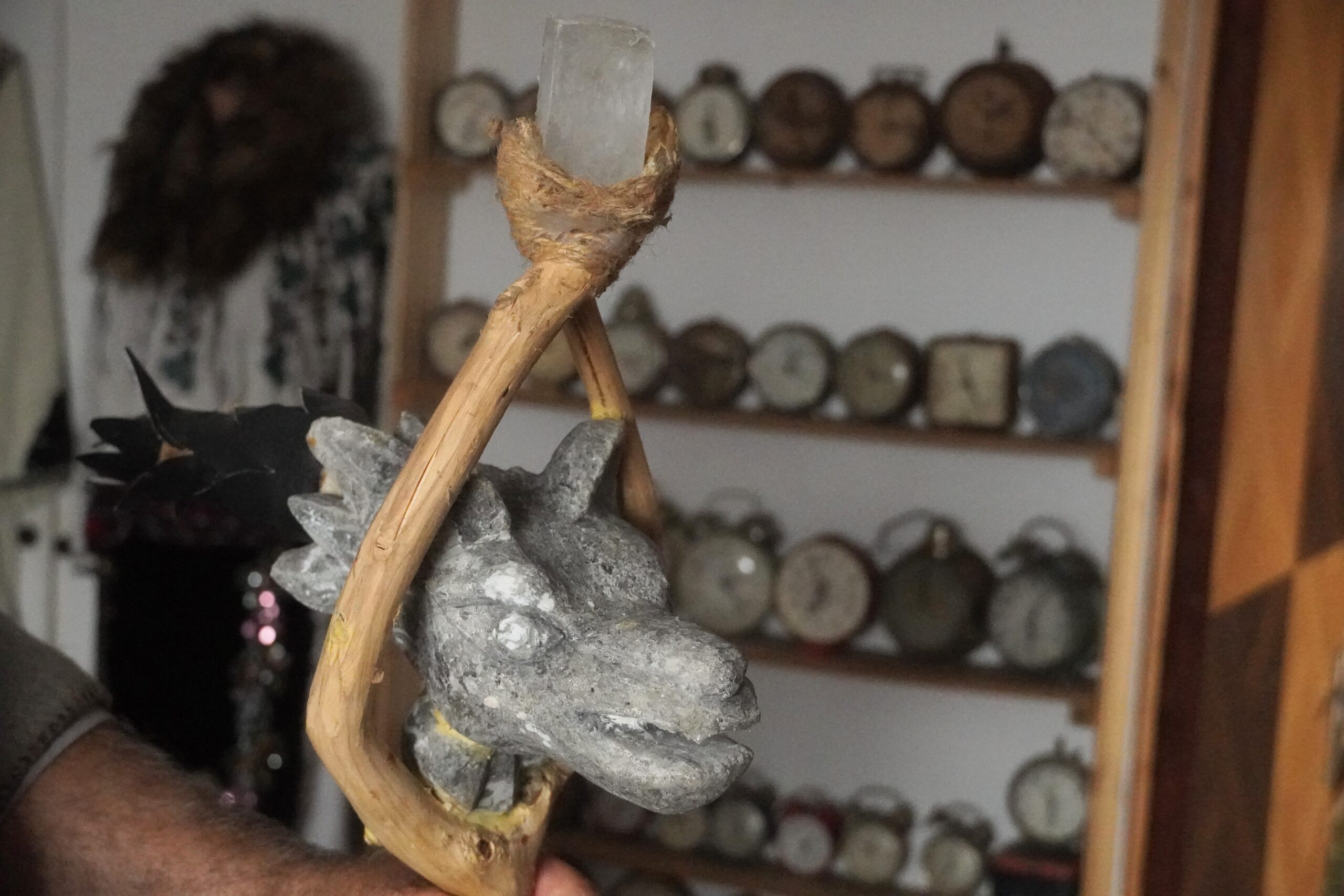
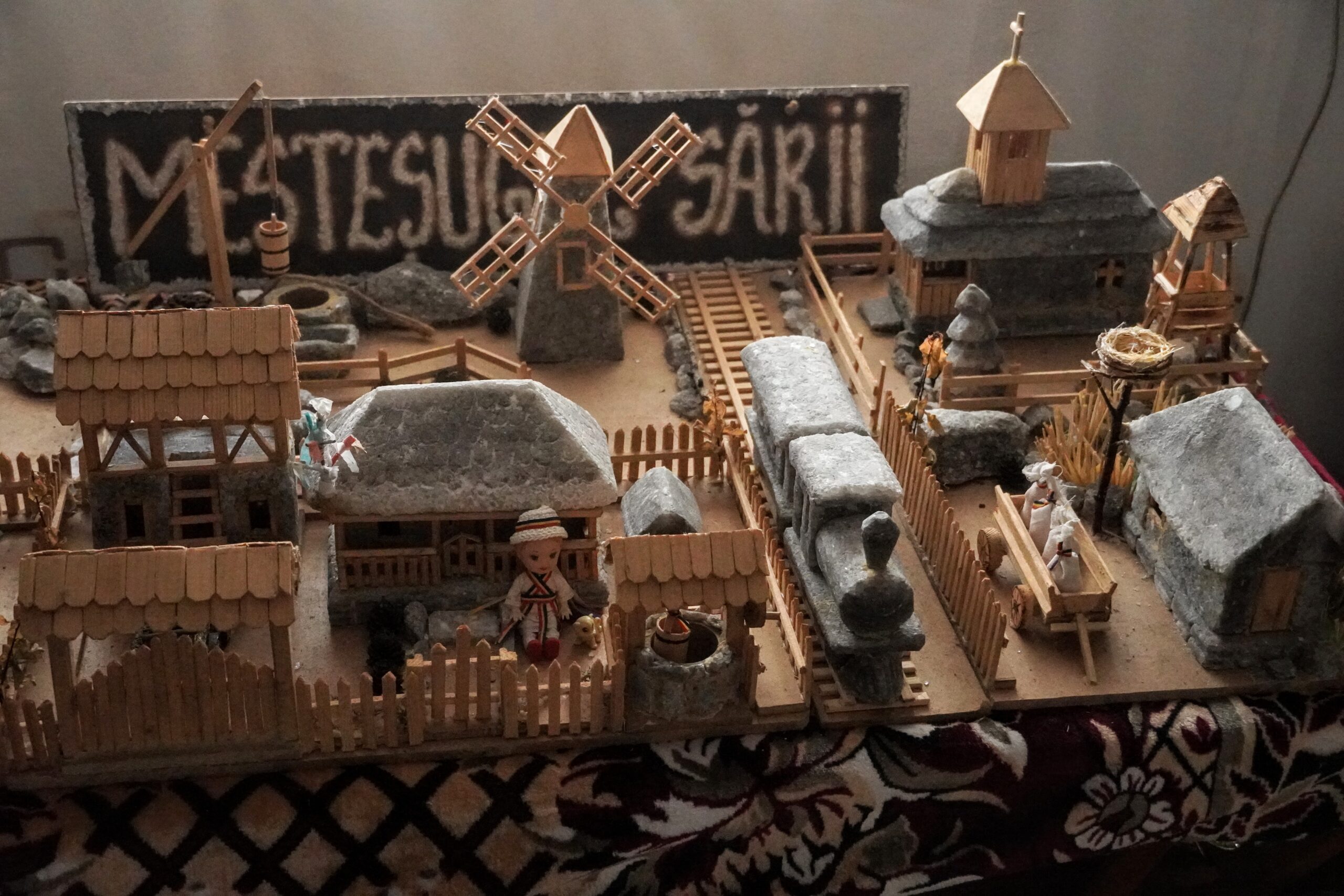
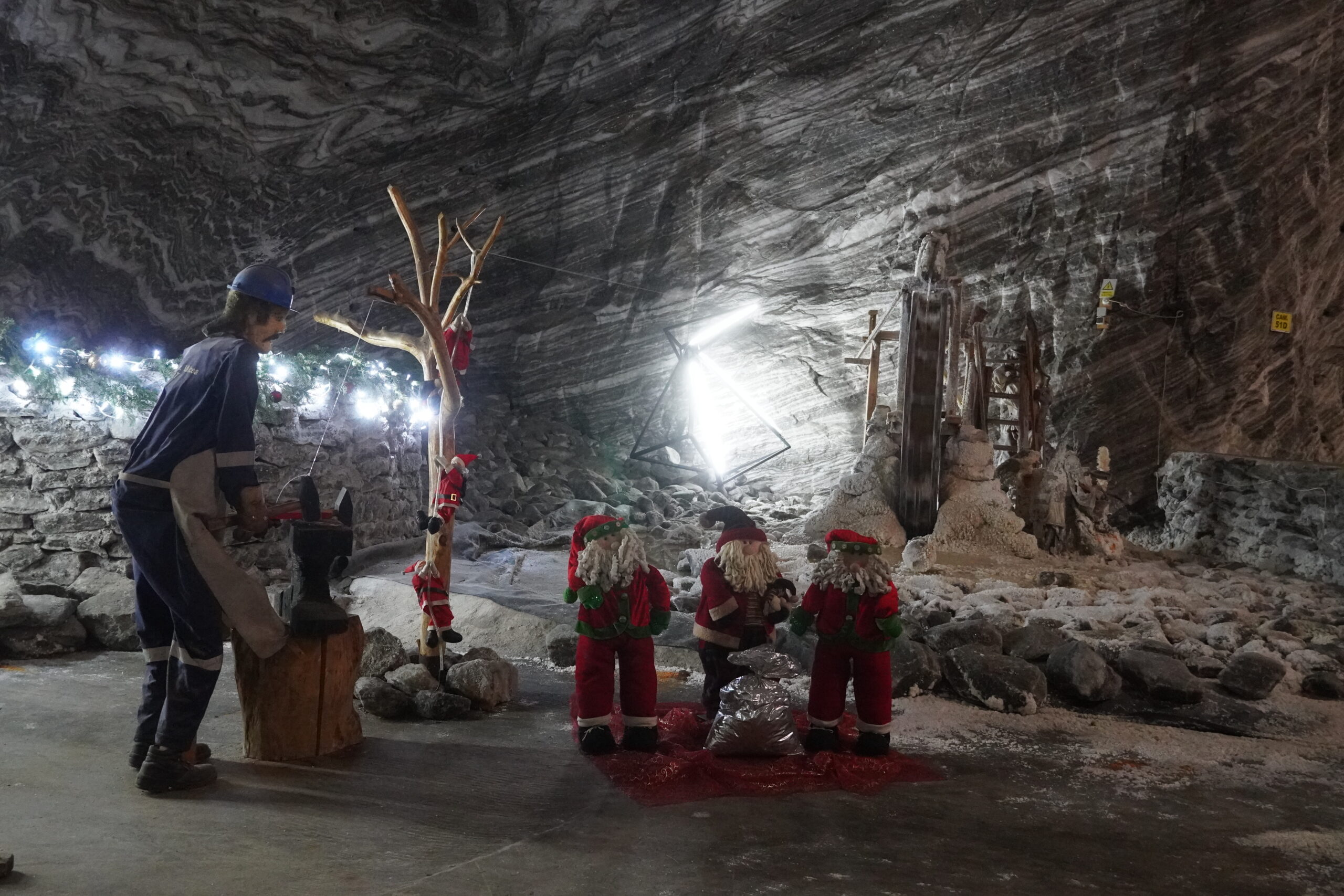
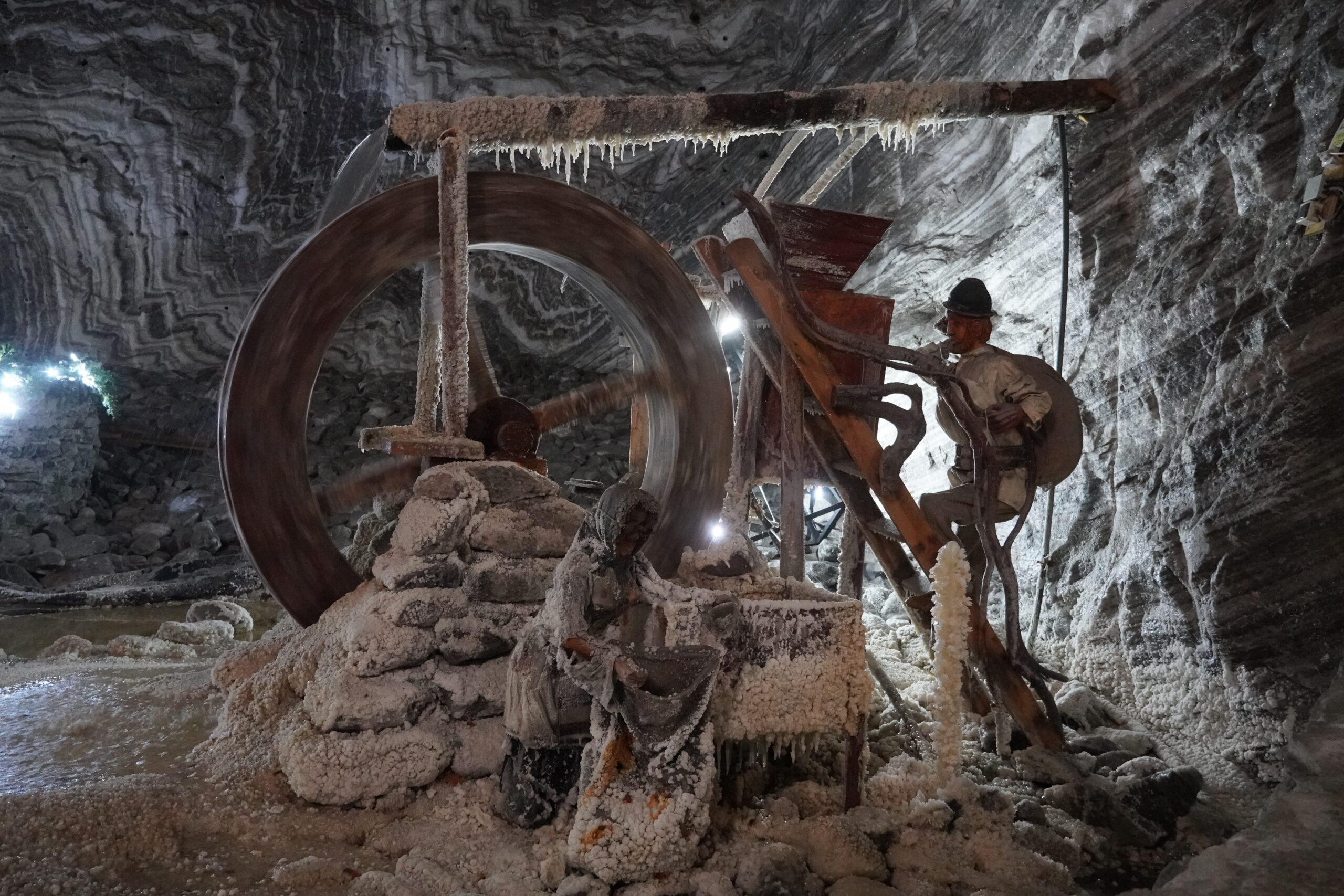
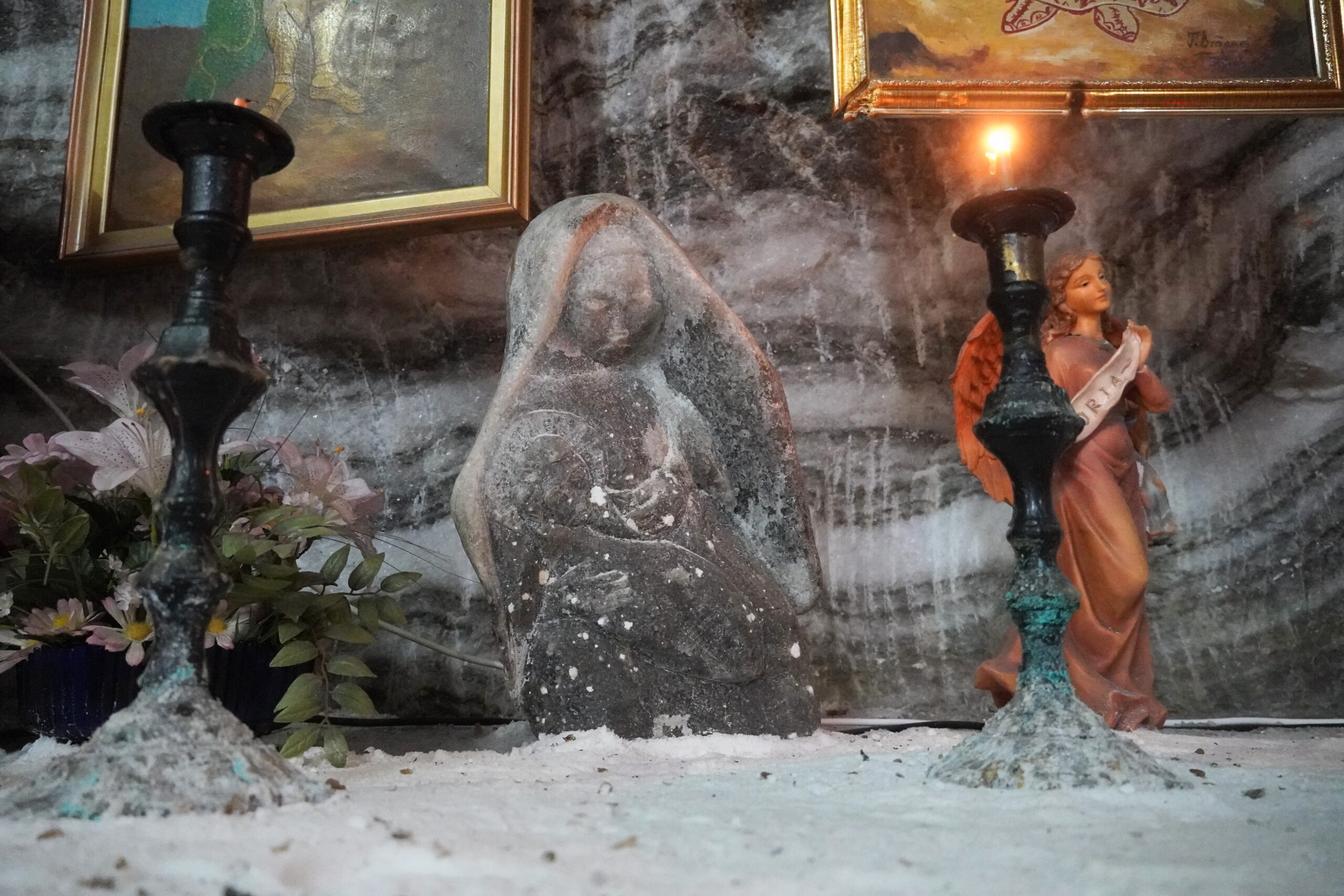
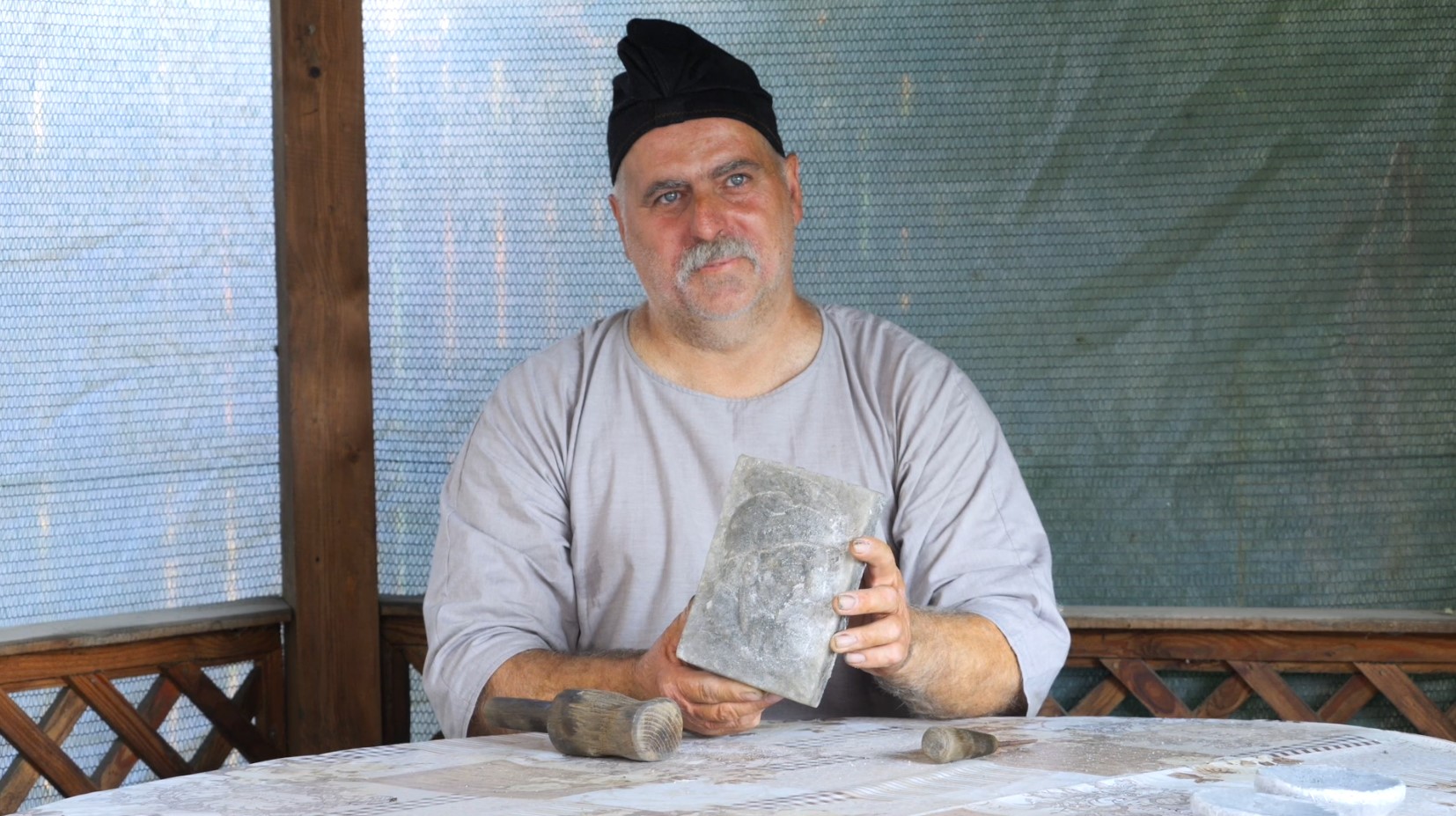
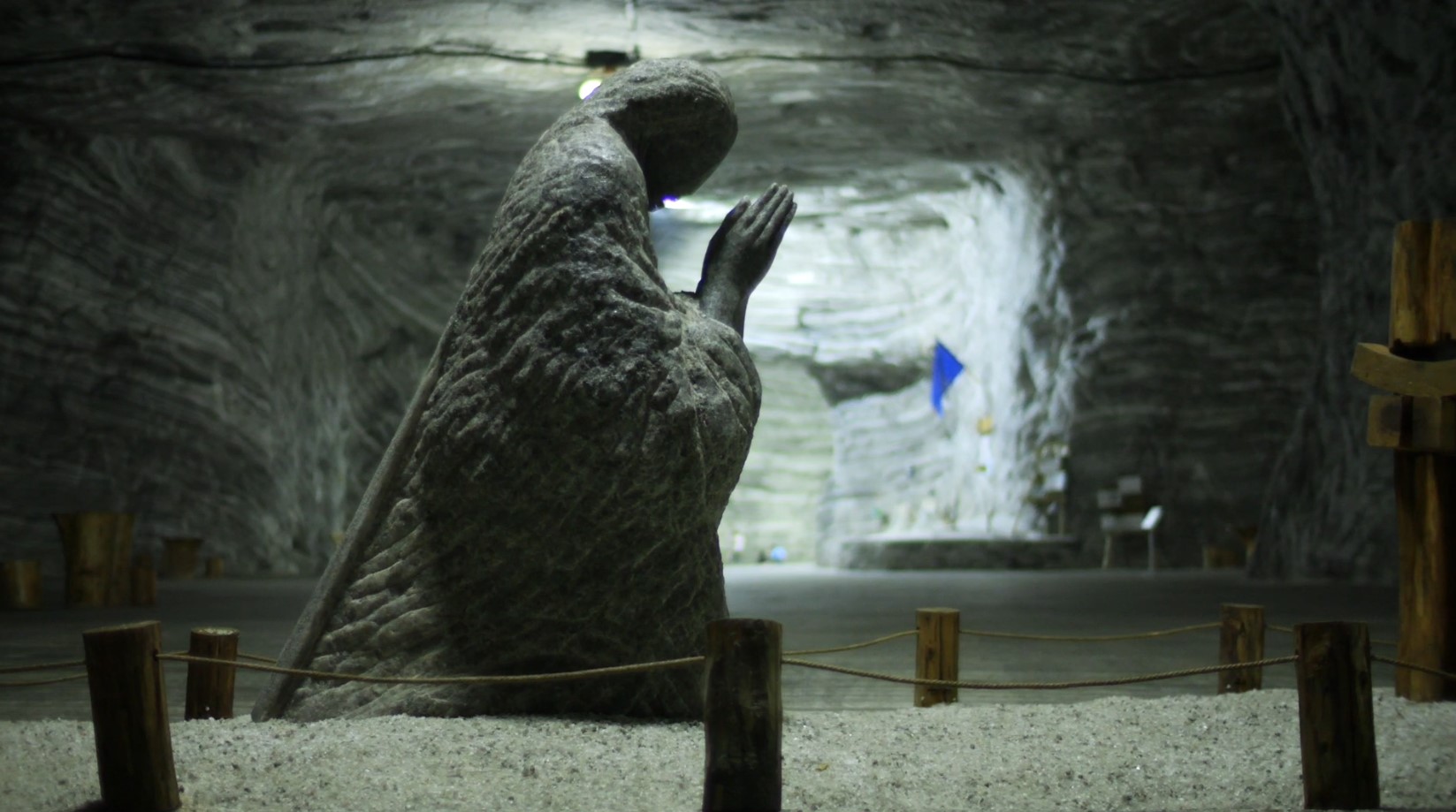
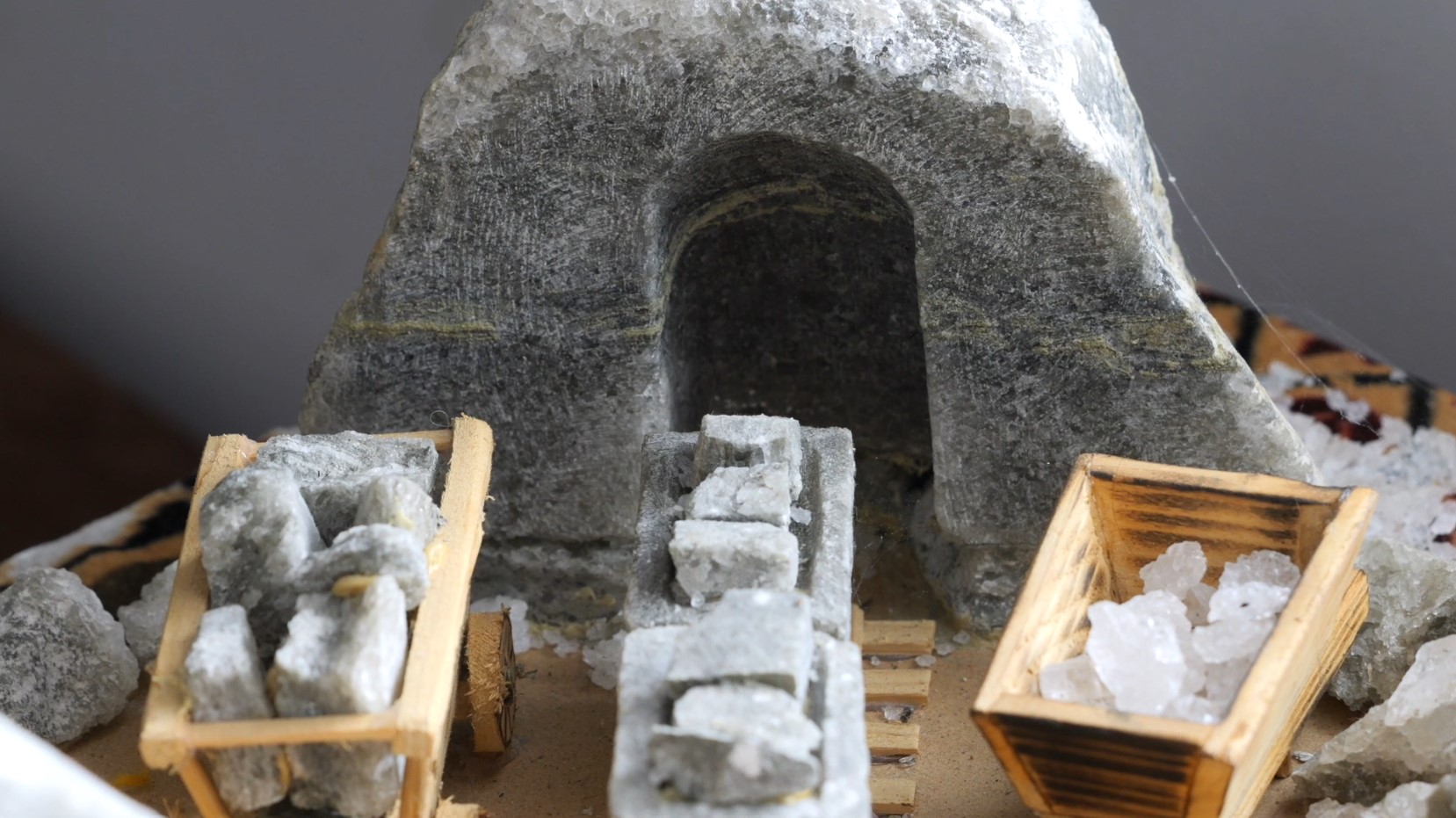
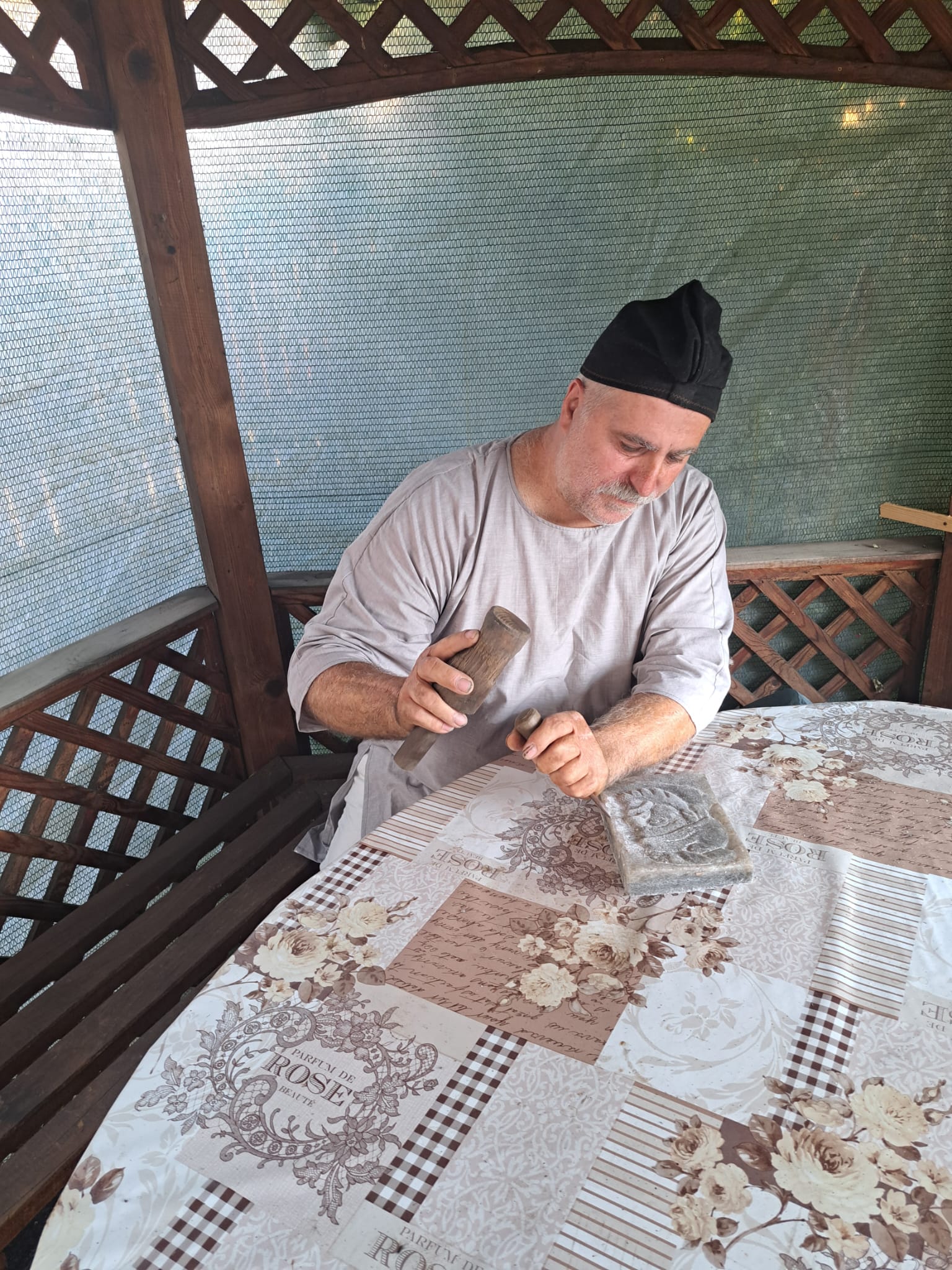
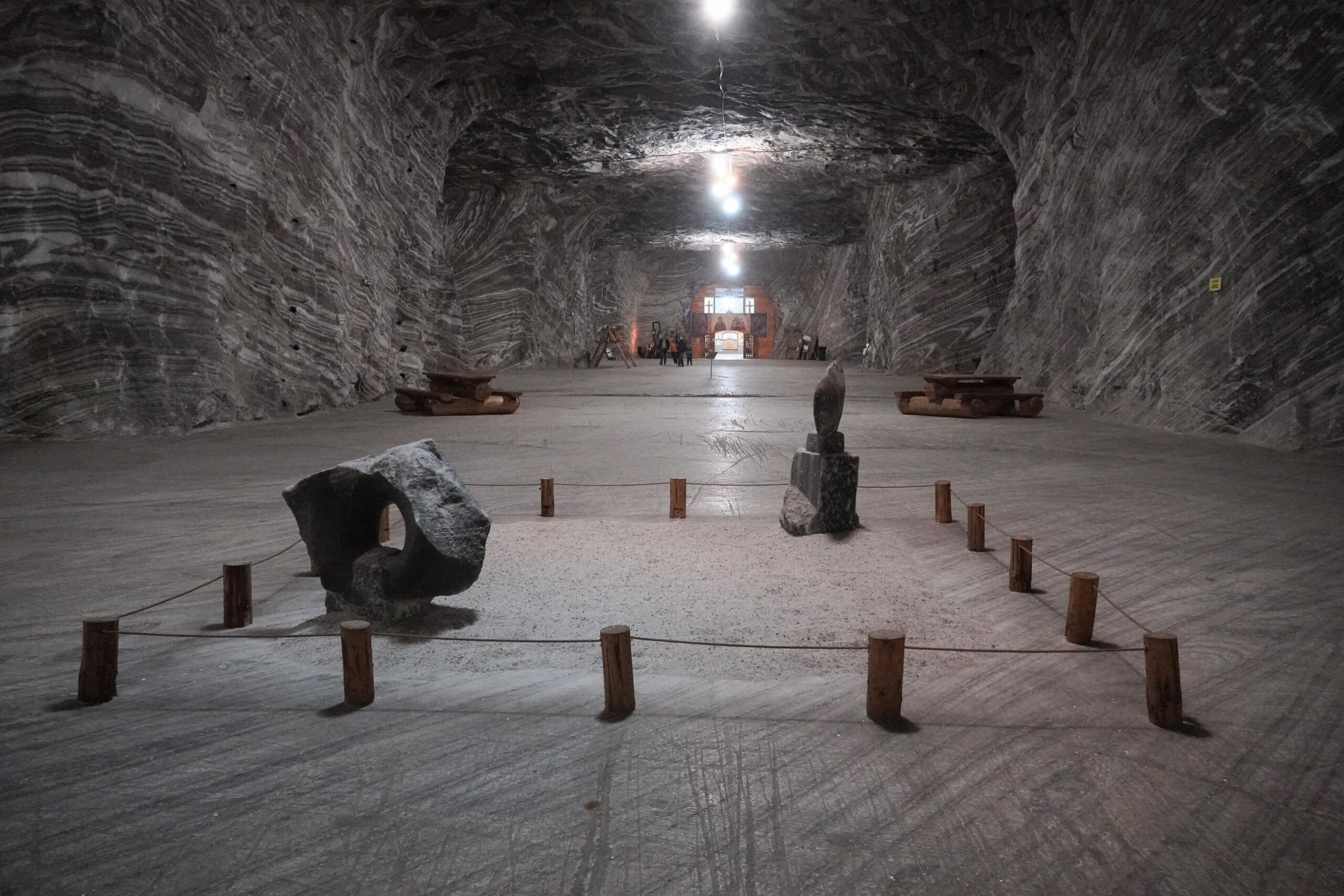
Today, the most iconic site related to the salt tradition in Vâlcea is the Ocnele Mari Salt Mine, one of the largest and oldest salt mines in the country. It is now more than just a salt extraction center; it is also a major tourist and health destination. The mine is set up for visitors, offering access to impressive underground galleries where the layers of salt that have been mined over the centuries can be observed. There are also various salt sculptures showcasing the skill of local artisans, and visitors can enjoy the therapeutic benefits of salt aerosols.
A project financed with the support of the General Secretariat of the Government through SDC.


 English
  Romanian